The Drum · Weekly AI news, freeSubscribe →

Share
π0.5 offers robots the ability to learn and adapt in unpredictable environments, bridging the gap between lab perfection and real-world messiness, thanks to advanced vision-language-action integration.
Robots have made significant strides in recent years, performing tasks ranging from acrobatic stunts to complex chores like folding laundry and cleaning tables. However, the true challenge lies in achieving robust generalization-the ability to adapt to new environments and objects. This is where π0.5 comes in, a vision-language-action (VLA) model developed by Physical Intelligence that aims to bridge this gap.
π0.5 introduces several key advancements in robotic generalization:
For robotics practitioners, π0.5 represents a significant leap forward in creating robots that can operate effectively in uncontrolled environments. Here’s a breakdown of the technical details:
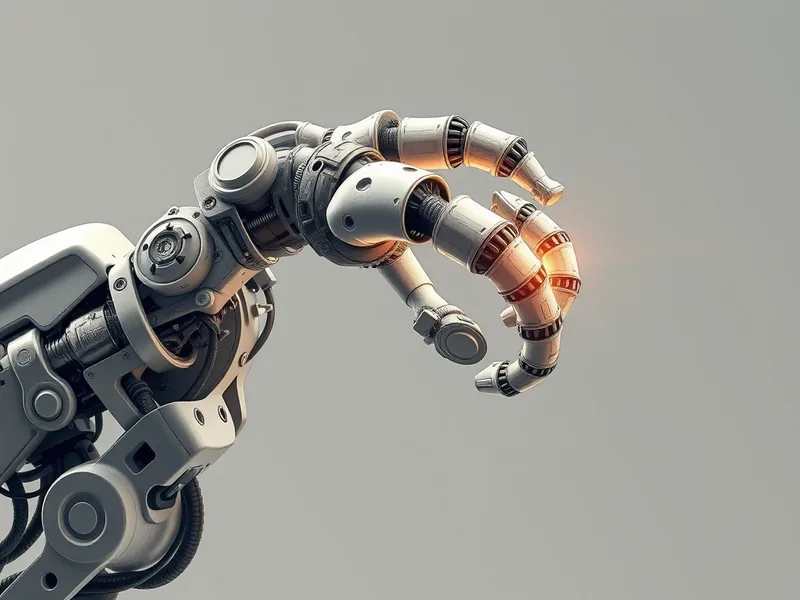
Architecture:
Training Data:
Benchmarks:
While π0.5 marks a significant step forward, there are still challenges to overcome:
π0.5 represents a promising step toward creating robots that can truly generalize across different settings and tasks. By addressing the challenges of physical, visual, and semantic generalization, this VLA model paves the way for more versatile and capable robotic systems in everyday life.
Tags
Original Sources
About the author
Kai built ML infrastructure at a Bay Area startup before developing an obsession with transformer architectures and inference optimisation that eventually pulled him out of product work entirely. A stint at a compute research lab sharpened his instinct for what actually matters in a model release versus what is marketing. He writes from the inside — from the perspective of someone who has debugged the systems he is describing at three in the morning. He is allergic to hype and instinctively drawn to the unglamorous plumbing questions that everyone else skips over.
More from The Engineer →This Week's Edition
23 April 2025
29 articles
Related Articles
Related Articles
More Stories
© 2026 Cedar & Bloom. All rights reserved.