The Drum · Weekly AI news, freeSubscribe →
Share
As artificial intelligence continues to reshape creative industries, a new market is emerging for AI-generated art. Investors are taking notice, but the risks and rewards remain complex.
The world of fine art has long been associated with human creativity, emotion, and skill. However, the rise of artificial intelligence (AI) is challenging these traditional notions by introducing machine-generated art into the market. This shift not only questions what constitutes art but also opens up new investment opportunities and challenges for collectors and investors alike.
According to a report from IEEE Xplore, a trusted digital library that provides access to high-quality research documents, AI-generated art has gained significant traction over the past few years. The IEEE Xplore Digital Library offers over two million documents, including research articles, standards, transactions, and conference publications, which highlight the technological advancements driving this new market.
The value of AI-generated art is influenced by several factors, including the underlying technology, the artist's reputation, and the uniqueness of each piece. For instance, a 2018 auction at Christie's saw an AI-created portrait sell for $432,500, far exceeding pre-auction estimates. This event marked a significant milestone in the recognition of AI art as a legitimate investment asset.
However, valuing AI-generated art remains complex. Traditional valuation methods often rely on provenance, historical significance, and the artist's track record-factors that are less straightforward when applied to machine-created works. As a result, investors must consider new metrics, such as the sophistication of the AI algorithms used, the novelty of the artwork, and its potential for future appreciation.
The IEEE Xplore report also highlights the role of blockchain technology in enhancing transparency and provenance in the AI art market. Blockchain can provide a secure, immutable record of ownership and transaction history, which is crucial for building trust among buyers and sellers. This technological foundation may help stabilize the market and reduce the risk of fraud.
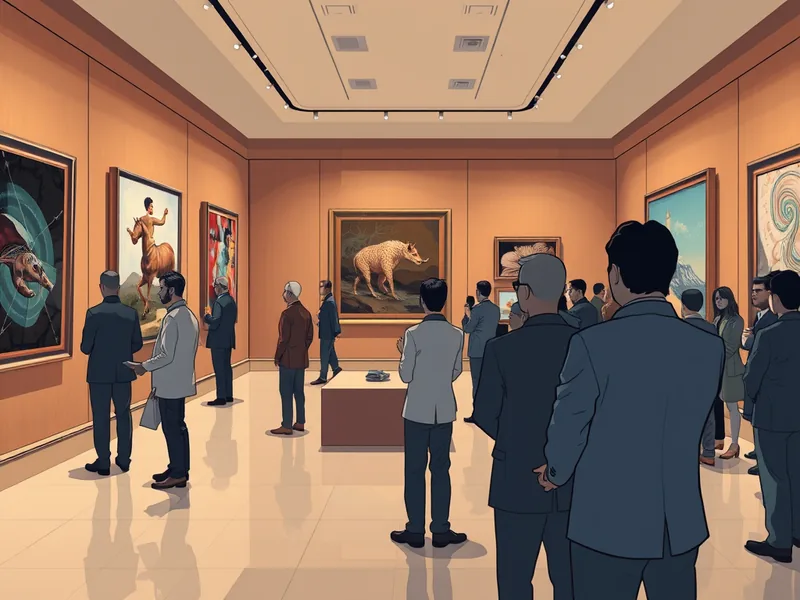
For investors, the AI art market presents both opportunities and risks. On one hand, early adoption of this emerging asset class could yield significant returns as more collectors and institutions recognize the value of AI-generated works. The potential for high appreciation is evident from the Christie's auction and other notable sales in recent years.
On the other hand, the volatility and lack of established valuation standards make AI art a speculative investment. Investors must be prepared for price fluctuations and the possibility of losing their initial capital. The market is still relatively small and fragmented, which can limit liquidity and exit options.
Despite these challenges, the growing interest in AI-generated art suggests that it will continue to gain traction. As more artists and tech companies explore the intersection of creativity and technology, the market is likely to expand, offering new opportunities for investment and collecting.
For those considering entering this market, due diligence is essential. Investors should research the technical aspects of the AI algorithms used, evaluate the reputation of the creators or platforms involved, and stay informed about legal and regulatory developments that could impact the market.
While the AI art market holds promise, it also requires a nuanced understanding of both technological advancements and investment principles. As with any emerging asset class, careful analysis and strategic planning will be key to navigating this exciting new frontier in fine art investing.
Tags
Original Sources
There's a Market for AI Art. It's Complicated.
↗ https://spectrum.ieee.org/ai-art-market
About the author
Marcus began tracking AI's market implications in 2016, noticing AI-related patent filings accelerating ahead of earnings upgrades before most of the sell-side had caught on. A former fixed-income quantitative analyst, he spent two decades building models that priced risk across emerging markets before pivoting to cover the economic impact of AI full-time. His writing translates opaque technical developments into clear risk/reward terms — and he's rarely diplomatic about the gap between AI valuations and underlying fundamentals. He believes most market participants still underestimate AI's long-run deflationary effect on knowledge work.
More from The Analyst →This Week's Edition
13 July 2026
34 articles
Related Articles

Vitalize Raises $31M Series A to Automate Hospital Labor Management
Finance & Markets · 5 min
GlobalFoundries Lands $2 Billion TSMC Deal to Build AI Chip Interposers in New York
Finance & Markets · 5 min
Healthleap Raises $38M to Scale AI-Driven Diagnostic Screening Beyond Malnutrition
Finance & Markets · 5 min
Related Articles
Vitalize Raises $31M Series A to Automate Hospital Labor Management
Finance & Markets · 5 min
GlobalFoundries Lands $2 Billion TSMC Deal to Build AI Chip Interposers in New York
Finance & Markets · 5 min
Healthleap Raises $38M to Scale AI-Driven Diagnostic Screening Beyond Malnutrition
Finance & Markets · 5 min
More Stories
© 2026 Cedar & Bloom. All rights reserved.
