The Drum · Weekly AI news, freeSubscribe →

Share
As companies like Anthropic seek alternatives to Nvidia's dominant AI chip ecosystem, hiring trends and strategic partnerships signal a shift towards diversification, driven by concerns over lead times, costs, and risk concentration.
Nvidia's dominance in the AI chip market is facing new challenges as companies like Anthropic explore alternative hardware solutions. Early signals from hiring trends and strategic partnerships indicate a shift towards a more diversified compute landscape, driven by factors such as lead times, cost, and concentration risk.
Nvidia has long been the go-to provider for AI chips, thanks to its robust software and hardware ecosystem. The key to its success is CUDA, a software platform and programming model that significantly reduces time to market and delivery risks. For many teams, switching from Nvidia means rewriting code, retraining staff, and revalidating models-tasks that come with substantial costs and uncertainties.
However, alternatives are catching up. For instance, AMD’s software has shown significant improvements since late 2024. Issues that once hindered deployments are becoming less frequent, and fixes are landing faster. While parity across all workloads is not yet universal, the gap in friction is narrowing.
Anthropic, a leading AI research company, is at the forefront of this diversification trend. The company is collaborating with Amazon to develop its Trainium AI chips and plans to use these chips for training its next Claude model. Additionally, Anthropic is expanding its use of Google’s TPU chips, reducing its reliance on Nvidia hardware.
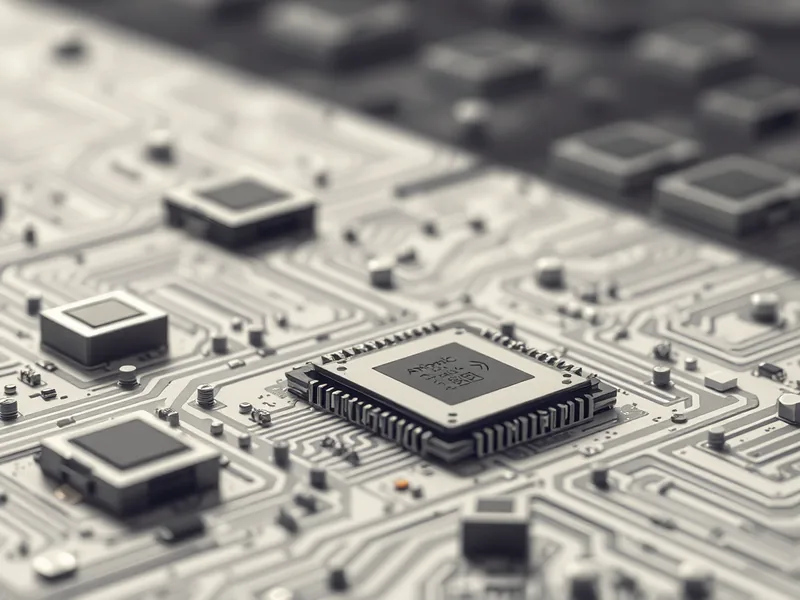
The shift towards a multi-chip market is evident in various signals:
While Nvidia’s ecosystem remains strong, the improving alternatives and increasing pressure to diversify are reshaping the AI chip market. Companies like Anthropic are leading this charge, demonstrating that it is possible to build robust AI solutions without being solely dependent on one vendor.
Tags
Original Sources
About the author
Kai built ML infrastructure at a Bay Area startup before developing an obsession with transformer architectures and inference optimisation that eventually pulled him out of product work entirely. A stint at a compute research lab sharpened his instinct for what actually matters in a model release versus what is marketing. He writes from the inside — from the perspective of someone who has debugged the systems he is describing at three in the morning. He is allergic to hype and instinctively drawn to the unglamorous plumbing questions that everyone else skips over.
More from The Engineer →This Week's Edition
19 November 2025
29 articles
Related Articles
Related Articles
More Stories
© 2026 Cedar & Bloom. All rights reserved.