The Drum · Weekly AI news, freeSubscribe →
Share
Scammers are exploiting AI technology to create convincing deepfakes of celebrities like Taylor Swift on TikTok, luring followers into sharing personal data for fake rewards programs and services.
In a concerning new trend, scammers are leveraging artificial intelligence (AI) to create deepfake videos of celebrities such as Taylor Swift and Rihanna, using them to promote fraudulent services on social media platforms like TikTok. According to Copyleaks, an authentication company, these deceptive ads not only impersonate well-known figures but also trick users into sharing personal information.
Imagine scrolling through your TikTok feed and coming across what looks like a genuine interview with Taylor Swift, where she enthusiastically invites you to join a rewards program. You might be tempted to click, especially if the ad seems official, complete with TikTok’s branding. However, these ads are far from legitimate. They lead users to third-party websites that request personal data, putting individuals at risk of identity theft and financial fraud.
The deepfake videos typically feature celebrities in familiar settings-red carpets, podcasts, or talk shows. Scammers use AI to manipulate real footage, making it appear as though the celebrity is endorsing a service. Many of these ads promote rewards programs that claim users can earn money by watching TikTok content and providing feedback. While the offers may seem appealing, they are designed to collect personal information, such as names, email addresses, and even financial details.
The use of deepfakes in scams poses several risks:
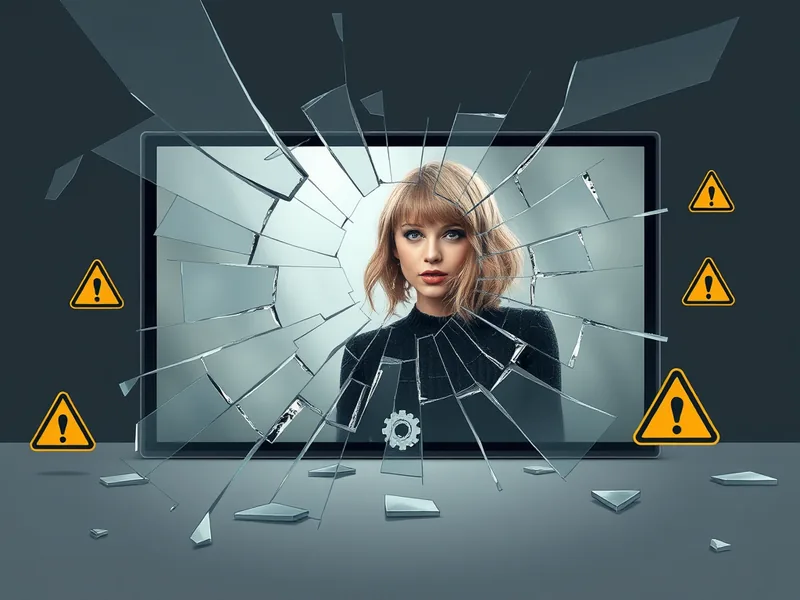
TikTok, like other social media platforms, faces a significant challenge in policing these deepfake ads. While the platform has policies against impersonation and fraud, the sheer volume of content makes it difficult to catch every scam. Copyleaks highlights that some of the fraudulent ads even include TikTok’s official branding, making them appear more credible.
To protect themselves, users should:
This trend is part of a larger issue where AI technologies are being misused for nefarious purposes. As deepfake technology becomes more accessible, it is likely that we will see an increase in such scams. This underscores the need for both users and platforms to remain vigilant and proactive in combating these threats.
While the allure of earning money through a celebrity-endorsed program might be tempting, it's crucial to approach such offers with skepticism. By staying informed and taking steps to verify sources, users can protect themselves from falling victim to these sophisticated scams.
Tags
Original Sources
About the author
Amara's entry point into AI was an epidemiology role at a London research hospital, where she spent five years studying how digital health tools reached — or conspicuously failed to reach — underserved communities. Watching early algorithmic systems in healthcare quietly entrench existing inequalities, she redirected her career toward the systemic consequences of AI at scale. She covers AI through an unflinching lens: who benefits, who bears the cost, and what evidence actually says versus what the press release claims. Her writing is calm and precise, but she doesn't mistake balance for neutrality.
More from The Steward →This Week's Edition
30 April 2026
29 articles
Related Articles
Seattle Children's Network Turns Data Trust Into Preventive Care Gains, With Lessons for Security Teams
Security & Risk · 6 min
Anthropic Gives Outside Safety Researchers the Same Access as Its Own Staff
Security & Risk · 5 min

Fitch Puts a Number on AI Risk: New Stress Test Flags Credit Exposure Across Four Sectors
Security & Risk · 5 min
Related Articles
Seattle Children's Network Turns Data Trust Into Preventive Care Gains, With Lessons for Security Teams
Security & Risk · 6 min
Anthropic Gives Outside Safety Researchers the Same Access as Its Own Staff
Security & Risk · 5 min
Fitch Puts a Number on AI Risk: New Stress Test Flags Credit Exposure Across Four Sectors
Security & Risk · 5 min
More Stories
© 2026 Cedar & Bloom. All rights reserved.
