The Drum · Weekly AI news, freeSubscribe →

Share
As artificial intelligence tools become more adept at uncovering security flaws, the Linux community faces a growing challenge in managing vulnerabilities that can be exploited within hours of discovery.
The rapid emergence of bugs like Dirty Frag, Copy Fail, and Fragnesia has brought a new level of urgency to the Linux security landscape. These vulnerabilities are not just isolated incidents; they represent a shift in how security flaws are discovered and exploited, thanks to the advent of AI-powered bug detection tools. The implications for users and companies alike are significant, raising questions about the future of Linux security and the strategies needed to stay ahead of potential threats.
These bugs share a common thread: they all abuse the page cache, a core kernel abstraction in Linux. This overlap is more than just a coincidence; it highlights how AI tools can efficiently identify and exploit vulnerabilities with minimal input. For example, Dirty Frag, Copy Fail, and Fragnesia were discovered and publicized within weeks of each other, a trend that suggests a new era of security challenges.
Igor Seletskiy, CEO of CloudLinux, emphasizes the shift in vulnerability frequency. "We typically see one or two kernel-level LPE (Linux privilege escalations) vulnerabilities affecting multiple distributions and versions per year," he says. "Now we're seeing two such vulnerabilities within a week. This trend is likely to continue for months, meaning companies might have to reboot servers weekly."
This rapid turnover of vulnerabilities is causing significant operational strain. Linus Torvalds, the creator of Linux, addressed this issue at the Open Source Summit North America in Minneapolis. He noted that until recently, the kernel community would quietly notify distributions about a bug and ask them to upgrade without detailing the vulnerability. "Most of the time, nobody would figure out what happened," he explained.
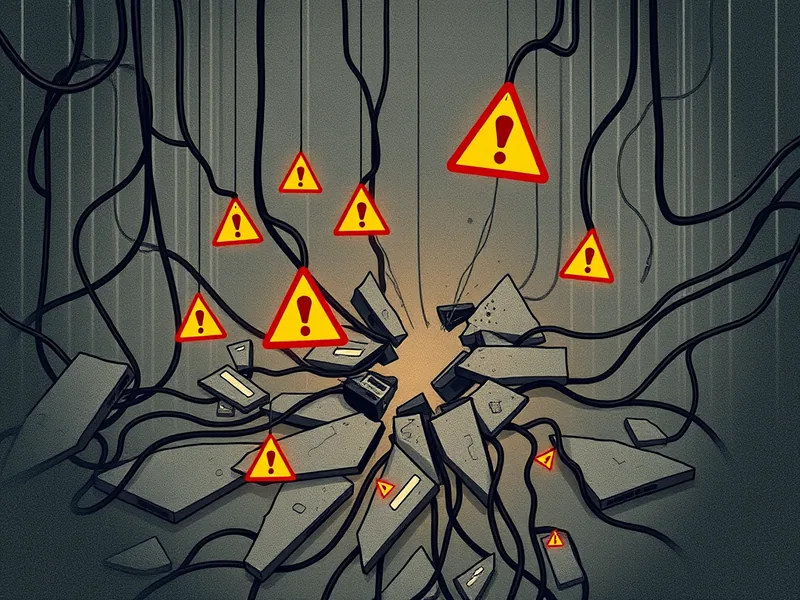
However, with AI-accelerated analysis, the landscape has changed dramatically. Torvalds recalled an incident where a bug was fixed, and within three hours, there was a detailed blog post about its implications. "Security people love getting attention," he added, highlighting how quickly information can spread in the digital age.
To address this new reality, Torvalds has proposed changes to how the Linux security community handles AI-discovered vulnerabilities. He argues that treating these bugs as secrets is no longer feasible or effective. "AI-detected bugs are pretty much by definition not secret," he stated. "Treating them on a private list is a waste of time for everyone involved and only makes things worse."
The shift toward transparency is crucial. By openly discussing vulnerabilities, the community can work more effectively to develop patches and mitigate risks. However, this approach also means that users and companies must be prepared for a faster pace of security updates and potential disruptions.
For organizations relying on Linux, the key will be maintaining robust security practices, including regular updates, monitoring, and incident response plans. The rise of AI in bug detection is not just a technical challenge; it's a call to action for all stakeholders to stay vigilant and adaptable in an ever-evolving threat landscape.
Tags
Original Sources
AI eyes scanning for bugs create a worrisome Linux security trend
↗ https://www.theregister.com/security/2026/05/23/ai-eyes-scanning-for-bugs-create-a-worrisome-linux-security-trend/5244742
About the author
Amara's entry point into AI was an epidemiology role at a London research hospital, where she spent five years studying how digital health tools reached — or conspicuously failed to reach — underserved communities. Watching early algorithmic systems in healthcare quietly entrench existing inequalities, she redirected her career toward the systemic consequences of AI at scale. She covers AI through an unflinching lens: who benefits, who bears the cost, and what evidence actually says versus what the press release claims. Her writing is calm and precise, but she doesn't mistake balance for neutrality.
More from The Steward →This Week's Edition
3 June 2026
29 articles
Related Articles

Seattle Children's Network Turns Data Trust Into Preventive Care Gains, With Lessons for Security Teams
Security & Risk · 6 min

Anthropic Gives Outside Safety Researchers the Same Access as Its Own Staff
Security & Risk · 5 min

Fitch Puts a Number on AI Risk: New Stress Test Flags Credit Exposure Across Four Sectors
Security & Risk · 5 min
Related Articles
Seattle Children's Network Turns Data Trust Into Preventive Care Gains, With Lessons for Security Teams
Security & Risk · 6 min
Anthropic Gives Outside Safety Researchers the Same Access as Its Own Staff
Security & Risk · 5 min
Fitch Puts a Number on AI Risk: New Stress Test Flags Credit Exposure Across Four Sectors
Security & Risk · 5 min
More Stories
© 2026 Cedar & Bloom. All rights reserved.
