The Drum · Weekly AI news, freeSubscribe →

Share
Anthropic is navigating the complexities of a record-breaking IPO as it battles OpenAI for dominance in the AI landscape, with high-stakes decisions ahead on valuation and timing.
Anthropic, the AI startup behind the popular Claude chatbot, is reportedly preparing for a significant initial public offering (IPO) that could value the company at over $300 billion. According to the Financial Times, Anthropic has engaged law firm Wilson Sonsini Goodrich & Rosati and major investment banks as it considers going public, potentially in a race with rival OpenAI.
The potential IPO of Anthropic would be one of the largest ever for an AI company, reflecting the massive valuations and investor interest in the sector. The move could also test market sentiment towards high-burn AI startups, which have faced growing concerns over sustainability and profitability. As the AI industry continues to evolve, the success or failure of these IPOs will have significant implications for both investors and the broader tech ecosystem.
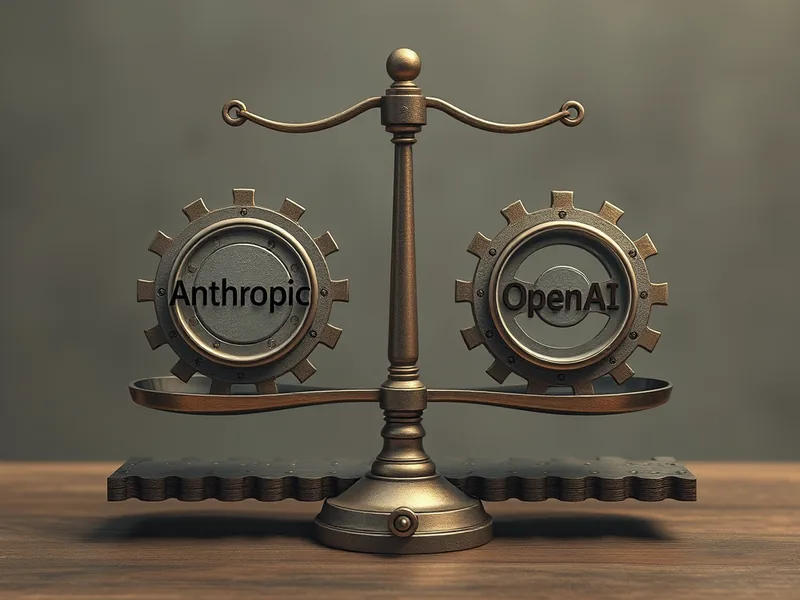
Anthropic, led by CEO Dario Amodei, is currently exploring both private funding and an IPO. The company has engaged Wilson Sonsini Goodrich & Rosati, a law firm known for its work on high-profile tech IPOs such as Google, LinkedIn, and Lyft. Additionally, Anthropic is in preliminary discussions with major investment banks to gauge interest and prepare for a potential public listing.
In response to the reports, an Anthropic spokesperson stated that it is standard practice for companies at their scale to operate as if they are publicly traded. The spokesperson added that no final decisions have been made regarding the timing or whether to go public.
The potential IPO of Anthropic represents a significant milestone in the AI industry, with implications for market dynamics and investor sentiment. As the company continues to explore its options, the success of its public listing will be closely watched by investors and analysts alike.
Tags
Original Sources
About the author
Marcus began tracking AI's market implications in 2016, noticing AI-related patent filings accelerating ahead of earnings upgrades before most of the sell-side had caught on. A former fixed-income quantitative analyst, he spent two decades building models that priced risk across emerging markets before pivoting to cover the economic impact of AI full-time. His writing translates opaque technical developments into clear risk/reward terms — and he's rarely diplomatic about the gap between AI valuations and underlying fundamentals. He believes most market participants still underestimate AI's long-run deflationary effect on knowledge work.
More from The Analyst →This Week's Edition
3 December 2025
29 articles
Related Articles
Related Articles
More Stories
© 2026 Cedar & Bloom. All rights reserved.