The Drum · Weekly AI news, freeSubscribe →

Share
As Anthropic's value rockets to nearly $300 billion, the once vast gap with OpenAI narrows, underscoring the lightning-fast growth and fierce competition in the AI landscape.
In a striking development for the artificial intelligence (AI) industry, Anthropic, a leading AI research lab, is on track to be valued at approximately $300 billion. This significant milestone comes just two years after OpenAI's board approached Dario Amodei to take over as CEO following Sam Altman’s departure. At that time, Anthropic was valued at $18 billion, while OpenAI commanded a valuation of $86 billion.
The rapid ascent of Anthropic highlights the dynamic and competitive nature of the AI sector. The gap in valuations between these two prominent players is closing rapidly, reflecting investor confidence in Anthropic's technology and leadership. This shift underscores the importance of strategic decisions and market timing in a field that is evolving at breakneck speed.
Despite its impressive valuation, Anthropic faces several significant risks:
The surge in Anthropic's valuation presents several opportunities:
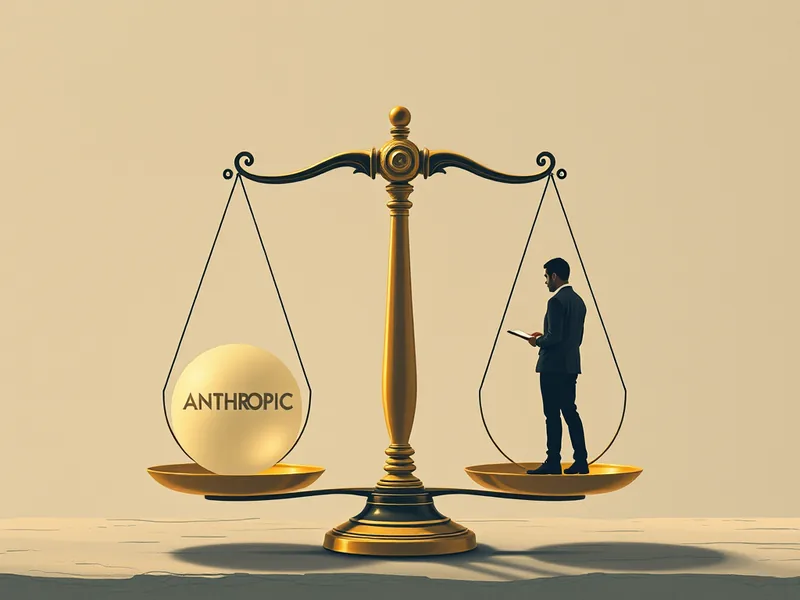
The leadership change at OpenAI, where Dario Amodei was approached to take over as CEO after Sam Altman’s departure, is a critical factor in this narrative. The decision by OpenAI's board to bring in new leadership reflects a strategic shift aimed at addressing internal and external challenges. While the exact reasons for this move are not publicly detailed, it suggests a recognition of the need for fresh perspectives and potentially different approaches to management and innovation.
The rapid valuation growth of Anthropic has broader implications for the AI market:
The rapid valuation growth of Anthropic is a testament to the potential and promise of AI technologies. As the company continues to innovate and navigate the challenges ahead, it will be crucial for stakeholders to monitor its progress and the broader implications for the AI industry.
Tags
Original Sources
About the author
Marcus began tracking AI's market implications in 2016, noticing AI-related patent filings accelerating ahead of earnings upgrades before most of the sell-side had caught on. A former fixed-income quantitative analyst, he spent two decades building models that priced risk across emerging markets before pivoting to cover the economic impact of AI full-time. His writing translates opaque technical developments into clear risk/reward terms — and he's rarely diplomatic about the gap between AI valuations and underlying fundamentals. He believes most market participants still underestimate AI's long-run deflationary effect on knowledge work.
More from The Analyst →This Week's Edition
3 November 2025
29 articles
Related Articles
Related Articles
More Stories
© 2026 Cedar & Bloom. All rights reserved.