The Drum · Weekly AI news, freeSubscribe →

Share
Apple scraps its decade-old autonomous electric car project, Titan, redirecting resources to AI initiatives and raising questions about the tech giant’s future in the automotive sector.
Apple has officially terminated its long-standing "Project Titan," a decade-long initiative aimed at developing an autonomous electric car, according to a report by Bloomberg. The company made the internal announcement on Tuesday, signaling a significant shift in strategic focus. Key personnel from the 2,000-person team behind Project Titan will be redirected to generative AI projects, with some positions facing potential layoffs.
The discontinuation of Project Titan marks a pivotal moment for Apple's expansion into the automotive industry. Since its inception, Project Titan has been shrouded in secrecy and speculation, often viewed as a direct challenge to Tesla's dominance in the electric vehicle (EV) market. The project's termination highlights the challenges and risks associated with entering highly competitive and capital-intensive sectors.
Apple's decision also underscores the company's commitment to diversifying its technological portfolio. By reallocating resources to generative AI, Apple is aligning itself with one of the most rapidly evolving areas in tech, where significant advancements could yield substantial long-term benefits.
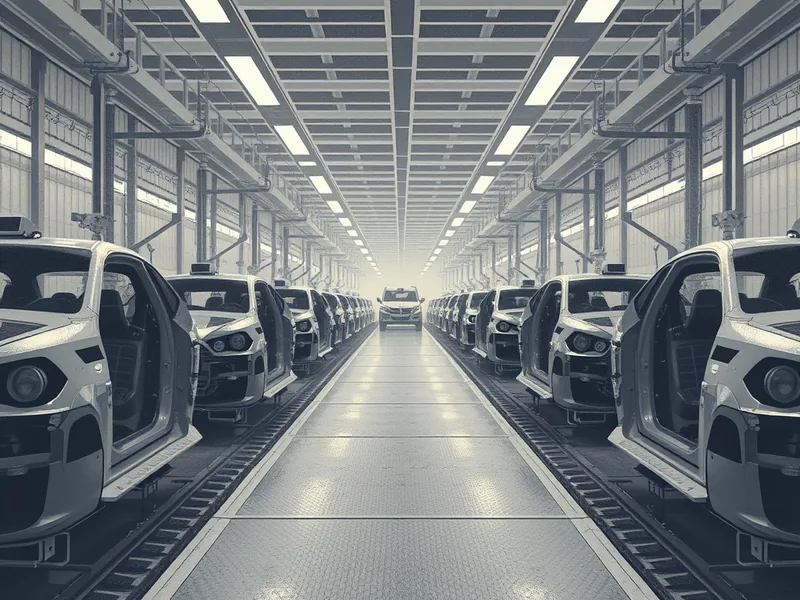
Apple's decision to terminate Project Titan reflects a strategic realignment towards more immediate and potentially high-impact areas of technological development. The move underscores the company's commitment to innovation and adaptability, even in the face of significant challenges. As Apple redirects its resources to generative AI, it will be crucial to manage the transition effectively to maximize long-term benefits.
Tags
Original Sources
About the author
Marcus began tracking AI's market implications in 2016, noticing AI-related patent filings accelerating ahead of earnings upgrades before most of the sell-side had caught on. A former fixed-income quantitative analyst, he spent two decades building models that priced risk across emerging markets before pivoting to cover the economic impact of AI full-time. His writing translates opaque technical developments into clear risk/reward terms — and he's rarely diplomatic about the gap between AI valuations and underlying fundamentals. He believes most market participants still underestimate AI's long-run deflationary effect on knowledge work.
More from The Analyst →This Week's Edition
28 February 2024
29 articles
Related Articles
Related Articles
More Stories
© 2026 Cedar & Bloom. All rights reserved.