The Drum · Weekly AI news, freeSubscribe →

Share
ASML's massive investment in Mistral AI marks a bold step towards European tech independence, positioning the company as a leader in the global AI race and challenging U.S. And Chinese dominance in the sector.
NEW YORK, Sept 7 - Dutch semiconductor equipment giant ASML is set to become the top shareholder of French artificial intelligence (AI) startup Mistral AI following a significant investment in the company’s latest funding round. This strategic move underscores ASML's commitment to bolstering European tech sovereignty and aligns with broader efforts to reduce dependency on U.S. and Chinese AI technologies.
ASML has committed 1.3 billion euros ($1.5 billion) to Mistral’s 1.7 billion euro (~$2 billion) Series C funding round, according to sources familiar with the matter. This investment not only solidifies ASML's position as Mistral's largest shareholder but also grants it a seat on Mistral's board. The deal values Mistral at a pre-money valuation of 10 billion euros ($11.7 billion), making it Europe’s most valuable AI company.
Mistral, often hailed as France's and Europe's leading AI champion, competes directly with U.S. giants like OpenAI and Alphabet's Google. The partnership between ASML and Mistral represents a strategic alliance that could significantly enhance the capabilities of both companies. For ASML, this investment aligns with its broader mission to advance European technological independence by leveraging cutting-edge AI.
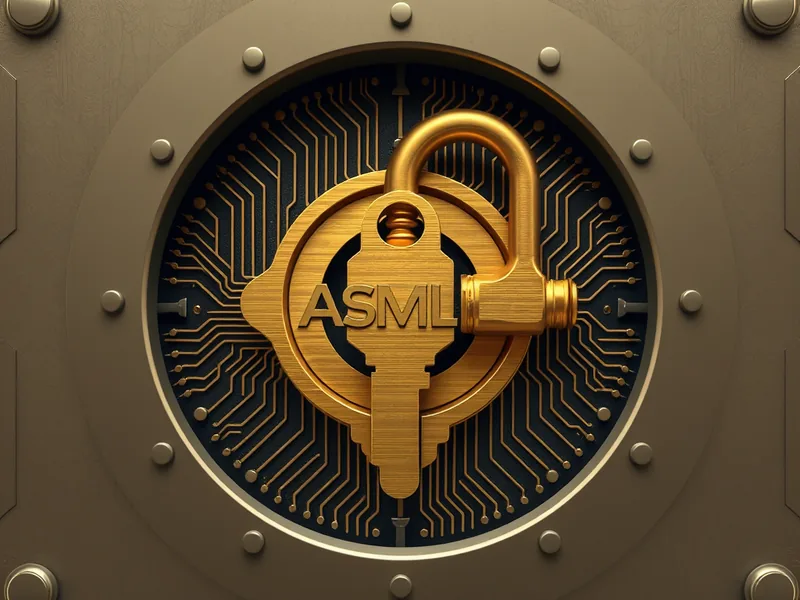
ASML's investment in Mistral AI marks a significant milestone in the European tech landscape. By combining ASML’s expertise in semiconductor equipment with Mistral’s advanced AI capabilities, this partnership aims to drive innovation and foster greater technological independence for Europe. As both companies navigate the competitive global market, their success could have far-reaching implications for the region's tech sector.
Tags
Original Sources
About the author
Marcus began tracking AI's market implications in 2016, noticing AI-related patent filings accelerating ahead of earnings upgrades before most of the sell-side had caught on. A former fixed-income quantitative analyst, he spent two decades building models that priced risk across emerging markets before pivoting to cover the economic impact of AI full-time. His writing translates opaque technical developments into clear risk/reward terms — and he's rarely diplomatic about the gap between AI valuations and underlying fundamentals. He believes most market participants still underestimate AI's long-run deflationary effect on knowledge work.
More from The Analyst →This Week's Edition
8 September 2025
29 articles
Related Articles
Related Articles
More Stories
© 2026 Cedar & Bloom. All rights reserved.