The Drum · Weekly AI news, freeSubscribe →

Share
As healthcare increasingly relies on artificial intelligence, the physical devices that interact with patients must evolve to match the software's capabilities. Here’s why better hardware is essential.
In the world of healthcare, discussions often revolve around cutting-edge technologies like artificial intelligence (AI), data platforms, and digital workflows. These innovations promise to transform how we deliver care, making it more efficient, accurate, and personalized. However, there's a critical aspect that often gets overlooked: the physical hardware that interfaces with patients and clinicians.
Eswara Rao Nandam, managing director and CEO of Polymatech Electronics Limited, emphasizes that no matter how advanced the software, its effectiveness hinges on reliable, user-friendly hardware. If a device is inaccurate, cumbersome, or poorly integrated into clinical workflows, even the most sophisticated AI cannot salvage the situation. This article explores why hardware innovation is as vital as software in achieving true healthcare transformation.
The digital revolution in healthcare is not just about algorithms and data; it's about the tangible devices that bring those technologies to life. A clinician examining a patient, a sensor capturing vital signs, a diagnostic tool generating results-these are the physical touchpoints where digital decisions meet reality. Each of these interactions relies on hardware that must be dependable, accurate, and seamlessly integrated into clinical practices.
Consider routine procedures like vein visualization, audiometry, and dental curing. Vein visualization helps clinicians locate peripheral veins more easily, reducing patient discomfort and improving the success rate of IV insertions. Audiometry converts controlled sound into data about a patient's hearing, enabling precise diagnoses. Dental curing equipment must deliver light under specific conditions to ensure materials harden correctly. These applications may differ, but they all share one critical requirement: the technology must be predictable, understandable, and practical for the user.
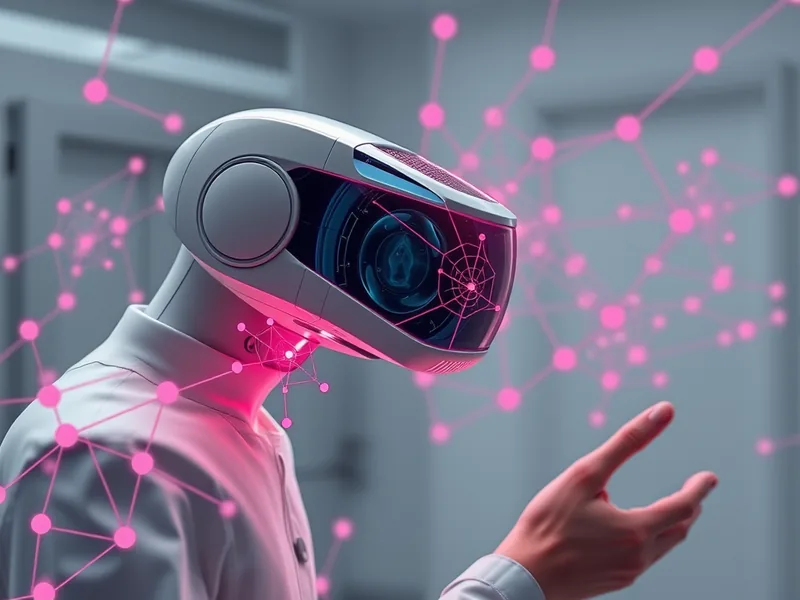
The importance of hardware innovation extends beyond just making tasks easier for healthcare providers. It directly impacts patient outcomes, operational efficiency, and the overall quality of care. For instance, a device that accurately captures vital signs can lead to earlier detection of health issues, while a well-designed diagnostic tool can reduce the need for repeat procedures, saving time and resources.
Hardware must be designed with the clinical workflow in mind. This means understanding how care is actually delivered-where delays occur, which tasks require specialized skills, what information is lacking, and how much time clinicians can realistically devote to using a device. By addressing these practical concerns, hardware can remove uncertainty from critical moments in patient care.
The integration of AI and advanced hardware also opens up new possibilities for preventive care and chronic disease management. For example, wearable devices that monitor vital signs in real-time can alert both patients and healthcare providers to potential issues before they become serious. This proactive approach not only improves health outcomes but also reduces the burden on healthcare systems by preventing hospitalizations.
While AI and digital platforms are driving significant advancements in healthcare, their full potential can only be realized through complementary hardware innovation. By focusing on the physical layer of digital care, we can ensure that these technologies truly enhance the patient experience and deliver on the promise of a more efficient, effective healthcare system.
Tags
Original Sources
Healthcare innovation needs better hardware
↗ https://www.healthcareitnews.com/news/asia/healthcare-innovation-needs-better-hardware
About the author
Amara's entry point into AI was an epidemiology role at a London research hospital, where she spent five years studying how digital health tools reached — or conspicuously failed to reach — underserved communities. Watching early algorithmic systems in healthcare quietly entrench existing inequalities, she redirected her career toward the systemic consequences of AI at scale. She covers AI through an unflinching lens: who benefits, who bears the cost, and what evidence actually says versus what the press release claims. Her writing is calm and precise, but she doesn't mistake balance for neutrality.
More from The Steward →This Week's Edition
17 August 2026
113 articles
Related Articles
Related Articles
More Stories
© 2026 Cedar & Bloom. All rights reserved.