The Drum · Weekly AI news, freeSubscribe →

Share
Chinese AI developers struggle as U.S. Sanctions limit access to crucial Nvidia chips, hindering their ability to train sophisticated models and compete with better-equipped American rivals.
As China continues its push to become a global leader in artificial intelligence (AI), local developers are facing significant challenges due to limited access to high-performance chips, particularly those from U.S.-based Nvidia. The latest Rubin lineup of GPUs is in high demand, but better-funded American competitors often secure the first dibs, leaving Chinese firms at a disadvantage.
The inability to access top-tier AI hardware is a critical bottleneck for China's tech ambitions. Advanced GPUs are essential for training complex AI models and maintaining competitive edge in areas such as natural language processing, computer vision, and machine learning. According to industry analysts, the performance gap between U.S. and Chinese AI systems could widen if this issue persists.
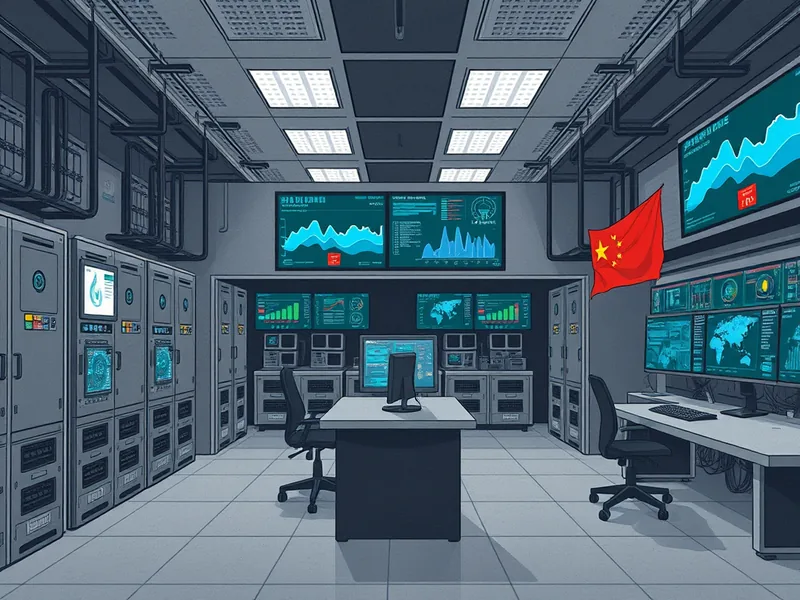
Nvidia's Rubin Lineup: Nvidia's latest GPU series, the Rubin lineup, is highly sought after for its superior performance in AI applications. U.S. companies like Google and Meta have been among the first to secure these chips, leaving Chinese firms scrambling for alternatives.
Chinese Firms' Struggles: Companies such as Baidu and Alibaba are facing significant hurdles in accessing the necessary hardware to keep up with their American rivals. Baidu's recent AI project faced delays due to a shortage of high-performance GPUs, highlighting the critical nature of this issue.
The global semiconductor market is projected to reach $600 billion by 2025, according to a report by Grand View Research. The competition for advanced chips is intensifying, with both China and the U.S. vying for dominance in AI and other high-tech sectors.
Nvidia's stock performance reflects the company's strong position in the market. As of January 15, 2026, Nvidia's share price was $487.30, up 3.5% year-to-date, driven by robust demand for its AI-focused products.
While China has made significant strides in AI development, the lack of access to advanced U.S. chips remains a critical obstacle. Addressing this issue through domestic innovation, strategic partnerships, and policy support will be crucial for China's continued progress in the global tech race.
Tags
Original Sources
About the author
Marcus began tracking AI's market implications in 2016, noticing AI-related patent filings accelerating ahead of earnings upgrades before most of the sell-side had caught on. A former fixed-income quantitative analyst, he spent two decades building models that priced risk across emerging markets before pivoting to cover the economic impact of AI full-time. His writing translates opaque technical developments into clear risk/reward terms — and he's rarely diplomatic about the gap between AI valuations and underlying fundamentals. He believes most market participants still underestimate AI's long-run deflationary effect on knowledge work.
More from The Analyst →This Week's Edition
16 January 2026
24 articles
Related Articles
Related Articles
More Stories
© 2026 Cedar & Bloom. All rights reserved.