The Drum · Weekly AI news, freeSubscribe →

Share
As healthcare leaders navigate the promise and pitfalls of artificial intelligence, a balanced approach that defines clear roles and sets realistic expectations is key to reaping AI’s benefits.
For many health plan leaders, the recent headlines about AI have been cautionary tales. Stories of prior authorization tools making high-stakes denials with little oversight or transparency have fueled skepticism. This backlash has made it harder for innovative solutions to gain traction. However, cutting through this skepticism requires a clear understanding of what AI can and cannot do-and how it can work alongside human expertise to improve healthcare.
Kalin Stanojev, Vice President of AI Platform at SafeRide Health, emphasizes the importance of setting realistic expectations and defining specific roles for AI. "The best way to address AI skepticism is to get specific about which jobs AI is ready to do well," he says. "Medical transportation is a concrete example where this approach can make a significant difference."
Non-emergency medical transportation (NEMT) brokers are already leveraging AI to enhance efficiency and improve patient outcomes. According to a 2025 survey by the National Association of Insurance Commissioners, 84% of responding health insurers are using AI for fraud detection, utilization management, and prior authorization. Transportation companies are no exception.
The key to successful AI integration lies in assigning it tasks that play to its strengths while leaving complex decision-making to human experts. For instance, AI excels at handling high-volume, quick-analysis work, such as scheduling rides, processing claims, and identifying patterns in data. By automating these routine tasks, AI frees up healthcare professionals to focus on more critical, judgment-based decisions.
Consider the example of an Interactive Voice Response (IVR) system with AI agents. These systems can field initial phone calls, gather necessary information, and direct members to the most appropriate solutions. This not only saves time for call representatives but also ensures that members receive fast, accurate service. When a member calls their transportation provider, AI agents should have secure access to the member’s past rides, health plan benefits, eligibility, and specific mobility needs. Many ride bookings can be handled quickly and seamlessly by AI, allowing human agents to focus on more complex issues.
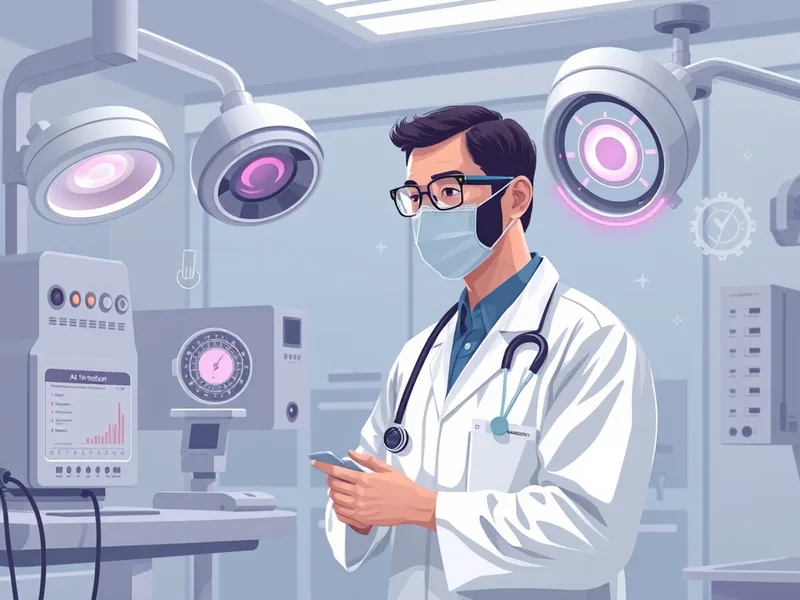
Stanojev explains, "AI makes human work better by surfacing the right context and direction. It ensures that when people handle the hard calls, they are already informed and prepared." This collaborative approach improves cost efficiency, member experience, and benefit integrity.
The integration of AI in healthcare is not just about technology; it's about enhancing the human touch. By clearly defining roles and setting honest limits, we can ensure that AI complements rather than replaces human expertise. This balanced approach addresses the ethical concerns surrounding AI while maximizing its potential to improve patient care.
In an industry where trust and transparency are paramount, clear communication about how AI is used and what it can achieve is essential. Health plan leaders who adopt this transparent and realistic approach will be better positioned to harness the benefits of AI, ultimately leading to more efficient processes, improved patient outcomes, and a more sustainable healthcare system.
As we move forward, it’s crucial to continue evaluating and refining the roles of AI in healthcare. By doing so, we can build a future where technology and human expertise work hand in hand to deliver the best possible care for all patients.
Tags
Original Sources
Healthcare AI Works Better with Clear Roles and Honest Limits
↗ https://www.fiercehealthcare.com/sponsored/healthcare-ai-works-better-clear-roles-and-honest-limits
About the author
Amara's entry point into AI was an epidemiology role at a London research hospital, where she spent five years studying how digital health tools reached — or conspicuously failed to reach — underserved communities. Watching early algorithmic systems in healthcare quietly entrench existing inequalities, she redirected her career toward the systemic consequences of AI at scale. She covers AI through an unflinching lens: who benefits, who bears the cost, and what evidence actually says versus what the press release claims. Her writing is calm and precise, but she doesn't mistake balance for neutrality.
More from The Steward →This Week's Edition
23 June 2026
25 articles
Related Articles

Study Finds Pharmacy Care Coordination Cuts Hospitalizations for Cancer Patients
Health & Science · 5 min

A Decade-Late Diagnosis Sparked a New Model for Funding Precision Health
Health & Science · 5 min

Stanford Scientists Grow Mice With Nearly Half-Human Brains, Reviving Old Ethical Questions
Health & Science · 5 min
Related Articles
Study Finds Pharmacy Care Coordination Cuts Hospitalizations for Cancer Patients
Health & Science · 5 min
A Decade-Late Diagnosis Sparked a New Model for Funding Precision Health
Health & Science · 5 min
Stanford Scientists Grow Mice With Nearly Half-Human Brains, Reviving Old Ethical Questions
Health & Science · 5 min
More Stories
© 2026 Cedar & Bloom. All rights reserved.
