The Drum · Weekly AI news, freeSubscribe →

Share
DAIMON Robotics equips robot hands with sophisticated haptic feedback, enabling them to sense touch and perform intricate tasks that previously required human dexterity.
DAIMON Robotics, a pioneering company in the field of robotics and AI, is making significant strides in giving robot hands a sense of touch. This advancement could revolutionize how robots interact with their environment, particularly in tasks that require delicate manipulation and fine motor skills.
The core innovation lies in integrating advanced haptic feedback systems into robotic hands. Haptic feedback, or tactile feedback, allows robots to perceive and respond to physical sensations like pressure, texture, and temperature. This capability is crucial for applications ranging from assembly line work to surgical procedures, where precision and sensitivity are paramount.
To achieve this, DAIMON Robotics has developed a multi-sensor system that combines several types of sensors:
These sensors are integrated into a flexible, skin-like covering that mimics human touch. The data from these sensors is processed by an onboard AI system, which uses machine learning algorithms to interpret and respond to the tactile information in real-time.
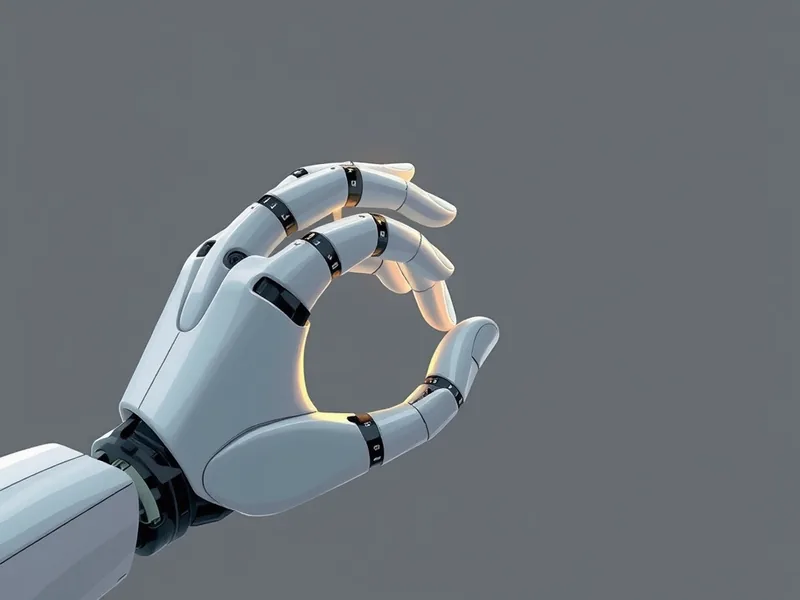
The architecture of DAIMON's robotic hand is designed for high precision and low latency:
By pushing the boundaries of robotic manipulation with enhanced haptic feedback, DAIMON Robotics is setting a new standard in the field. As this technology continues to evolve, we can expect even more sophisticated and capable robotic systems in the future.
Tags
Original Sources
DAIMON Robotics Wants to Give Robot Hands a Sense of Touch
↗ https://spectrum.ieee.org/daimon-robotics-physical-ai
About the author
Kai built ML infrastructure at a Bay Area startup before developing an obsession with transformer architectures and inference optimisation that eventually pulled him out of product work entirely. A stint at a compute research lab sharpened his instinct for what actually matters in a model release versus what is marketing. He writes from the inside — from the perspective of someone who has debugged the systems he is describing at three in the morning. He is allergic to hype and instinctively drawn to the unglamorous plumbing questions that everyone else skips over.
More from The Engineer →This Week's Edition
7 May 2026
29 articles
Related Articles
Related Articles
More Stories
© 2026 Cedar & Bloom. All rights reserved.