The Drum · Weekly AI news, freeSubscribe →
Share
Dapr’s evolution to include AI agent support showcases how the original design foresaw future needs, enabling seamless integration of intelligent automation within complex microservices architectures.
Back in 2019, Microsoft open-sourced Dapr (Distributed Application Runtime), a runtime designed to simplify the development of distributed microservice-based applications. At that time, AI agents weren't a hot topic, but it turns out that Dapr had some foundational components built-in from the start that made supporting AI agents a natural progression.
Dapr has now officially added support for AI agents, which is a significant step forward in its capabilities. This update means that developers can now integrate AI models and agents directly into their microservices architecture, leveraging Dapr's robust features for scalability and orchestration.
For developers working with microservices, this update means you can now build more intelligent and dynamic applications without the need for separate, specialized infrastructure for AI. Here’s how it impacts different aspects of your development process:
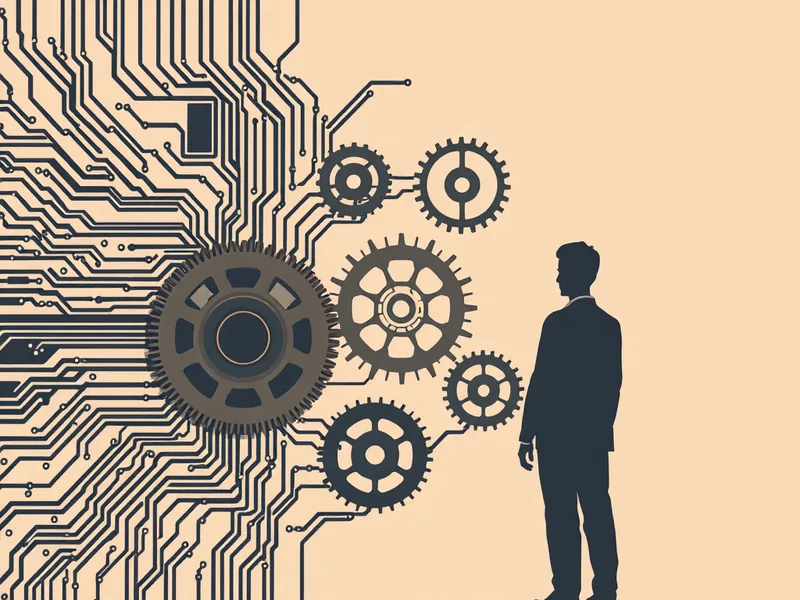
To get started with integrating AI agents in Dapr, you’ll need to:
While specific benchmarks for AI agent performance are not yet available, early adopters have reported significant improvements in development speed and system efficiency. Dapr’s ability to manage state and orchestrate tasks efficiently means that even complex AI workflows can be handled with minimal overhead.
Dapr’s new support for AI agents is a game-changer for developers building microservices-based applications. By leveraging Dapr’s robust features, you can integrate AI seamlessly into your architecture, enhancing both the intelligence and scalability of your systems. Whether you’re working on a small project or a large-scale enterprise application, this update offers exciting possibilities for innovation.
Tags
Original Sources
About the author
Kai built ML infrastructure at a Bay Area startup before developing an obsession with transformer architectures and inference optimisation that eventually pulled him out of product work entirely. A stint at a compute research lab sharpened his instinct for what actually matters in a model release versus what is marketing. He writes from the inside — from the perspective of someone who has debugged the systems he is describing at three in the morning. He is allergic to hype and instinctively drawn to the unglamorous plumbing questions that everyone else skips over.
More from The Engineer →This Week's Edition
21 March 2025
29 articles
Related Articles
Related Articles
More Stories
© 2026 Cedar & Bloom. All rights reserved.