The Drum · Weekly AI news, freeSubscribe →

Share
At the intersection of robotics and entertainment, Disney’s Morgan Pope is using advanced electromagnetism techniques to create more emotionally engaging experiences for theme park visitors.
In an era where technology and entertainment are increasingly intertwined, Disney’s Imagineer Morgan Pope stands out as a pioneer. By leveraging cutting-edge electromagnetism, Pope is revolutionizing how robots can evoke emotions and enhance the visitor experience at Disney parks. This innovative approach not only pushes the boundaries of robotics but also opens new avenues for investment in AI-driven entertainment solutions.
Pope's work primarily focuses on developing robots that can interact with humans in more natural and emotionally resonant ways. By integrating electromagnetism, these robots can perform intricate movements and gestures that mimic human expressions, thereby creating a deeper emotional connection with park guests. This technology is not just about creating lifelike animations; it’s about making visitors feel seen, heard, and engaged.
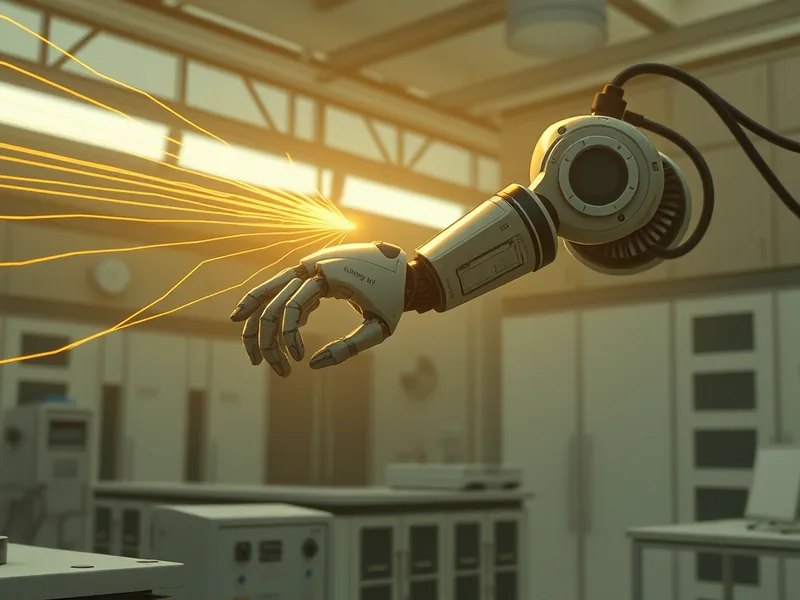
The core of Pope's innovation lies in the precise control of electromagnets to achieve nuanced movements. Electromagnetic actuators allow for a level of finesse that traditional mechanical systems cannot match. For instance, these actuators can subtly adjust a robot’s facial expressions or hand gestures to convey specific emotions, such as happiness, surprise, or even sadness. This capability is crucial in creating immersive and interactive experiences that captivate audiences.
The use of electromagnetism enables robots to respond dynamically to their environment. Sensors integrated into the robotic systems can detect changes in light, sound, and movement, allowing the robots to react in real-time. This responsiveness enhances the authenticity of the interactions, making them feel more spontaneous and less scripted.
The integration of AI further amplifies the potential of these electromagnetically actuated robots. Machine learning algorithms can analyze visitor behavior and adjust the robot’s responses accordingly, ensuring that each interaction is tailored to the individual. This personalization is key to building a lasting emotional connection with park guests.
For investors, Pope's work represents a significant opportunity in the AI and robotics sectors. The market for entertainment technology is projected to grow substantially over the next decade, driven by increasing demand for immersive experiences. According to BCC Research, the global market for interactive entertainment technologies is expected to reach $142 billion by 2027, with a compound annual growth rate (CAGR) of 8.5%.
Venture capitalists and private equity firms are already showing interest in startups that are developing similar electromagnetism-based solutions. Companies like Boston Dynamics and SoftBank Robotics have demonstrated the commercial viability of advanced robotics in entertainment settings. Disney’s success with Pope's innovations could serve as a catalyst for further investment in this space.
However, there are risks to consider. The development of electromagnetically actuated robots requires significant R&D investments. Regulatory hurdles may arise as these technologies become more prevalent. Ensuring the safety and reliability of such systems will be crucial for widespread adoption.
Despite these challenges, the potential rewards are substantial. As theme parks and other entertainment venues continue to seek ways to differentiate themselves in a crowded market, technologies like those developed by Morgan Pope could provide a competitive edge. Investors who recognize this opportunity early may position themselves well for long-term gains.
Morgan Pope’s work at Disney is not just about creating more lifelike robots; it’s about redefining the future of entertainment. The integration of electromagnetism and AI opens new possibilities for immersive and emotionally engaging experiences, presenting a compelling investment opportunity in the growing market for interactive entertainment technologies.
Tags
Original Sources
Morgan Pope
↗ https://spectrum.ieee.org/disney-roboticist-morgan-pope/morgan-pope
About the author
Marcus began tracking AI's market implications in 2016, noticing AI-related patent filings accelerating ahead of earnings upgrades before most of the sell-side had caught on. A former fixed-income quantitative analyst, he spent two decades building models that priced risk across emerging markets before pivoting to cover the economic impact of AI full-time. His writing translates opaque technical developments into clear risk/reward terms — and he's rarely diplomatic about the gap between AI valuations and underlying fundamentals. He believes most market participants still underestimate AI's long-run deflationary effect on knowledge work.
More from The Analyst →This Week's Edition
15 June 2026
18 articles
Related Articles
Related Articles
More Stories
© 2026 Cedar & Bloom. All rights reserved.