The Drum · Weekly AI news, freeSubscribe →
Share
As economists predict modest gains from AI, insiders foresee transformative effects, sparking a debate that could sway future policy and investment strategies in profound ways.
The debate over the future impact of artificial intelligence (AI) on economic growth is heating up, with a stark divide emerging between economists and those deeply involved in the AI industry. A recent analysis of forecasts for the period 2025-2035 reveals significant discrepancies in expectations, primarily centered around the pace of AI capability advancement.
Understanding the potential impact of AI on economic growth is crucial for policymakers, investors, and businesses. The differences in projections can lead to vastly different policy decisions and investment strategies. For instance, a modest 0.1-1.5% annual growth forecast could suggest a need for incremental policy adjustments, while a more aggressive 3-30% forecast might call for transformative changes.
Most economists predict a relatively conservative impact of AI on economic growth, with forecasts ranging from 0.1% to 1.5% per year. Notable exceptions include Baily, Brynjolfsson, and Korinek (2023) and Korinek and Suh (2024), who offer more optimistic projections. These economists generally treat AI as a one-time shock rather than an ongoing source of growth.
In contrast, many AI industry insiders forecast a much more significant impact, with growth rates ranging from 3% to 30% per year. A notable exception is Andrej Karpathy, who expects GDP growth to remain on historical trends. The primary reason for this divergence is the assumption about the future rate of AI capabilities progress. Many economic models effectively assume no further significant advancements in AI, which seems at odds with the rapid pace of technological development observed in recent years.
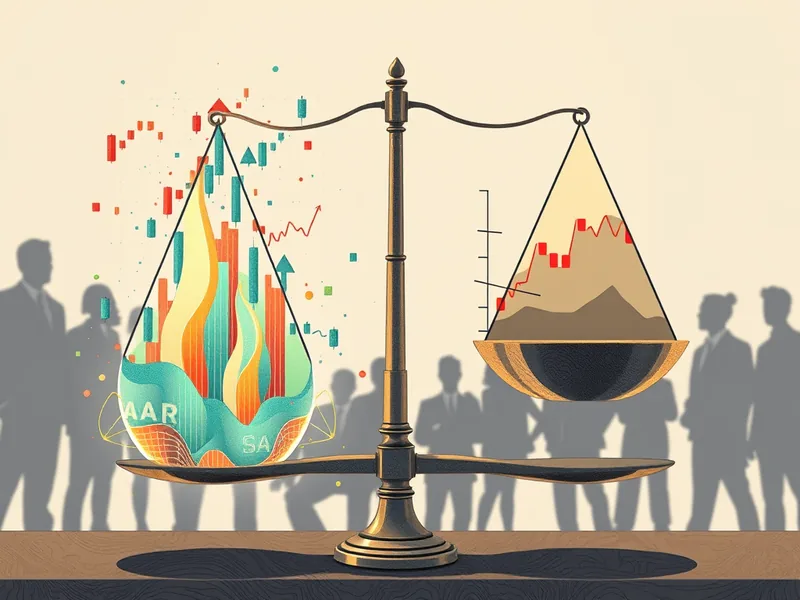
The debate over the future impact of AI on economic growth highlights the need for a nuanced approach that balances cautious optimism with realistic expectations. Policymakers and investors should carefully consider these divergent forecasts and the underlying assumptions to make informed decisions that can capitalize on the opportunities while mitigating risks.
Tags
Original Sources
About the author
Marcus began tracking AI's market implications in 2016, noticing AI-related patent filings accelerating ahead of earnings upgrades before most of the sell-side had caught on. A former fixed-income quantitative analyst, he spent two decades building models that priced risk across emerging markets before pivoting to cover the economic impact of AI full-time. His writing translates opaque technical developments into clear risk/reward terms — and he's rarely diplomatic about the gap between AI valuations and underlying fundamentals. He believes most market participants still underestimate AI's long-run deflationary effect on knowledge work.
More from The Analyst →This Week's Edition
7 November 2025
29 articles
Related Articles
Related Articles
More Stories
© 2026 Cedar & Bloom. All rights reserved.