The Drum · Weekly AI news, freeSubscribe →

Share
Verena Ross warns that as AI integrates into financial systems, the landscape for cyber threats becomes more perilous, urging regulators to stay ahead of rapidly evolving technological risks.
The head of Europe’s securities regulator, Verena Ross, has issued a stark warning about the increasing cyber threats facing the financial sector, particularly as artificial intelligence (AI) models evolve rapidly. In an interview with Reuters, Ross highlighted that the potential speed and sophistication of cyberattacks are on the rise, exacerbated by geopolitical tensions and the integration of AI technologies.
The European Securities and Markets Authority (ESMA) is closely monitoring how the introduction of AI models could heighten the risk of cyberattacks. This comes at a time when the financial sector has already been shaken by reports that a new AI model, Mythos, developed by U.S.-based Anthropic, can identify and exploit previously unknown cybersecurity vulnerabilities in IT systems. The implications for regulatory oversight are significant, as financial entities must now contend with not only traditional cyber threats but also the advanced capabilities of AI.
Accelerated Attack Vectors: Ross emphasized that AI models could increase the speed at which cyberattacks occur, making it more challenging for financial institutions to defend against them. The ability of AI to rapidly identify and exploit vulnerabilities means that cybersecurity defenses must be continuously updated and strengthened.
Geopolitical Tensions: Heightened geopolitical tensions have further increased the risk of cyber threats. ESMA is actively engaging with financial entities under its supervision to assess their cybersecurity preparedness, particularly in light of recent developments in AI.
Regulatory Challenges: Regulators are struggling to keep pace with the rapid evolution of AI technologies. Ross acknowledged that both national and EU-level authorities need to enhance their capabilities to effectively monitor and regulate the use of AI in financial systems.
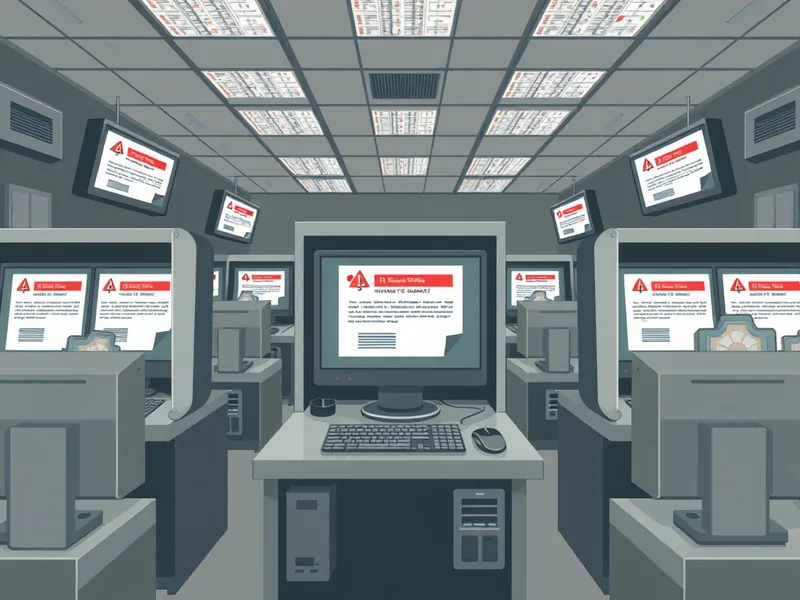
Despite the risks, there is an opportunity for the financial sector to leverage AI for enhanced cybersecurity. Financial institutions can develop more sophisticated defense mechanisms by integrating AI into their existing security frameworks. This includes using AI for real-time threat detection, automated response systems, and predictive analytics to identify potential vulnerabilities before they are exploited.
Ross indicated that ESMA is taking a proactive approach to address these challenges. The regulator is working closely with financial entities to ensure they have robust cybersecurity measures in place. Additionally, there is a push for greater collaboration between national and EU-level regulators to develop comprehensive guidelines and best practices for managing AI-related cyber risks.
The growing threat of cyberattacks, amplified by the rapid advancement of AI, presents significant challenges for the European financial sector. However, with proactive regulatory measures and enhanced cybersecurity strategies, financial institutions can mitigate these risks and harness the benefits of AI technology. The key will be maintaining a balanced approach that ensures both security and innovation.
Tags
Original Sources
About the author
Marcus began tracking AI's market implications in 2016, noticing AI-related patent filings accelerating ahead of earnings upgrades before most of the sell-side had caught on. A former fixed-income quantitative analyst, he spent two decades building models that priced risk across emerging markets before pivoting to cover the economic impact of AI full-time. His writing translates opaque technical developments into clear risk/reward terms — and he's rarely diplomatic about the gap between AI valuations and underlying fundamentals. He believes most market participants still underestimate AI's long-run deflationary effect on knowledge work.
More from The Analyst →This Week's Edition
25 April 2026
29 articles
Related Articles

Seattle Children's Network Turns Data Trust Into Preventive Care Gains, With Lessons for Security Teams
Security & Risk · 6 min

Anthropic Gives Outside Safety Researchers the Same Access as Its Own Staff
Security & Risk · 5 min

Fitch Puts a Number on AI Risk: New Stress Test Flags Credit Exposure Across Four Sectors
Security & Risk · 5 min
Related Articles
Seattle Children's Network Turns Data Trust Into Preventive Care Gains, With Lessons for Security Teams
Security & Risk · 6 min
Anthropic Gives Outside Safety Researchers the Same Access as Its Own Staff
Security & Risk · 5 min
Fitch Puts a Number on AI Risk: New Stress Test Flags Credit Exposure Across Four Sectors
Security & Risk · 5 min
More Stories
© 2026 Cedar & Bloom. All rights reserved.
