The Drum · Weekly AI news, freeSubscribe →

Share
As bionic technology advances, so do the real-world challenges users face, from physical discomfort and maintenance issues to social acceptance and ethical concerns, blurring the line between human and machine.
When I first met Robert Woo in 2011, he was already a veteran user of powered exoskeletons. An architect paralyzed in a construction accident four years earlier, Woo was determined to walk again. Watching him move across a rehab room in an early exoskeleton prototype, the technology seemed almost magical. This same sense of awe hit me when I reported on early brain-computer interfaces (BCIs), which allowed paralyzed individuals to control robotic arms or communicate through thought alone.
However, as years of reporting have taught me, that initial sense of wonder is just the beginning. The real test for these technologies lies in their practical application: Do they work reliably outside the lab? Can people with disabilities use them effectively? And what are the true costs-in terms of time, effort, and trade-offs-of integrating them into daily life?
Robert Woo’s story is a prime example of how bionic technology evolves through real-world use. Over 15 years, he has tested numerous exoskeleton systems, providing relentless feedback that has driven steady improvements. His experience highlights the gap between lab demonstrations and everyday usability.
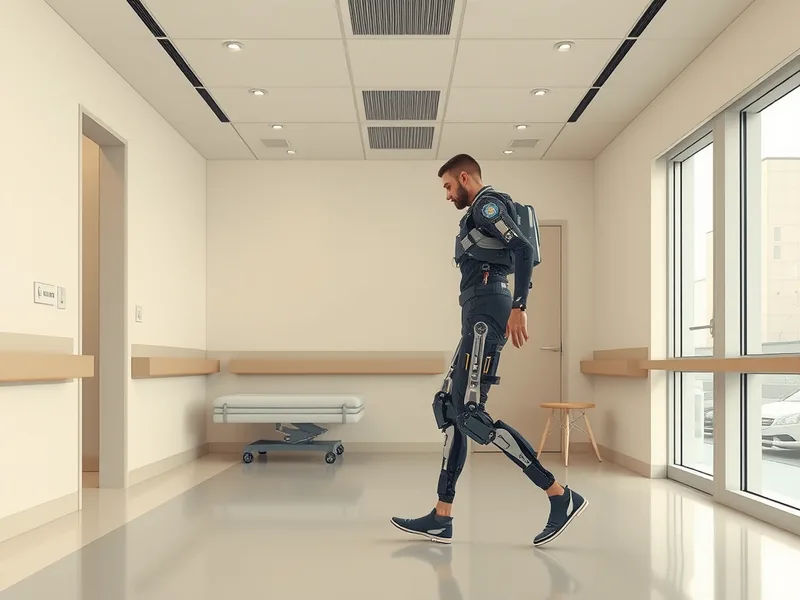
The transition from lab to life is not without its challenges. Here are some key considerations for practitioners and users:
As bionic technology continues to evolve, several trends are emerging:
The journey from lab to life is a long one, but it’s clear that user feedback and real-world testing are essential for making bionic technology truly transformative. As we continue to push the boundaries of what’s possible, the focus must remain on creating solutions that are not only impressive in demonstrations but also practical and reliable in everyday use.
Tags
Original Sources
Bionic Tech Must Prove Itself Beyond the Lab
↗ https://spectrum.ieee.org/amp/assistive-technology-2676752942
About the author
Kai built ML infrastructure at a Bay Area startup before developing an obsession with transformer architectures and inference optimisation that eventually pulled him out of product work entirely. A stint at a compute research lab sharpened his instinct for what actually matters in a model release versus what is marketing. He writes from the inside — from the perspective of someone who has debugged the systems he is describing at three in the morning. He is allergic to hype and instinctively drawn to the unglamorous plumbing questions that everyone else skips over.
More from The Engineer →This Week's Edition
7 May 2026
29 articles
Related Articles
Related Articles
More Stories
© 2026 Cedar & Bloom. All rights reserved.