The Drum · Weekly AI news, freeSubscribe →

Share
GLM-Image merges auto-regressive and diffusion models to generate images with both high precision in dense-knowledge tasks and unmatched fidelity, pushing the boundaries of industrial-grade image generation technology.
Today, we're excited to introduce GLM-Image, a groundbreaking open-source model that combines the strengths of auto-regressive and diffusion architectures. This industrial-grade discrete auto-regressive image generation model is designed to excel in tasks requiring precise semantic understanding and complex information expression, while maintaining high-fidelity and fine-grained detail generation.
GLM-Image introduces a hybrid architecture that leverages an auto-reggressive module for low-frequency semantic signals and a diffusion decoder for high-frequency detail refinement. Here’s a breakdown of the key components:
Auto-regressive Module:
Diffusion Decoder:
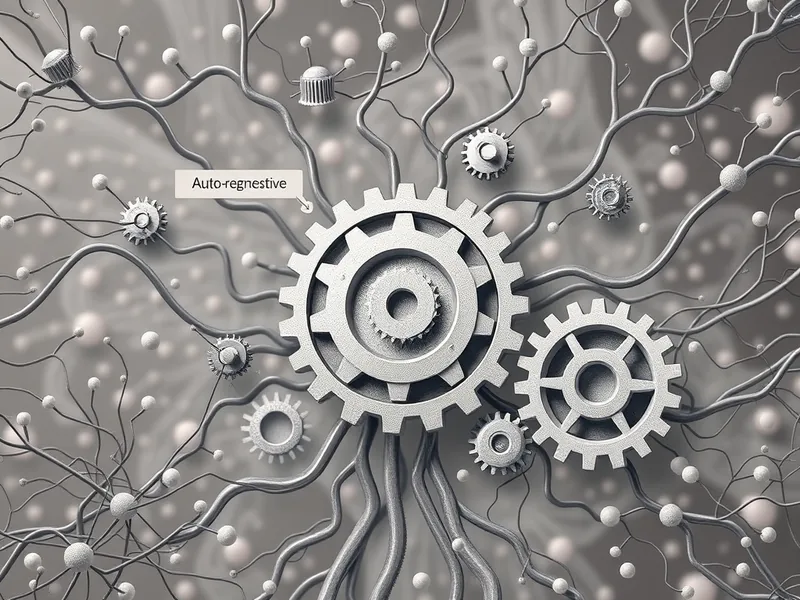
Diffusion models have become the go-to choice for image generation due to their training stability and strong generalization capabilities. However, they often fall short in complex instruction following and knowledge-intensive scenarios, lacking both information expression and semantic alignment. On the other hand, some high-quality auto-regressive models have shown outstanding performance in these areas, producing visually rich details while maintaining robust semantic understanding.
In previous visual auto-regressive generation models, token types typically fell into three categories:
GLM-Image's hybrid architecture leverages the strengths of these token types by using an auto-regressive generator to produce tokens with low-frequency semantic signals, which are then refined by the diffusion decoder to add high-frequency details. This approach ensures that the model can handle both complex instructions and high-fidelity image generation effectively.
GLM-Image represents a significant step forward in image generation, combining the robust semantic understanding of auto-regressive models with the high-fidelity detail refinement capabilities of diffusion decoders. Whether you're working on creative projects that demand intricate knowledge representation or general image generation tasks, GLM-Image is a powerful tool to have in your arsenal.
Tags
Original Sources
About the author
Kai built ML infrastructure at a Bay Area startup before developing an obsession with transformer architectures and inference optimisation that eventually pulled him out of product work entirely. A stint at a compute research lab sharpened his instinct for what actually matters in a model release versus what is marketing. He writes from the inside — from the perspective of someone who has debugged the systems he is describing at three in the morning. He is allergic to hype and instinctively drawn to the unglamorous plumbing questions that everyone else skips over.
More from The Engineer →This Week's Edition
14 January 2026
29 articles
Related Articles

Wharton's Fourth Annual AI Survey: Most Companies See Returns, Few See Big Ones
Models & Research · 6 min
Tensormesh Launches Enterprise KV Cache Platform to Cut Redundant LLM Compute
Models & Research · 6 min

Iambic Therapeutics Raises $150 Million in IPO to Fund AI-Designed Cancer Drugs
Finance & Markets · 5 min
Related Articles
Wharton's Fourth Annual AI Survey: Most Companies See Returns, Few See Big Ones
Models & Research · 6 min
Tensormesh Launches Enterprise KV Cache Platform to Cut Redundant LLM Compute
Models & Research · 6 min
Iambic Therapeutics Raises $150 Million in IPO to Fund AI-Designed Cancer Drugs
Finance & Markets · 5 min
More Stories
© 2026 Cedar & Bloom. All rights reserved.
