The Drum · Weekly AI news, freeSubscribe →

Share
As the global market for GLP-1 drugs surges, patients are increasingly relying on social media influencers for guidance, raising concerns about safety and efficacy.
The pharmaceutical industry has seen few success stories as compelling as the rise of GLP-1 (glucagon-like peptide-1) receptor agonists. Drugs like Ozempic, Wegovy, and Zepbound have revolutionized weight management and metabolic health, with the global GLP-1 market projected to exceed $130 billion by 2035. Despite this monumental growth, a significant gap remains in patient education and support, leading many to seek information from an unlikely source: TikTok.
Patients are turning to social media for advice on dosing schedules, side effects, and even alternative treatments, often finding themselves in a landscape fraught with misinformation and unregulated products. This trend highlights the need for better patient guidance and regulatory oversight in the rapidly expanding GLP-1 market.
TikTok's influence on healthcare is undeniable. With its massive user base and viral nature, it has become a go-to platform for patients seeking information about their medications. However, this comes with significant risks. A quick search reveals a spectrum of content, from genuine patient experiences to dubious health claims.
On one end, real patients share their journeys, providing valuable insights into the day-to-day challenges and successes of using GLP-1 drugs. These personal stories can offer emotional support and practical tips for managing side effects. However, on the other end, a darker marketplace is emerging, driven by influencers and supplement makers who capitalize on the GLP-1 boom.
TikTok tutorials on reconstituting peptide powders, wellness influencers hawking “natural Ozempic” patches, and coaches with affiliate links promising the same results as semaglutide (for a monthly fee) are becoming increasingly common. These products are often unregulated and lack credible clinical evidence, posing significant risks to users.
The issue is further compounded by the ease of access to these products through platforms like TikTok Shop. Supplement makers have flooded the market with pills, powders, drops, and patches branded around “GLP-1.” This unregulated environment can lead to serious health consequences, including adverse reactions and interactions with prescribed medications.
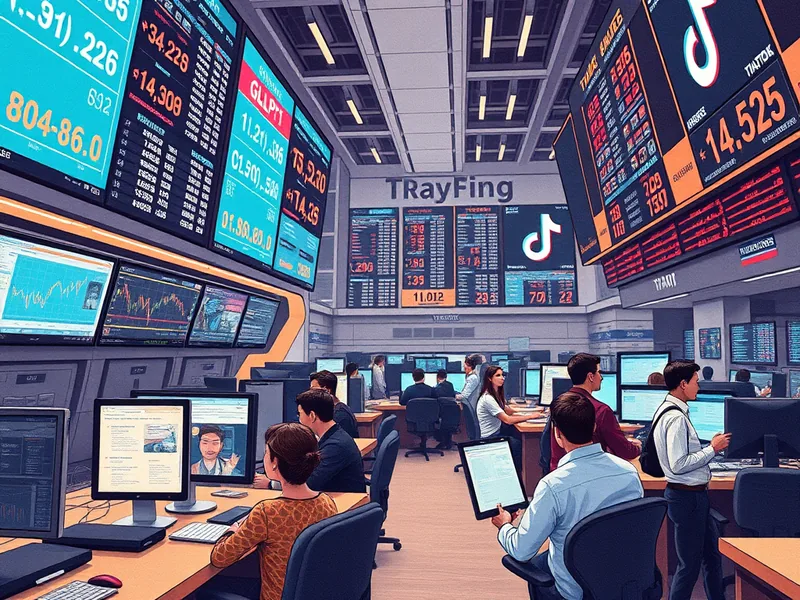
The GLP-1 market's rapid growth presents a unique opportunity for pharmaceutical companies and healthcare providers. With nearly 1 in 8 U.S. Adults using a GLP-1 drug, the demand is clear. However, this surge also highlights the need for better patient education and support systems.
Pharmaceutical companies must invest in comprehensive patient resources that provide accurate and reliable information. Telehealth appointments, while convenient, often fall short in delivering the detailed guidance patients need. Post-prescription support, including follow-up consultations and educational materials, can help bridge this gap.
Regulatory bodies like the FDA also have a crucial role to play. Strengthening oversight of social media platforms and unregulated health products can protect consumers from misleading information and unsafe practices. This includes monitoring influencer content and enforcing stricter guidelines for marketing health-related products.
For investors, the GLP-1 market remains a promising investment opportunity. However, it is essential to consider the potential risks associated with regulatory challenges and patient safety concerns. Companies that prioritize patient education and support are likely to gain a competitive edge in this rapidly evolving landscape.
While the GLP-1 market's growth is a testament to its effectiveness and demand, addressing the information gap and ensuring patient safety should be paramount. By investing in comprehensive patient resources and regulatory oversight, stakeholders can ensure that the benefits of these life-changing medications are realized without compromising consumer health.
Tags
Original Sources
GLP-1s Are a $70 Billion Market — So Why Are Patients Still Getting Medical Advice From TikTok Influencers? - MedCity News
↗ https://medcitynews.com/2026/06/glp-1s-are-a-70-billion-market-so-why-are-patients-still-getting-medical-advice-from-tiktok-influencers
About the author
Marcus began tracking AI's market implications in 2016, noticing AI-related patent filings accelerating ahead of earnings upgrades before most of the sell-side had caught on. A former fixed-income quantitative analyst, he spent two decades building models that priced risk across emerging markets before pivoting to cover the economic impact of AI full-time. His writing translates opaque technical developments into clear risk/reward terms — and he's rarely diplomatic about the gap between AI valuations and underlying fundamentals. He believes most market participants still underestimate AI's long-run deflationary effect on knowledge work.
More from The Analyst →This Week's Edition
15 June 2026
18 articles
Related Articles
Related Articles
More Stories
© 2026 Cedar & Bloom. All rights reserved.