The Drum · Weekly AI news, freeSubscribe →

Share
As AI hyperscalers pour billions into cutting-edge GPUs, the swift depreciation of these assets threatens to undermine their financial stability, forcing them to navigate a costly cycle of technological obsolescence.
The rapid advancement of artificial intelligence (AI) has led to substantial investments by hyperscale data centers in high-performance graphics processing units (GPUs). However, the accelerated depreciation of these assets could become a critical financial challenge, especially as companies prepare for the next generation of technology upgrades. This article explores the potential implications and risks associated with GPU deprecation, drawing on recent industry trends and financial metrics.
Hyperscalers such as Google, Amazon, and Microsoft have collectively invested billions of dollars in building out their data centers to support AI workloads. According to a report by Synergy Research Group, hyperscale data center investments reached $150 billion in 2022 alone. These investments are primarily focused on acquiring state-of-the-art GPUs, which are essential for training complex machine learning models.
However, the lifespan of these GPUs is relatively short due to rapid technological advancements. A GPU that was cutting-edge a few years ago may now be considered obsolete, leading to significant devaluation. This depreciation can have severe financial implications, including:
Technological Obsolescence: The rapid pace of innovation in GPU technology means that even recently purchased equipment can quickly become outdated. For instance, NVIDIA's introduction of the A100 and H100 series has rendered many previous-generation GPUs less valuable.
Electricity Costs: Older GPUs are generally less power-efficient, leading to higher electricity consumption. According to a study by the University of Cambridge, data centers consume approximately 1% of global electricity, with GPU-intensive AI workloads contributing significantly to this figure.
Financial Reporting Implications: The accelerated depreciation of GPUs can affect financial statements, potentially leading to lower reported earnings and impacting investor confidence. This is particularly relevant for public companies that must adhere to strict accounting standards.
Scalability Challenges: As the demand for AI services grows, hyperscalers will need to scale their GPU infrastructure rapidly. However, the high cost of new GPUs and the risk of obsolescence make this a challenging task.
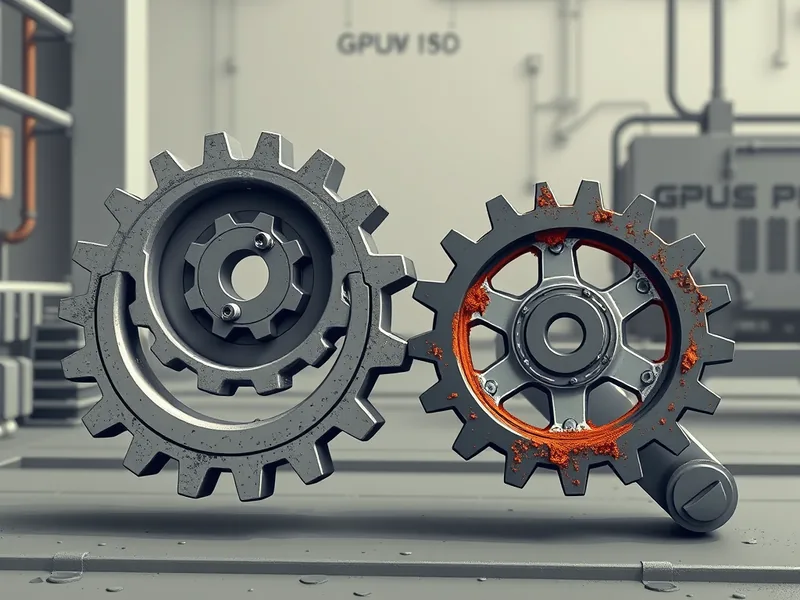
Despite these risks, there are opportunities for hyperscalers to mitigate the financial impact of GPU depreciation:
Strategic Asset Management: Implementing robust asset management practices can help optimize the lifecycle of GPUs. This includes regular assessments of performance and efficiency, as well as timely upgrades to more advanced models.
Energy Efficiency Initiatives: Investing in energy-efficient data center designs and cooling technologies can reduce operational costs. For example, liquid cooling solutions have shown promise in improving power usage effectiveness (PUE) metrics.
Leveraging Used Equipment Markets: The secondary market for used GPUs is growing, providing an opportunity to recoup some of the investment by selling older equipment. Additionally, purchasing refurbished or slightly used GPUs can offer cost savings without significantly compromising performance.
Collaboration and Standardization: Collaborating with GPU manufacturers and industry partners to develop standardized practices for GPU management can help streamline operations and reduce costs. This includes participating in research and development initiatives aimed at extending the lifespan of GPUs.
While the rapid depreciation of GPUs poses significant financial risks for AI hyperscalers, proactive strategies can help mitigate these challenges. By focusing on strategic asset management, energy efficiency, and collaboration, companies can continue to drive innovation while maintaining financial stability.
Tags
Original Sources
About the author
Marcus began tracking AI's market implications in 2016, noticing AI-related patent filings accelerating ahead of earnings upgrades before most of the sell-side had caught on. A former fixed-income quantitative analyst, he spent two decades building models that priced risk across emerging markets before pivoting to cover the economic impact of AI full-time. His writing translates opaque technical developments into clear risk/reward terms — and he's rarely diplomatic about the gap between AI valuations and underlying fundamentals. He believes most market participants still underestimate AI's long-run deflationary effect on knowledge work.
More from The Analyst →This Week's Edition
19 November 2025
29 articles
Related Articles
Related Articles
More Stories
© 2026 Cedar & Bloom. All rights reserved.