The Drum · Weekly AI news, freeSubscribe →

Share
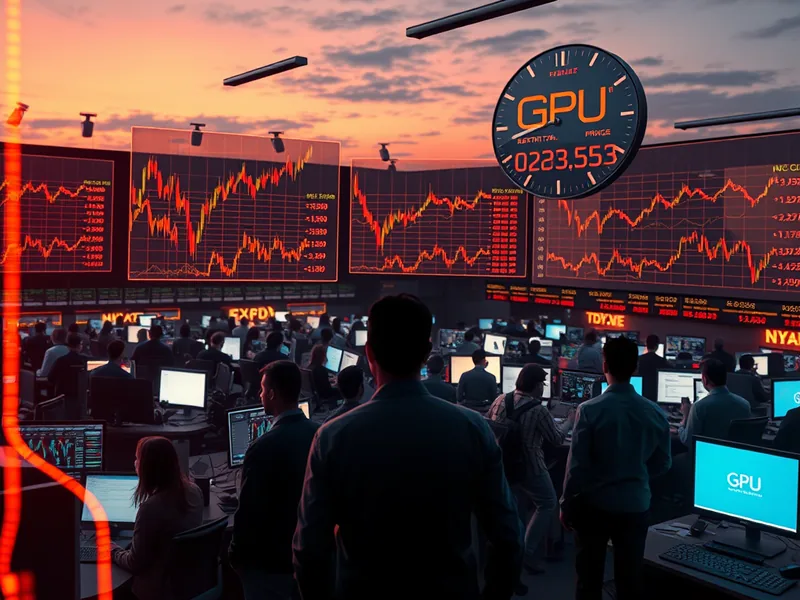
As GPU shortages intensify, tech firms grapple with soaring rental costs, threatening to curb AI innovation and widen the gap between big players and startups in the competitive market.
For the first time since the early 2000s, technology companies are facing significant constraints in their supply chain, particularly in the realm of AI compute. This scarcity is reshaping the landscape for both established players and startups, with profound implications for market access, cost management, and innovation.
GPU rental prices for Nvidia’s Blackwell chips have surged by 48% over the past two months, from $2.75 to $4.08 per hour. CoreWeave has also raised its prices by 20% and extended minimum contracts from one year to three years. These increases are symptomatic of a broader trend where demand for AI compute is outpacing supply, leading to higher costs and limited access.
Sarah Friar, CFO of OpenAI, highlighted the challenges: “We’re making some very tough trades at the moment on things we’re not pursuing because we don’t have enough compute.” This scarcity is particularly acute for startups, which often lack the financial resources and negotiating power of larger firms.
Limited Access to State-of-the-Art Models: Providers are increasingly limiting access to their most advanced models to their most profitable or strategic customers. For instance, Anthropic has restricted its newest model to approximately forty organizations, turning access into a gated privilege.
Prohibitive Costs for Startups: Even when models are available, they may become too expensive for smaller companies. This could stifle innovation and limit the diversity of AI applications in the market.
Performance Uncertainty: Even if companies can afford the compute, there is no guarantee that the models will perform at optimal speeds. This adds another layer of risk to project timelines and outcomes.
Inflationary Pressure on Compute Costs: The imbalance between demand and supply is driving prices higher. Procurement and margin management are becoming critical disciplines for software companies, especially those heavily reliant on AI.
Forced Diversification: Developers may need to explore alternative solutions, such as smaller models or on-premise deployments, until energy infrastructure and data center capacity catch up. This transition could take years, further complicating the landscape.
While the current environment presents significant challenges, it also opens new opportunities for innovation and differentiation:
Efficiency and Optimization: Companies that can optimize their use of compute resources will gain a competitive edge. This includes developing more efficient algorithms and leveraging hybrid cloud solutions.
Alternative Models and Deployments: The necessity to explore smaller models or on-premise solutions could lead to breakthroughs in AI efficiency and security. These alternatives might offer unique benefits, such as reduced latency and enhanced data privacy.
Strategic Partnerships: Forming strategic partnerships with compute providers can secure access to essential resources. Companies that build strong relationships may gain preferential access to state-of-the-art models and services.
Investment in Infrastructure: Long-term investments in energy infrastructure and data center capacity could alleviate the current constraints. Startups and established firms alike should consider these investments as part of their strategic planning.
The age of abundant AI compute is over, and it will remain so for years to come. The challenges posed by GPU scarcity and rising costs are significant, but they also present opportunities for those who can navigate the new landscape effectively. Companies that focus on efficiency, innovation, and strategic partnerships will be best positioned to thrive in this evolving market.
Tags
Original Sources
About the author
Marcus began tracking AI's market implications in 2016, noticing AI-related patent filings accelerating ahead of earnings upgrades before most of the sell-side had caught on. A former fixed-income quantitative analyst, he spent two decades building models that priced risk across emerging markets before pivoting to cover the economic impact of AI full-time. His writing translates opaque technical developments into clear risk/reward terms — and he's rarely diplomatic about the gap between AI valuations and underlying fundamentals. He believes most market participants still underestimate AI's long-run deflationary effect on knowledge work.
More from The Analyst →This Week's Edition
14 April 2026
29 articles
Related Articles
Related Articles
More Stories
© 2026 Cedar & Bloom. All rights reserved.