The Drum · Weekly AI news, freeSubscribe →

Share
As artificial intelligence integrates deeper into healthcare, physical therapists are exploring ways to use it to improve patient outcomes and streamline their practice.
In the world of healthcare, technology is no longer a distant promise but an everyday reality. For physical therapy clinicians, this means navigating the integration of AI into their practices. After 13 years in the field, I’ve seen how AI has evolved from a tool for administrative tasks to a partner in clinical reasoning. The challenge now isn’t whether AI will become part of our clinics, but how we can harness it responsibly to enhance patient care and professional expertise.
The stakes are high. Poor patient adherence to physical therapy programs is one of the leading causes of suboptimal outcomes. Patients often struggle with uncertainty about their exercises, difficulty fitting routines into busy schedules, or a lack of understanding of how these exercises will benefit them. AI can bridge this gap by providing real-time feedback and support, making it easier for patients to stay on track.
One of the most promising applications of AI in physical therapy is through computer vision technology. This technology uses cameras and algorithms to analyze patient movements during home exercises. The goal isn’t just to correct form but to engage patients actively in their recovery process. For example, if a patient struggles with an exercise, the system can suggest modifications or provide encouragement. If an exercise feels too easy, it can recommend progressions for the therapist to review.
AI’s role extends beyond patient engagement. It can also streamline administrative tasks, reducing the cognitive load on clinicians. Medical scribe AI, for instance, automates documentation and clinical assessments, allowing therapists to focus more on direct patient care. This technology is already making waves in healthcare, with leading innovators using it to reduce administrative burdens and test responsible scaling methods.
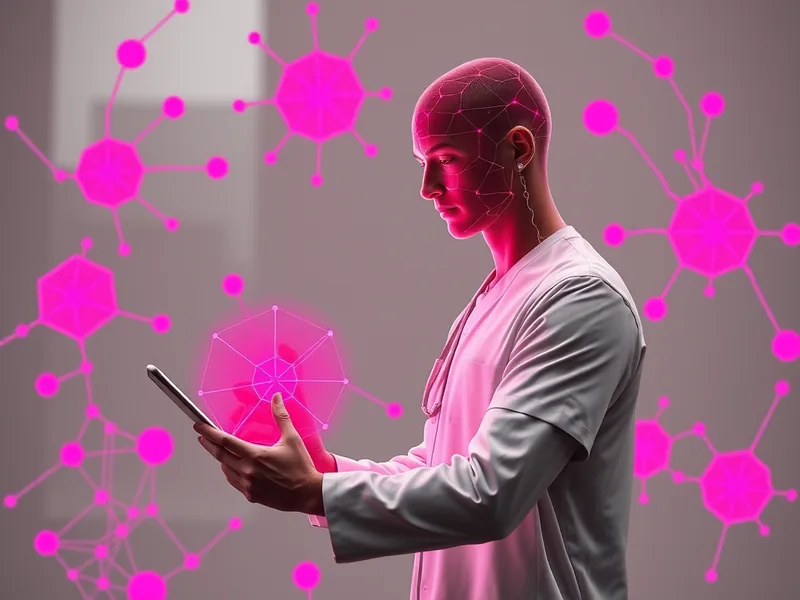
The benefits of AI are not limited to physical therapy alone. Across the healthcare spectrum, AI is being used to summarize charts, identify patterns in patient data, and even predict potential health issues before they become critical. By integrating these tools into their practice, clinicians can make more informed decisions and provide personalized care that addresses each patient’s unique needs.
However, it’s crucial to approach this integration with caution. AI should augment the strengths of physical therapy clinicians, not replace them. The technology is powerful but imperfect, and it must be used in a way that complements human expertise rather than undermines it. This balanced collaboration can lead to better outcomes for patients and more satisfying professional experiences for therapists.
The responsible integration of AI into physical therapy has the potential to transform patient care by addressing some of the most significant challenges in the field. By improving adherence, reducing administrative burdens, and providing real-time feedback, AI can help clinicians deliver more effective and personalized treatment. As we continue to explore these possibilities, it’s essential to remain grounded in evidence-based practice and prioritize the well-being of our patients above all else.
In a world where technology is rapidly advancing, the future of physical therapy lies in embracing these tools while maintaining the human touch that defines our profession. By doing so, we can ensure that every patient receives the best possible care, no matter their circumstances.
Tags
Original Sources
Bridging Movement and Machine Learning: How Clinicians Can Harness AI in Practice - MedCity News
↗ https://medcitynews.com/2026/06/bridging-movement-and-machine-learning-how-clinicians-can-harness-ai-in-practice
About the author
Amara's entry point into AI was an epidemiology role at a London research hospital, where she spent five years studying how digital health tools reached — or conspicuously failed to reach — underserved communities. Watching early algorithmic systems in healthcare quietly entrench existing inequalities, she redirected her career toward the systemic consequences of AI at scale. She covers AI through an unflinching lens: who benefits, who bears the cost, and what evidence actually says versus what the press release claims. Her writing is calm and precise, but she doesn't mistake balance for neutrality.
More from The Steward →This Week's Edition
15 June 2026
18 articles
Related Articles

Christina Applegate's MS Misdiagnosis Reveals a Painful Diagnostic Gap in Neurology
Health & Science · 5 min

IEEE Expands Smart City Advisory Services as Municipal Tech Budgets Grow
Products & Applications · 5 min

Robot Infants Are Being Built to Study Human Emotion. Should They Look So Real?
Products & Applications · 5 min
Related Articles
Christina Applegate's MS Misdiagnosis Reveals a Painful Diagnostic Gap in Neurology
Health & Science · 5 min
IEEE Expands Smart City Advisory Services as Municipal Tech Budgets Grow
Products & Applications · 5 min
Robot Infants Are Being Built to Study Human Emotion. Should They Look So Real?
Products & Applications · 5 min
More Stories
© 2026 Cedar & Bloom. All rights reserved.
