The Drum · Weekly AI news, freeSubscribe →

Share
Isomorphic Labs has raised a staggering $2.1 billion without revealing details about its drug pipeline, continuing a trend set by secretive techbio startups like Altos Labs and challenging transparency norms in the industry.
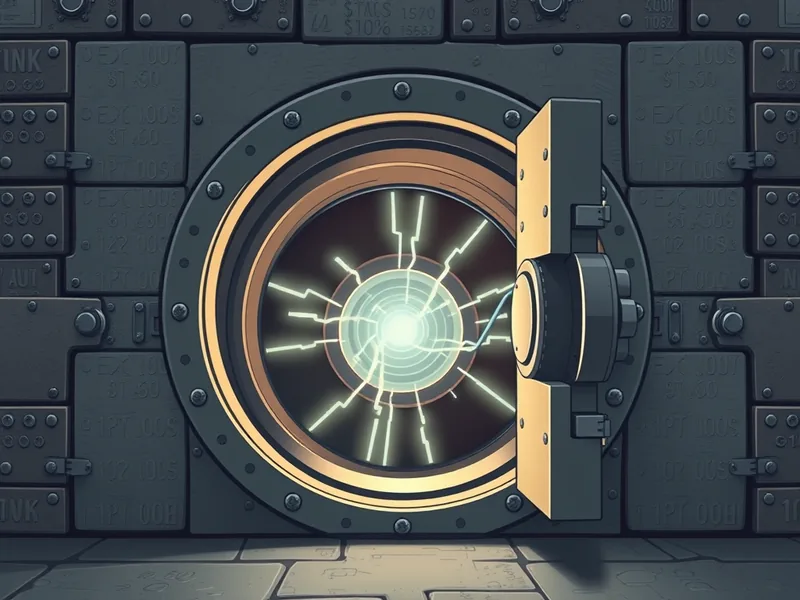
When a biotech startup raises a substantial round of funding, it typically comes with detailed information about its drug pipeline or lead candidates. However, Isomorphic Labs, a techbio subsidiary of Alphabet, has taken an unconventional approach by securing a massive $2.1 billion financing round without disclosing any specifics about the drugs it is developing or the diseases they target.
The biopharmaceutical community has seen this level of opacity before. In 2022, Altos Labs launched with a record-breaking $3 billion financing round, the largest ever for a biotech company, according to PitchBook. Like Isomorphic, Altos provided a broad vision of rejuvenating and restoring cells to reverse disease but offered no concrete details about its drug pipeline or clinical programs.
Isomorphic Labs is not your typical drug discovery company. Headquartered in London, it was spun out of DeepMind, another Alphabet subsidiary known for applying machine learning techniques to solve complex problems. The company's founder and CEO, Demis Hassabis, who also co-founded and leads DeepMind, envisions a unified computational drug design system that surpasses the predictive accuracy of AlphaFold 3, an AI model developed by Isomorphic and DeepMind.
AlphaFold 3 is renowned for its ability to predict the structure and interactions of molecules that make up life. This capability allows Isomorphic to identify molecules that can bind to specific disease targets and find binding sites on elusive targets. However, the company has been tight-lipped about its actual drug candidates and clinical plans, a stark contrast to traditional biotech companies.
Ben Zercher, senior biotech & pharma analyst at PitchBook, noted the lack of transparency in both Isomorphic Labs and Altos Labs. "Altos did cite scientific publications that supported their thesis, which is more preclinical direction than we have for Isomorphic Labs," he said. "But both companies gave far less transparency than is standard for biotech companies raising large rounds."
The $2.1 billion funding round for Isomorphic Labs underscores the growing confidence in AI-driven drug discovery. However, investors and analysts are left with more questions than answers. The lack of specific information about drug candidates or clinical trials raises concerns about the company's readiness and the potential risks associated with such a significant investment.
Despite these uncertainties, the backing from Alphabet and the expertise of Demis Hassabis lend credibility to Isomorphic Labs' mission. The company's focus on computational drug design could revolutionize the pharmaceutical industry by accelerating the discovery process and potentially reducing costs. For investors, this round of funding represents a high-stakes bet on the future of AI in healthcare.
As the biopharmaceutical landscape continues to evolve, it will be crucial for Isomorphic Labs to demonstrate tangible progress and provide more transparency about its pipeline. The success of this investment hinges on the company's ability to translate its cutting-edge technology into effective therapies that can make a meaningful impact on patient outcomes.
Tags
Original Sources
This TechBio Startup Just Raised $2B Without Disclosing a Single Detail About Its Drugs - MedCity News
↗ https://medcitynews.com/2026/05/isomorphic-labs-techbio-startup-ai-drug-discovery-alphabet-google-deepmind
About the author
Marcus began tracking AI's market implications in 2016, noticing AI-related patent filings accelerating ahead of earnings upgrades before most of the sell-side had caught on. A former fixed-income quantitative analyst, he spent two decades building models that priced risk across emerging markets before pivoting to cover the economic impact of AI full-time. His writing translates opaque technical developments into clear risk/reward terms — and he's rarely diplomatic about the gap between AI valuations and underlying fundamentals. He believes most market participants still underestimate AI's long-run deflationary effect on knowledge work.
More from The Analyst →This Week's Edition
14 May 2026
29 articles
Related Articles
Related Articles
More Stories
© 2026 Cedar & Bloom. All rights reserved.