The Drum · Weekly AI news, freeSubscribe →

Share
Ive's sleek designs meet Altman's AI expertise as they seek massive funding for a revolutionary device that blends human interaction with cutting-edge technology, potentially reshaping how we use gadgets daily.
The collaboration between Jony Ive, renowned for his design expertise at Apple, and Sam Altman, a leading figure in artificial intelligence through OpenAI, represents a significant convergence of design and technology. This partnership could redefine personal computing devices by integrating advanced AI capabilities into a user-friendly form factor. The potential market impact is substantial, especially if the product addresses current limitations in wearable tech and AI integration.
Details about the AI-powered device are sparse, but it is clear that it will not be a traditional smartphone. Given Altman's investment in the Humane AI pin, a screenless wearable device, it is plausible that the new product could follow a similar design philosophy. The Humane AI pin has been praised for its minimalist approach and seamless integration into daily life, suggesting that Ive and Altman may prioritize simplicity and elegance in their design.
Ive and Altman's unnamed startup is actively seeking funding from major venture capitalists, with a target of up to $1 billion. This ambitious goal underscores the scale of their vision and the potential market opportunity. Key investors showing interest include:
OpenAI itself may also own a stake in the business, further aligning the interests of the AI pioneer with this new venture. The involvement of such influential figures and organizations suggests strong confidence in the product's potential.
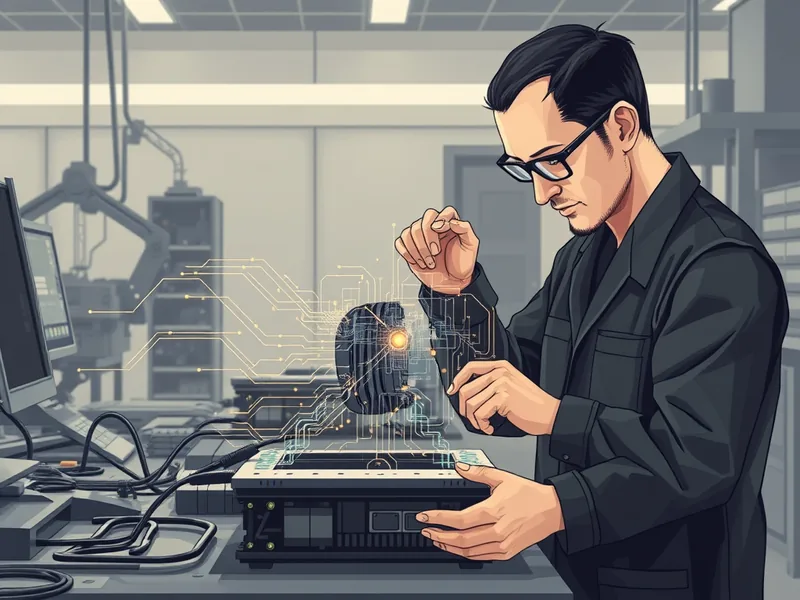
While the partnership brings together formidable talent and significant financial backing, several risks must be considered:
The potential rewards of this venture are substantial. A well-designed AI-powered personal device could:
The collaboration between Jony Ive and Sam Altman to develop an AI-powered personal device represents a bold move into the future of technology. With a funding goal of up to $1 billion and strong investor interest, this venture has the potential to reshape the personal computing landscape. However, navigating market competition, technological challenges, and regulatory hurdles will be critical to its success.
Tags
Original Sources
About the author
Marcus began tracking AI's market implications in 2016, noticing AI-related patent filings accelerating ahead of earnings upgrades before most of the sell-side had caught on. A former fixed-income quantitative analyst, he spent two decades building models that priced risk across emerging markets before pivoting to cover the economic impact of AI full-time. His writing translates opaque technical developments into clear risk/reward terms — and he's rarely diplomatic about the gap between AI valuations and underlying fundamentals. He believes most market participants still underestimate AI's long-run deflationary effect on knowledge work.
More from The Analyst →This Week's Edition
9 April 2024
29 articles
Related Articles
Related Articles
More Stories
© 2026 Cedar & Bloom. All rights reserved.