The Drum · Weekly AI news, freeSubscribe →
Share
A man faces charges after using AI to spread misinformation with a doctored image of Neukgu, the escaped zoo wolf, causing chaos and delaying the animal’s safe return.
When a 2-year-old wolf named Neukgu escaped from a zoo in Daejeon, South Korea, it sparked an urgent and nationwide search. The stakes were high, as Neukgu's safe return was crucial to ongoing efforts to revive the country’s wolf population, which had gone extinct in the wild by the 1960s. However, the situation took a troubling turn when a man used artificial intelligence (AI) to create a fake image of the wolf, leading to significant disruptions and legal consequences.
Neukgu's escape from the zoo on April 5th set off an extensive search involving drones, police, emergency workers, veterinarians, and community members. Animal rights activists were particularly concerned about the young wolf’s safety in the wild, fearing it might be injured or killed during the rescue efforts. South Korea’s President Lee Jae Myung reassured the public that the rescue teams would prioritize Neukgu's well-being.
The search was already intense when an AI-generated image of Neukgu at a busy intersection began circulating on social media just hours after his escape. This fake photo caused immediate panic and prompted the Daejeon city government to issue emergency text alerts warning residents about the presence of a wolf in the area. Police even used the image during a press briefing, diverting valuable resources to search the location depicted in the image.
The man responsible for creating the fake image, a 40-year-old South Korean citizen, was arrested by local authorities. He admitted to police that he created the image "for fun," according to reports from the BBC. However, the consequences of his actions are far from trivial. The man now faces serious charges and could be sentenced to up to five years in prison or fined up to $6,700 if found guilty of obstructing the investigation.
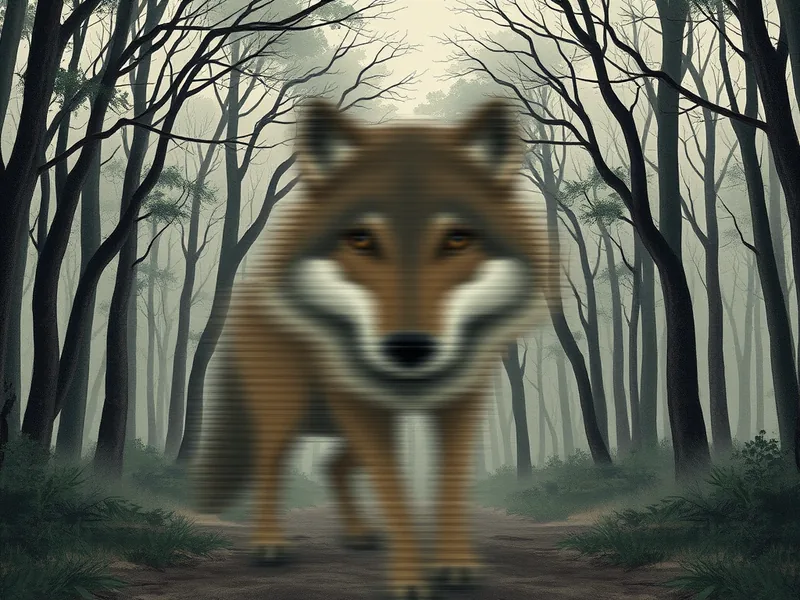
The use of AI to generate misleading content is a growing concern, especially when it can have real-world implications. In this case, the fake image not only caused unnecessary fear and panic among residents but also diverted critical resources away from the actual search efforts. This incident highlights the importance of verifying information, particularly in emergency situations where false information can have severe consequences.
Despite the initial setbacks, Neukgu was finally captured and returned to the zoo after nine days of searching. He is now recovering safely, though his brief escape has made him an internet sensation. A memecoin called "Neukgu" was even launched shortly after his return, with the website describing the wolf as a "brave wolf in search of freedom" and a "symbol of independence." The token's creators encourage fans to buy into the coin, capitalizing on Neukgu’s newfound fame.
This case serves as a stark reminder of the potential dangers of AI-generated content. While the technology itself is not inherently harmful, its misuse can have serious repercussions. As AI continues to evolve and become more accessible, it is crucial for both creators and consumers to be vigilant and responsible in how they use and share information.
Tags
Original Sources
About the author
Amara's entry point into AI was an epidemiology role at a London research hospital, where she spent five years studying how digital health tools reached — or conspicuously failed to reach — underserved communities. Watching early algorithmic systems in healthcare quietly entrench existing inequalities, she redirected her career toward the systemic consequences of AI at scale. She covers AI through an unflinching lens: who benefits, who bears the cost, and what evidence actually says versus what the press release claims. Her writing is calm and precise, but she doesn't mistake balance for neutrality.
More from The Steward →This Week's Edition
25 April 2026
29 articles
Related Articles

Seattle Children's Network Turns Data Trust Into Preventive Care Gains, With Lessons for Security Teams
Security & Risk · 6 min

Anthropic Gives Outside Safety Researchers the Same Access as Its Own Staff
Security & Risk · 5 min

Fitch Puts a Number on AI Risk: New Stress Test Flags Credit Exposure Across Four Sectors
Security & Risk · 5 min
Related Articles
Seattle Children's Network Turns Data Trust Into Preventive Care Gains, With Lessons for Security Teams
Security & Risk · 6 min
Anthropic Gives Outside Safety Researchers the Same Access as Its Own Staff
Security & Risk · 5 min
Fitch Puts a Number on AI Risk: New Stress Test Flags Credit Exposure Across Four Sectors
Security & Risk · 5 min
More Stories
© 2026 Cedar & Bloom. All rights reserved.
