The Drum · Weekly AI news, freeSubscribe →

Share
Microsoft snaps up Norway's former OpenAI data center, dubbed Stargate, to bolster its AI infrastructure with the country's bountiful green energy and cooling advantages.
Microsoft has secured a significant piece of real estate in Norway that previously housed OpenAI's data center, known as the Stargate site. This acquisition is part of Microsoft's broader strategy to expand its AI infrastructure and support growing computational demands.
For engineers and IT professionals, this move signals a few key trends and opportunities:
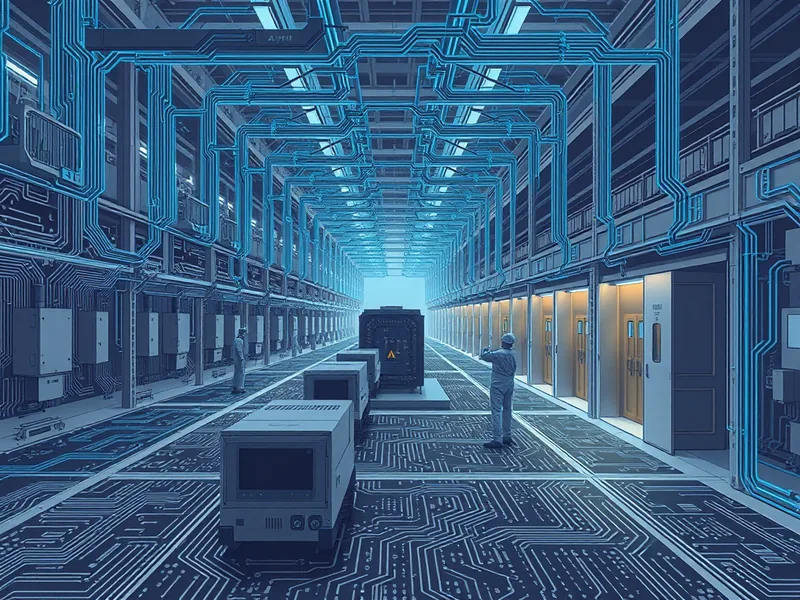
Microsoft's acquisition of the Stargate site in Norway represents a strategic investment in AI infrastructure. By leveraging Norway’s natural advantages, Microsoft can provide more powerful, efficient, and sustainable computing resources for its growing AI ecosystem. This move is likely to have a significant impact on both the performance and environmental sustainability of AI applications.
Tags
Original Sources
About the author
Kai built ML infrastructure at a Bay Area startup before developing an obsession with transformer architectures and inference optimisation that eventually pulled him out of product work entirely. A stint at a compute research lab sharpened his instinct for what actually matters in a model release versus what is marketing. He writes from the inside — from the perspective of someone who has debugged the systems he is describing at three in the morning. He is allergic to hype and instinctively drawn to the unglamorous plumbing questions that everyone else skips over.
More from The Engineer →This Week's Edition
15 April 2026
29 articles
Related Articles
Related Articles
More Stories
© 2026 Cedar & Bloom. All rights reserved.