The Drum · Weekly AI news, freeSubscribe →

Share
Microsoft's $33 billion deal spree cements its dominance in the cloud market, with a jaw-dropping purchase of 100,000 NVIDIA GPUs to supercharge internal AI operations and outpace competitors.
Microsoft has inked a series of significant deals with emerging cloud providers, collectively valued at $33 billion. Among these agreements, the standout is a partnership with Nebius, which alone secures 100,000 NVIDIA GB300 GPUs for Microsoft's internal data centers. This move underscores the tech giant’s strategic commitment to enhancing its AI capabilities and expanding its cloud infrastructure.
The acquisition of 100,000 NVIDIA GB300 GPUs is a substantial investment that will significantly bolster Microsoft's AI and machine learning capabilities. These GPUs are among the most powerful on the market, designed specifically for high-performance computing tasks such as training large language models and running complex simulations. By securing this hardware, Microsoft can accelerate its internal development projects and maintain a competitive edge in the rapidly evolving AI landscape.
The broader $33 billion deal with neoclouds like Nebius and CoreWeave is equally significant. Neoclouds are next-generation cloud providers that specialize in delivering high-performance computing resources at scale. These partnerships will enable Microsoft to offer more robust and flexible services to its enterprise clients, particularly those in data-intensive industries such as finance, healthcare, and automotive.
Despite the strategic advantages, this investment is not without risks. The AI market is highly competitive, with major players like Google, Amazon, and Meta also making significant investments in hardware and software. Microsoft will need to ensure that it can effectively integrate these new resources into its existing infrastructure and continue to innovate at a rapid pace.
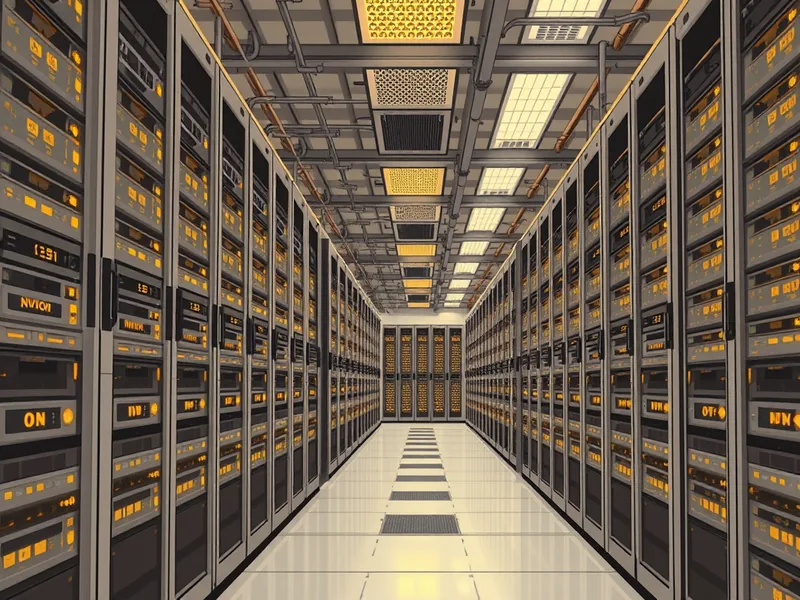
Moreover, the cost of maintaining and scaling this new hardware is substantial. The $33 billion investment represents a significant financial commitment, which could impact Microsoft's profitability in the short term. The company will need to carefully manage its capital allocation to balance these investments with other strategic initiatives.
The opportunity for Microsoft is multifaceted. By securing such a large number of high-performance GPUs, the company can significantly enhance its AI research and development capabilities. This will be crucial as it competes in areas like natural language processing, computer vision, and reinforcement learning, where computational power is a key differentiator.
Additionally, these partnerships with neoclouds position Microsoft to offer more advanced cloud services to its clients. As businesses increasingly rely on AI for operational efficiency and innovation, the demand for high-performance computing resources will continue to grow. By leveraging the capabilities of neocloud providers, Microsoft can meet this demand more effectively and capture a larger share of the growing AI market.
Microsoft's $33 billion investment in AI-powered cloud deals, including the acquisition of 100,000 NVIDIA GB300 GPUs, is a strategic move that aligns with its long-term vision for technological leadership. While there are risks associated with such a significant financial commitment, the potential rewards in terms of enhanced AI capabilities and expanded market opportunities make this a calculated and potentially transformative investment.
Tags
Original Sources
About the author
Marcus began tracking AI's market implications in 2016, noticing AI-related patent filings accelerating ahead of earnings upgrades before most of the sell-side had caught on. A former fixed-income quantitative analyst, he spent two decades building models that priced risk across emerging markets before pivoting to cover the economic impact of AI full-time. His writing translates opaque technical developments into clear risk/reward terms — and he's rarely diplomatic about the gap between AI valuations and underlying fundamentals. He believes most market participants still underestimate AI's long-run deflationary effect on knowledge work.
More from The Analyst →This Week's Edition
3 October 2025
29 articles
Related Articles
Related Articles
More Stories
© 2026 Cedar & Bloom. All rights reserved.