The Drum · Weekly AI news, freeSubscribe →
Share
Researchers have developed a millimeter-wave radar system that can identify different insect species, enabling precise and non-invasive monitoring of pollinators in their natural habitats.
Millimeter-wave (mmWave) radar technology has made significant strides in recent years, finding applications from automotive safety to environmental sensing. A new study published by IEEE Spectrum highlights an innovative use case: distinguishing between different insect species using mmWave radar for non-invasive pollinator tracking. This breakthrough could revolutionize how we monitor and protect vital pollinators like bees and butterflies.
The core of this system lies in its ability to capture detailed radar signatures from insects in flight. Here’s a breakdown of the key technical components:
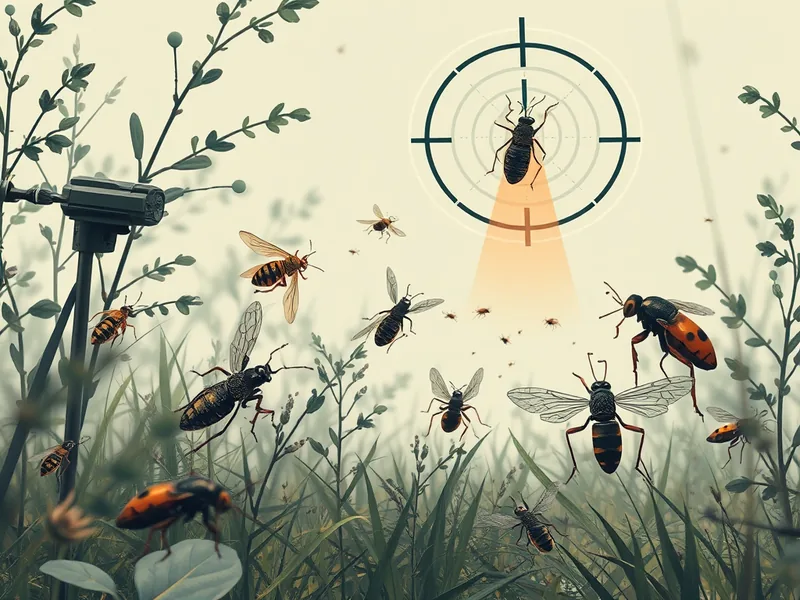
The practical implications of this technology are significant. Here’s how it can be applied in real-world scenarios:
This innovative use of mmWave radar technology opens new avenues for environmental research and conservation. By providing non-invasive and precise tracking capabilities, it can help us better understand and protect our vital pollinators.
Tags
Original Sources
Millimeter Waves Turn Tiny Insects Into Trackable Data
↗ https://spectrum.ieee.org/mmwave-radar-insects-pollinators
About the author
Kai built ML infrastructure at a Bay Area startup before developing an obsession with transformer architectures and inference optimisation that eventually pulled him out of product work entirely. A stint at a compute research lab sharpened his instinct for what actually matters in a model release versus what is marketing. He writes from the inside — from the perspective of someone who has debugged the systems he is describing at three in the morning. He is allergic to hype and instinctively drawn to the unglamorous plumbing questions that everyone else skips over.
More from The Engineer →This Week's Edition
3 June 2026
29 articles
Related Articles
Related Articles
More Stories
© 2026 Cedar & Bloom. All rights reserved.