The Drum · Weekly AI news, freeSubscribe →

Share
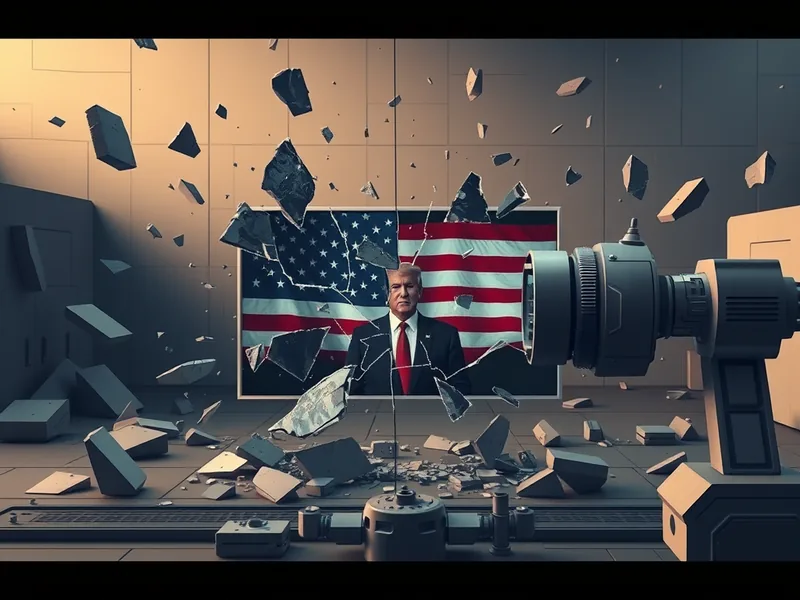
As U.S. Elections loom, Michigan and Arizona launch an AI task force to combat the growing menace of deepfakes, which could undermine voter confidence with fabricated media.
In a proactive move to safeguard the integrity of upcoming U.S. elections, Michigan and Arizona have joined forces to establish a new AI task force aimed at combating deepfakes. These sophisticated digital forgeries can create highly realistic but entirely fabricated audio or video content, posing significant risks to public trust and electoral processes.
Deepfakes are more than just a technological curiosity; they represent a serious threat to democratic processes. Imagine a scenario where a deepfake video of a candidate making inflammatory statements goes viral, swaying public opinion in the final days before an election. The consequences could be profound, eroding trust in the electoral system and leading to widespread confusion and misinformation.
To put it simply, deepfakes use artificial intelligence (AI) to superimpose one person’s face or voice onto another's body in a video or audio clip. This technology has advanced rapidly over the past few years, making it increasingly difficult for the average person to distinguish between real and fake content. The potential for misuse is vast, from political sabotage to personal defamation.
The AI task force, led by officials from Michigan and Arizona, aims to develop strategies and tools to detect and mitigate deepfake threats. Key areas of focus include:
Benefits:
Risks:
The establishment of this task force marks a significant step towards addressing the growing threat of deepfakes. However, it is just one part of a larger effort needed to protect democratic processes. Ongoing collaboration between tech experts, policymakers, and the public will be crucial in staying ahead of emerging threats.
As an informed citizen, you can play a vital role in this effort:
By working together, we can ensure that our elections remain free from manipulation and that trust in our democratic institutions is preserved.
Tags
Original Sources
About the author
Amara's entry point into AI was an epidemiology role at a London research hospital, where she spent five years studying how digital health tools reached — or conspicuously failed to reach — underserved communities. Watching early algorithmic systems in healthcare quietly entrench existing inequalities, she redirected her career toward the systemic consequences of AI at scale. She covers AI through an unflinching lens: who benefits, who bears the cost, and what evidence actually says versus what the press release claims. Her writing is calm and precise, but she doesn't mistake balance for neutrality.
More from The Steward →This Week's Edition
29 April 2026
29 articles
Related Articles

Seattle Children's Network Turns Data Trust Into Preventive Care Gains, With Lessons for Security Teams
Security & Risk · 6 min

Anthropic Gives Outside Safety Researchers the Same Access as Its Own Staff
Security & Risk · 5 min

Fitch Puts a Number on AI Risk: New Stress Test Flags Credit Exposure Across Four Sectors
Security & Risk · 5 min
Related Articles
Seattle Children's Network Turns Data Trust Into Preventive Care Gains, With Lessons for Security Teams
Security & Risk · 6 min
Anthropic Gives Outside Safety Researchers the Same Access as Its Own Staff
Security & Risk · 5 min
Fitch Puts a Number on AI Risk: New Stress Test Flags Credit Exposure Across Four Sectors
Security & Risk · 5 min
More Stories
© 2026 Cedar & Bloom. All rights reserved.
