The Drum · Weekly AI news, freeSubscribe →

Share
Camera giants Nikon, Sony, and Canon are integrating digital signatures into their cameras to ensure photos can be verified against AI-generated forgeries, bolstering trust in visual evidence in an era of deepfakes.
Nikon, Sony Group, and Canon are stepping up their game in the battle against AI-generated fakes by developing new camera technology that embeds digital signatures directly into images. This move is crucial as deepfakes become increasingly sophisticated and harder to distinguish from real photos.
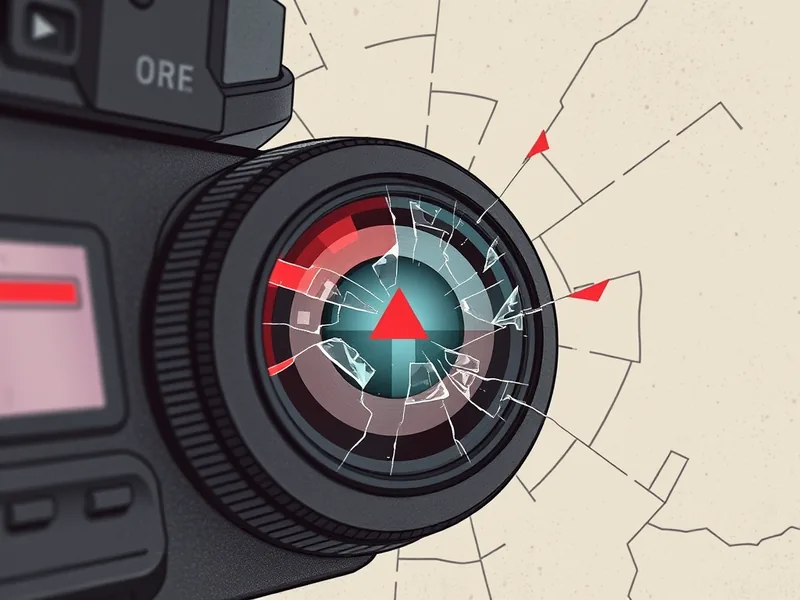
The development of camera technology that embeds digital signatures is a significant step forward in combating AI-generated fakes. By providing a reliable method to verify image authenticity, Nikon, Sony, and Canon are addressing a critical need in today's digital landscape. This innovation not only enhances security but also supports the integrity of visual content across various industries.
Tags
Original Sources
About the author
Kai built ML infrastructure at a Bay Area startup before developing an obsession with transformer architectures and inference optimisation that eventually pulled him out of product work entirely. A stint at a compute research lab sharpened his instinct for what actually matters in a model release versus what is marketing. He writes from the inside — from the perspective of someone who has debugged the systems he is describing at three in the morning. He is allergic to hype and instinctively drawn to the unglamorous plumbing questions that everyone else skips over.
More from The Engineer →This Week's Edition
4 January 2024
29 articles
Related Articles

Seattle Children's Network Turns Data Trust Into Preventive Care Gains, With Lessons for Security Teams
Security & Risk · 6 min

Anthropic Gives Outside Safety Researchers the Same Access as Its Own Staff
Security & Risk · 5 min

Fitch Puts a Number on AI Risk: New Stress Test Flags Credit Exposure Across Four Sectors
Security & Risk · 5 min
Related Articles
Seattle Children's Network Turns Data Trust Into Preventive Care Gains, With Lessons for Security Teams
Security & Risk · 6 min
Anthropic Gives Outside Safety Researchers the Same Access as Its Own Staff
Security & Risk · 5 min
Fitch Puts a Number on AI Risk: New Stress Test Flags Credit Exposure Across Four Sectors
Security & Risk · 5 min
More Stories
© 2026 Cedar & Bloom. All rights reserved.
