The Drum · Weekly AI news, freeSubscribe →

Share
NVIDIA's abrupt halt in VRAM supplies to partners signals a new phase in managing semiconductor shortages, potentially reshaping how GPUs are manufactured and impacting availability across the market.
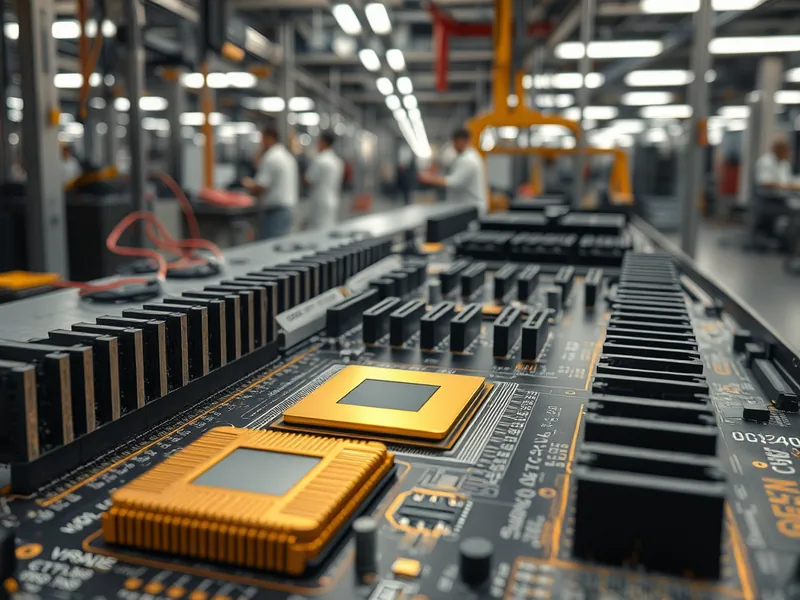
NVIDIA, a leading manufacturer of graphics processing units (GPUs), has reportedly ceased supplying video random access memory (VRAM) to its authorized board partners (ABPs). According to industry rumors, vendors will now only receive the GPU die and will be forced to source VRAM independently. This shift in strategy comes amid a global shortage of memory components, which is expected to have significant implications for the supply chain and market dynamics.
The decision by NVIDIA to stop supplying VRAM to its ABPs is a strategic move that reflects the current challenges in the semiconductor industry. The global shortage of memory chips has driven up prices and constrained production capabilities. By focusing on providing only the GPU die, NVIDIA aims to optimize its resources and maintain control over the supply chain.
This change will likely increase the burden on ABPs, who must now navigate a tight market for VRAM. This could lead to higher costs for end consumers, as ABPs may pass on the increased expenses to customers. Additionally, the availability of GPUs in the market may become more volatile, with potential delays and shortages affecting both consumers and businesses.
Supply Chain Disruptions: The shortage of VRAM is already causing disruptions in the supply chain. ABPs may struggle to secure the necessary memory components, leading to production bottlenecks and delays. This could result in a reduced number of GPUs available for purchase, exacerbating the existing market shortages.
Increased Costs: As ABPs are forced to source VRAM independently, they may face higher procurement costs due to the current market conditions. These increased costs are likely to be passed on to consumers, potentially making GPUs more expensive and less accessible.
Innovation in Memory Solutions: The current crisis may drive innovation in memory technology. ABPs and other stakeholders might explore alternative materials or advanced manufacturing techniques to mitigate the shortage. This could lead to more efficient and cost-effective VRAM solutions in the long term.
Strengthening Relationships with Suppliers: ABPs will need to build strong relationships with multiple VRAM suppliers to ensure a steady supply of components. These partnerships could provide a competitive advantage, as companies that can secure reliable sources of VRAM may be better positioned in the market.
Diversification of Product Offerings: The increased costs and potential shortages of GPUs could encourage ABPs to diversify their product offerings. This might include exploring other segments of the market, such as enterprise solutions or specialized applications, which could provide new revenue streams.
NVIDIA's decision to halt VRAM supply to its ABPs is a response to the global memory chip shortage and reflects the company's strategic approach to managing resources in a constrained market. While this move presents significant risks, including supply chain disruptions and increased costs, it also opens up opportunities for innovation and strengthened supplier relationships. The impact on the GPU market will be closely monitored as stakeholders navigate these challenges.
Tags
Original Sources
About the author
Marcus began tracking AI's market implications in 2016, noticing AI-related patent filings accelerating ahead of earnings upgrades before most of the sell-side had caught on. A former fixed-income quantitative analyst, he spent two decades building models that priced risk across emerging markets before pivoting to cover the economic impact of AI full-time. His writing translates opaque technical developments into clear risk/reward terms — and he's rarely diplomatic about the gap between AI valuations and underlying fundamentals. He believes most market participants still underestimate AI's long-run deflationary effect on knowledge work.
More from The Analyst →This Week's Edition
28 November 2025
29 articles
Related Articles
Related Articles
More Stories
© 2026 Cedar & Bloom. All rights reserved.