The Drum · Weekly AI news, freeSubscribe →

Share
Nvidia navigates U.S. Export controls by introducing an affordable Blackwell chip for China, priced up to 40% lower than its restricted models, aiming to maintain market presence amid regulatory challenges.
Nvidia, a leading technology company in artificial intelligence (AI) and graphics processing units (GPUs), is set to launch a new, more affordable AI chipset specifically designed for the Chinese market. According to sources familiar with the matter, the new GPU will be part of Nvidia’s latest Blackwell-architecture processors and is expected to cost between $6,500 and $8,000, significantly lower than the $10,000-$12,000 price range of its previously restricted H20 model. The company plans to begin mass production as early as June.
The launch of this new AI chipset is a strategic move by Nvidia to maintain its market presence in China despite stringent U.S. export restrictions on advanced technology. These restrictions, imposed to curb the development of high-performance computing and AI capabilities in China, have forced companies like Nvidia to adapt their product offerings. By introducing a more affordable chip with slightly reduced specifications, Nvidia aims to continue serving the Chinese market while complying with regulatory requirements.
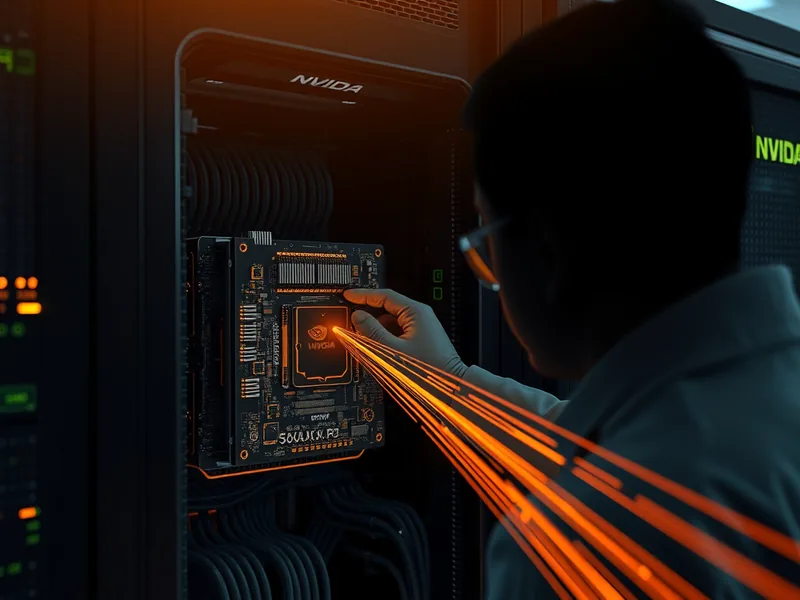
The new GPU will be based on Nvidia's RTX Pro 6000D, a server-class graphics processor. It will use conventional GDDR7 memory instead of more advanced high bandwidth memory (HBM), which is typically used in higher-end models. Additionally, it will not utilize Taiwan Semiconductor Manufacturing Co.'s (TSMC) advanced Chip-on-Wafer-on-Substrate (CoWoS) packaging technology, further simplifying the manufacturing process and reducing costs.
An Nvidia spokesperson acknowledged that the company is still evaluating its "limited" options. "Until we settle on a new product design and receive approval from the U.S. government, we are effectively foreclosed from China's $50 billion market," the spokesperson said.
Nvidia’s decision to launch a more affordable AI chipset for China demonstrates the company’s adaptability and strategic foresight in navigating complex regulatory environments. While there are significant risks involved, the potential rewards of maintaining access to one of the world’s largest tech markets make this a calculated move that could pay off in the long run.
Tags
Original Sources
About the author
Marcus began tracking AI's market implications in 2016, noticing AI-related patent filings accelerating ahead of earnings upgrades before most of the sell-side had caught on. A former fixed-income quantitative analyst, he spent two decades building models that priced risk across emerging markets before pivoting to cover the economic impact of AI full-time. His writing translates opaque technical developments into clear risk/reward terms — and he's rarely diplomatic about the gap between AI valuations and underlying fundamentals. He believes most market participants still underestimate AI's long-run deflationary effect on knowledge work.
More from The Analyst →This Week's Edition
26 May 2025
29 articles
Related Articles
Related Articles
More Stories
© 2026 Cedar & Bloom. All rights reserved.