The Drum · Weekly AI news, freeSubscribe →

Share
OpenAI and Microsoft have联手行动,破坏了五个国家支持的黑客组织,这些组织企图滥用人工智能进行网络攻击和情报收集,此举旨在保护数字生态系统和人类福祉。
In a significant move to protect digital ecosystems and human welfare, OpenAI has taken action against state-affiliated threat actors who were attempting to misuse AI tools for malicious purposes. This collaborative effort with Microsoft Threat Intelligence has led to the disruption of five specific state-affiliated groups, each with their own unique methods and objectives.
The use of artificial intelligence (AI) by state-sponsored actors is a growing concern in the realm of cybersecurity. These groups can leverage AI to enhance their capabilities in areas such as cyber espionage, misinformation campaigns, and targeted attacks on critical infrastructure. By disrupting these activities, OpenAI and Microsoft are not only protecting their users but also contributing to a safer digital world for everyone.
The five state-affiliated threat actors identified and disrupted by OpenAI include:
OpenAI's approach to detecting and disrupting these threat actors involved a combination of advanced monitoring techniques and collaboration with Microsoft Threat Intelligence. The process included:
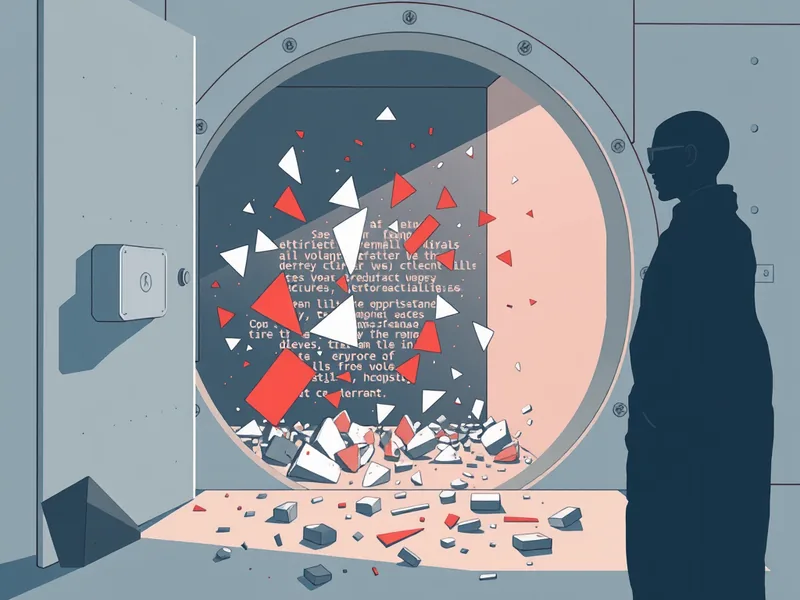
The disruption of these threat actors highlights the importance of ethical AI use. While AI tools have the potential to revolutionize various fields, they can also be misused if not properly regulated. OpenAI's actions demonstrate a commitment to responsible AI development and deployment, ensuring that their technology is used for good rather than harm.
The long-term consequences of this disruption are multifaceted:
The collaboration between OpenAI and Microsoft to disrupt state-affiliated threat actors is a significant step towards a safer digital world. By taking proactive measures to prevent the misuse of AI, these organizations are setting a positive example for responsible technology stewardship. As AI continues to evolve, it is crucial that all stakeholders remain vigilant and committed to ethical practices.
Tags
Original Sources
About the author
Amara's entry point into AI was an epidemiology role at a London research hospital, where she spent five years studying how digital health tools reached — or conspicuously failed to reach — underserved communities. Watching early algorithmic systems in healthcare quietly entrench existing inequalities, she redirected her career toward the systemic consequences of AI at scale. She covers AI through an unflinching lens: who benefits, who bears the cost, and what evidence actually says versus what the press release claims. Her writing is calm and precise, but she doesn't mistake balance for neutrality.
More from The Steward →This Week's Edition
15 February 2024
29 articles
Related Articles

Seattle Children's Network Turns Data Trust Into Preventive Care Gains, With Lessons for Security Teams
Security & Risk · 6 min

Anthropic Gives Outside Safety Researchers the Same Access as Its Own Staff
Security & Risk · 5 min

Fitch Puts a Number on AI Risk: New Stress Test Flags Credit Exposure Across Four Sectors
Security & Risk · 5 min
Related Articles
Seattle Children's Network Turns Data Trust Into Preventive Care Gains, With Lessons for Security Teams
Security & Risk · 6 min
Anthropic Gives Outside Safety Researchers the Same Access as Its Own Staff
Security & Risk · 5 min
Fitch Puts a Number on AI Risk: New Stress Test Flags Credit Exposure Across Four Sectors
Security & Risk · 5 min
More Stories
© 2026 Cedar & Bloom. All rights reserved.
