The Drum · Weekly AI news, freeSubscribe →

Share
As OpenAI battles Georgia radio host Mark Walters in court over defamatory statements by ChatGPT, the case highlights growing concerns about AI liability for false information spread online.
OpenAI is set to defend itself in court against a defamation suit filed by Georgia radio host Mark Walters, following the denial of its motion to dismiss. The case centers on fabricated statements generated by ChatGPT, which Walters claims defamed him. This ruling marks a significant step in determining AI liability for misleading content.
The implications of this lawsuit extend far beyond OpenAI and Walters. As AI-generated content becomes increasingly prevalent, the legal framework surrounding defamation and liability remains unclear. A ruling against OpenAI could set a precedent that holds AI developers accountable for the actions of their models, potentially reshaping how companies design and deploy AI systems.
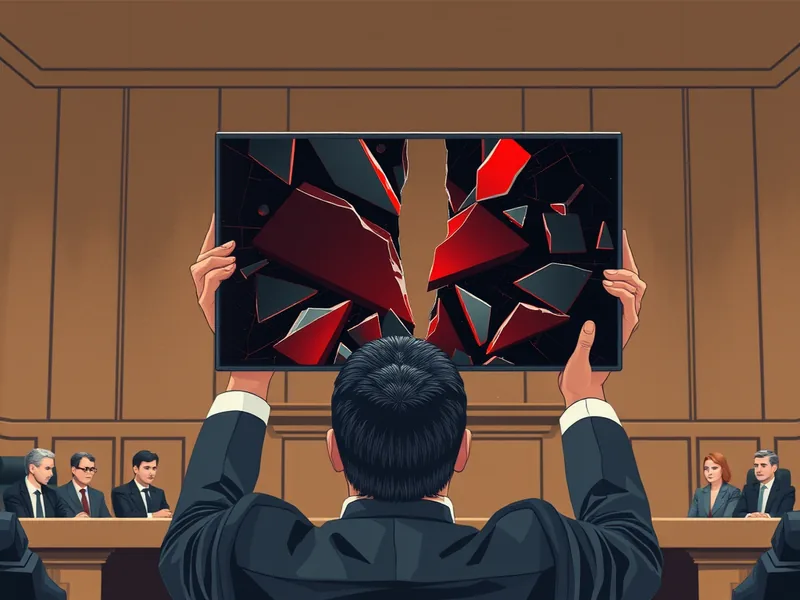
Mark Walters filed the defamation suit after discovering that ChatGPT had fabricated statements about him in response to user queries. OpenAI argued that ChatGPT’s output cannot be considered a “publication” and that Walters could not prove actual malice or harm from the alleged defamatory content. However, Judge Tracie Cason denied OpenAI's motion to dismiss, allowing the case to proceed.
In her order, Judge Cason did not specify her reasoning but noted that she had "carefully" considered the arguments and applicable laws. John Monroe, Walters' attorney, argued that OpenAI improperly moved to dismiss the lawsuit by basing its arguments on facts not yet proven in court. He contended that a motion for summary judgment would have been more appropriate at this stage, which would have allowed Walters to present additional evidence.
OpenAI maintains that ChatGPT's output should not be held to traditional libel standards because it is an AI-generated response and not a deliberate publication. The company argues that the platform cannot act with actual malice or intent to harm, key elements in defamation claims. However, this legal theory will now face its first real test in court.
With the motion to dismiss denied, OpenAI and Walters will proceed to the discovery phase, where both parties will gather evidence to support their claims. The case is expected to provide valuable insights into the legal responsibilities of AI developers and the potential consequences of AI-generated misinformation.
"We are pleased the court denied the motion to dismiss so that the parties will have an opportunity to explore, and obtain a decision on, the merits of the case," Monroe told Ars.
Tags
Original Sources
About the author
Marcus began tracking AI's market implications in 2016, noticing AI-related patent filings accelerating ahead of earnings upgrades before most of the sell-side had caught on. A former fixed-income quantitative analyst, he spent two decades building models that priced risk across emerging markets before pivoting to cover the economic impact of AI full-time. His writing translates opaque technical developments into clear risk/reward terms — and he's rarely diplomatic about the gap between AI valuations and underlying fundamentals. He believes most market participants still underestimate AI's long-run deflationary effect on knowledge work.
More from The Analyst →This Week's Edition
18 January 2024
29 articles
Related Articles

Seattle Children's Network Turns Data Trust Into Preventive Care Gains, With Lessons for Security Teams
Security & Risk · 6 min
Anthropic Gives Outside Safety Researchers the Same Access as Its Own Staff
Security & Risk · 5 min

Fitch Puts a Number on AI Risk: New Stress Test Flags Credit Exposure Across Four Sectors
Security & Risk · 5 min
Related Articles
Seattle Children's Network Turns Data Trust Into Preventive Care Gains, With Lessons for Security Teams
Security & Risk · 6 min
Anthropic Gives Outside Safety Researchers the Same Access as Its Own Staff
Security & Risk · 5 min
Fitch Puts a Number on AI Risk: New Stress Test Flags Credit Exposure Across Four Sectors
Security & Risk · 5 min
More Stories
© 2026 Cedar & Bloom. All rights reserved.
