The Drum · Weekly AI news, freeSubscribe →
Share
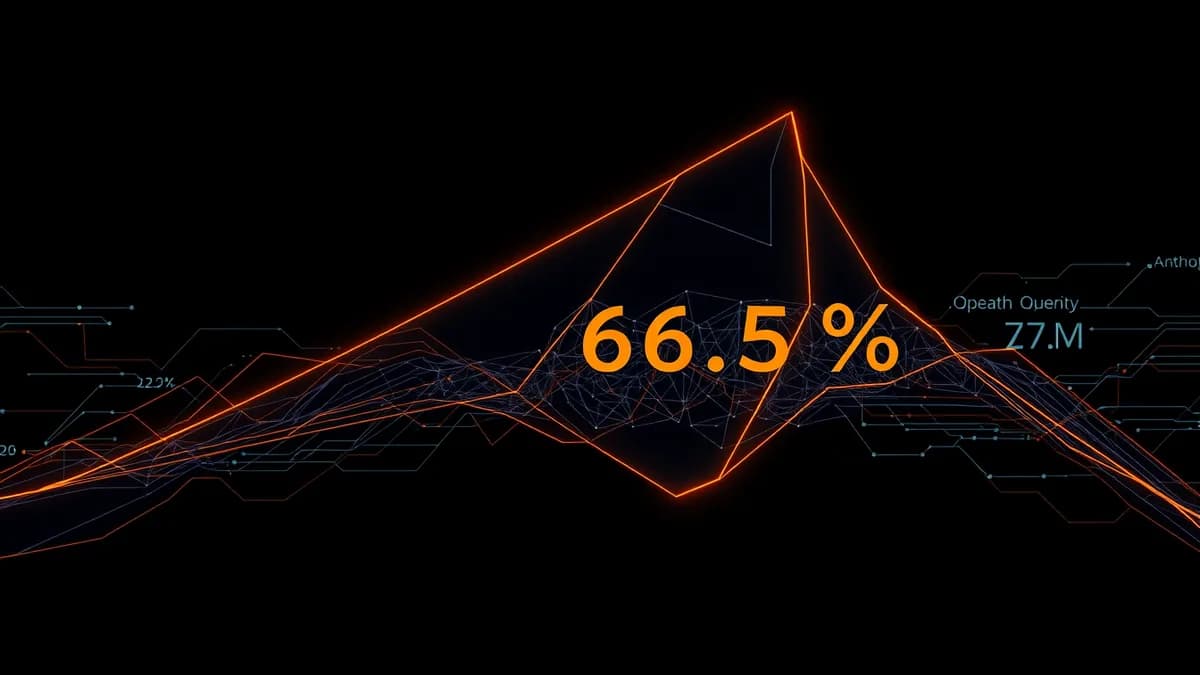
As OpenAI leads with a 36.5% penetration rate, Anthropic's rapid ascent to 12.1% hints at a shifting landscape, with velocity curves indicating potential for significant disruption in the large language model market.
OpenAI currently dominates the landscape of large language model (LLM) spend among U.S. businesses, with a penetration rate of 36.5%. However, recent data from Ramp Economics Lab reveals that Anthropic is gaining significant momentum, with a 12.1% adoption rate. The overall business adoption of LLMs stands at 44.5%, but the velocity curves and strategic implications suggest a more nuanced story.
The latest data from Ramp provides a unique lens into the AI market, focusing on credit card transactions for discrete AI tool purchases rather than enterprise contracts or bundled cloud spending. This distinction is crucial because it reveals the "prosumer enterprise" segment-small to mid-sized businesses (SMBs) and startups making tactical AI purchases. However, this data also has significant limitations that must be considered when assessing the true market dynamics.
OpenAI's current dominance in discrete AI purchases is clear, but the velocity curves and strategic implications suggest a more dynamic future. Anthropic's growing momentum and the limitations of credit card data highlight the need for a comprehensive approach to understanding the AI market. SaaS leaders should consider both tactical and strategic factors when assessing market share and planning their go-to-market strategies.
Tags
Original Sources
About the author
Marcus began tracking AI's market implications in 2016, noticing AI-related patent filings accelerating ahead of earnings upgrades before most of the sell-side had caught on. A former fixed-income quantitative analyst, he spent two decades building models that priced risk across emerging markets before pivoting to cover the economic impact of AI full-time. His writing translates opaque technical developments into clear risk/reward terms — and he's rarely diplomatic about the gap between AI valuations and underlying fundamentals. He believes most market participants still underestimate AI's long-run deflationary effect on knowledge work.
More from The Analyst →This Week's Edition
18 September 2025
29 articles
Related Articles
Related Articles
More Stories
© 2026 Cedar & Bloom. All rights reserved.