The Drum · Weekly AI news, freeSubscribe →

Share
OpenAI aims to revolutionize AI by investing a staggering $1 trillion in new infrastructure, setting the stage for unparalleled advancements in technology and industry transformation.
OpenAI, a leading artificial intelligence (AI) research and deployment company, has unveiled ambitious plans to expand its computing power on an unprecedented scale. The startup, known for groundbreaking AI models like ChatGPT, is setting up operations in the Texas prairie, positioning itself at the forefront of the AI boom. OpenAI's vision includes facilitating a $1 trillion investment in infrastructure over the next decade.
The expansion of computing power is critical for advancing AI capabilities and applications across various industries. OpenAI's plans not only signal a significant technological leap but also highlight the massive financial commitment required to sustain such growth. The company’s strategic location in Texas, known for its favorable business environment and abundant renewable energy resources, underscores its long-term vision.
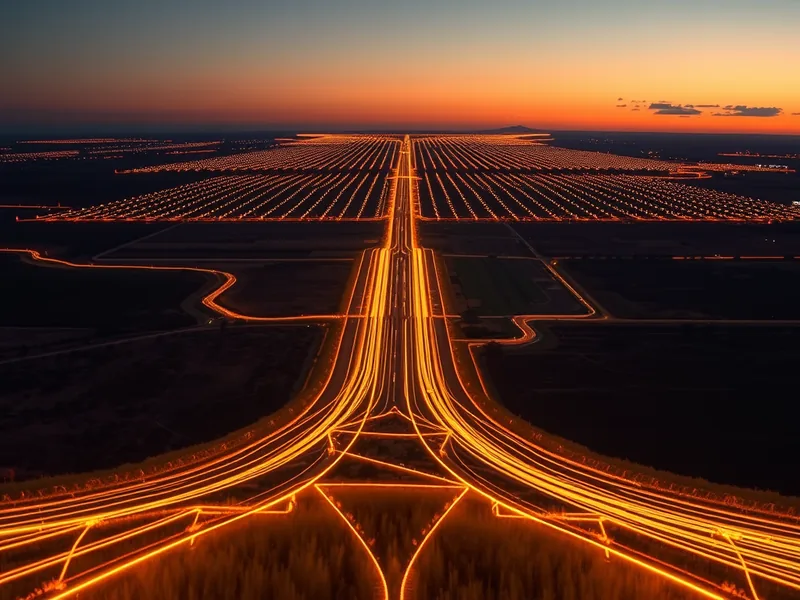
OpenAI has partnered with Oracle and SoftBank to support its ambitious infrastructure projects. Oracle, a leading cloud service provider, will play a crucial role in managing the data centers’ operations and ensuring high performance and reliability. SoftBank, known for its significant investments in technology, is providing financial backing and strategic guidance.
OpenAI’s commitment to sustainability is evident in its choice of location. Texas, with its vast wind and solar resources, offers a reliable source of renewable energy. The company has also outlined plans to implement advanced cooling systems and other efficiency measures to minimize the environmental footprint of its data centers.
OpenAI's plans for a seemingly limitless expansion of computing power represent a significant milestone in the AI industry. While the financial and regulatory challenges are considerable, the potential rewards-both technological and economic-are substantial. As OpenAI continues to push the boundaries of what is possible with AI, it sets a new standard for innovation and sustainability.
Tags
Original Sources
About the author
Marcus began tracking AI's market implications in 2016, noticing AI-related patent filings accelerating ahead of earnings upgrades before most of the sell-side had caught on. A former fixed-income quantitative analyst, he spent two decades building models that priced risk across emerging markets before pivoting to cover the economic impact of AI full-time. His writing translates opaque technical developments into clear risk/reward terms — and he's rarely diplomatic about the gap between AI valuations and underlying fundamentals. He believes most market participants still underestimate AI's long-run deflationary effect on knowledge work.
More from The Analyst →This Week's Edition
24 September 2025
29 articles
Related Articles
Related Articles
More Stories
© 2026 Cedar & Bloom. All rights reserved.