The Drum · Weekly AI news, freeSubscribe →

Share
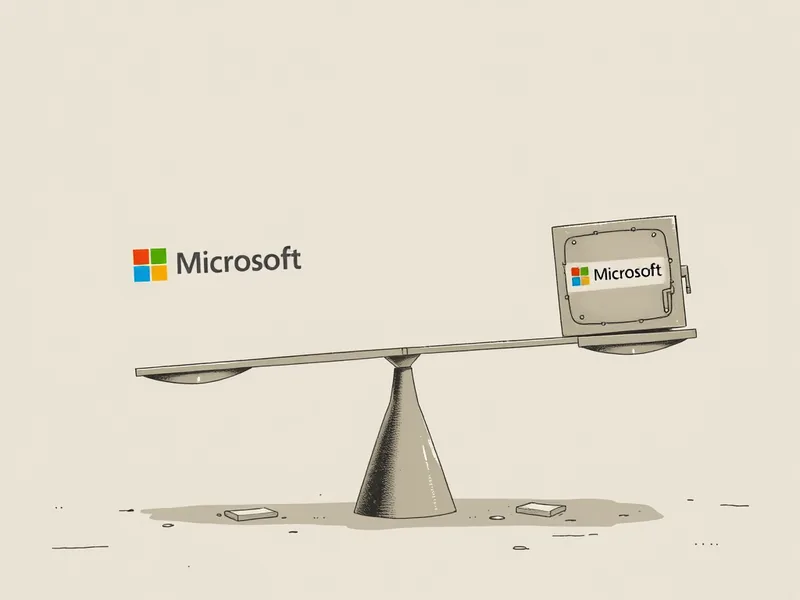
As OpenAI scales back its revenue-sharing agreement with Microsoft to just 8% by 2030, questions arise about the future dynamics of their partnership and the implications for both companies' financial health.
OpenAI has projected that by the end of the decade, it will be sharing about 8% of its revenue with commercial partners, primarily Microsoft (MSFT.O), down from the current 20%, according to a report by The Information. This reduction in revenue share is expected to result in over $50 billion in additional revenue for OpenAI, though it remains unclear whether this figure represents an accumulative or annual amount.
The significant shift in revenue sharing terms underscores the evolving relationship between OpenAI and Microsoft. As OpenAI transitions from a nonprofit to a for-profit entity, these changes are critical for its financial strategy and long-term sustainability. The reduced revenue share could provide OpenAI with more flexibility and capital to invest in research and development, while also enhancing its market position.
Despite the potential benefits, several risks accompany this new arrangement:
The shift in revenue sharing presents several opportunities for OpenAI:
Bret Taylor, chairman of OpenAI's nonprofit board, highlighted that under current terms, the nonprofit arm would receive more than $100 billion. This makes it one of the world's most well-funded nonprofit operations. The transition to a for-profit structure is part of a broader strategy to ensure sustainable growth and innovation.
Microsoft and OpenAI announced on Thursday that they have signed a non-binding deal for new relationship terms, which will allow OpenAI to restructure itself into a for-profit company. This move is expected to enhance both companies' strategic alignment and operational efficiency.
The projected reduction in revenue sharing from 20% to 8% by the end of the decade represents a significant shift in the partnership between OpenAI and Microsoft. While this change offers substantial financial benefits and opportunities for innovation, it also introduces new risks and challenges. As negotiations continue, the outcome will have far-reaching implications for both companies and the broader AI landscape.
Tags
Original Sources
About the author
Marcus began tracking AI's market implications in 2016, noticing AI-related patent filings accelerating ahead of earnings upgrades before most of the sell-side had caught on. A former fixed-income quantitative analyst, he spent two decades building models that priced risk across emerging markets before pivoting to cover the economic impact of AI full-time. His writing translates opaque technical developments into clear risk/reward terms — and he's rarely diplomatic about the gap between AI valuations and underlying fundamentals. He believes most market participants still underestimate AI's long-run deflationary effect on knowledge work.
More from The Analyst →This Week's Edition
16 September 2025
29 articles
Related Articles
Related Articles
More Stories
© 2026 Cedar & Bloom. All rights reserved.