The Drum · Weekly AI news, freeSubscribe →

Share
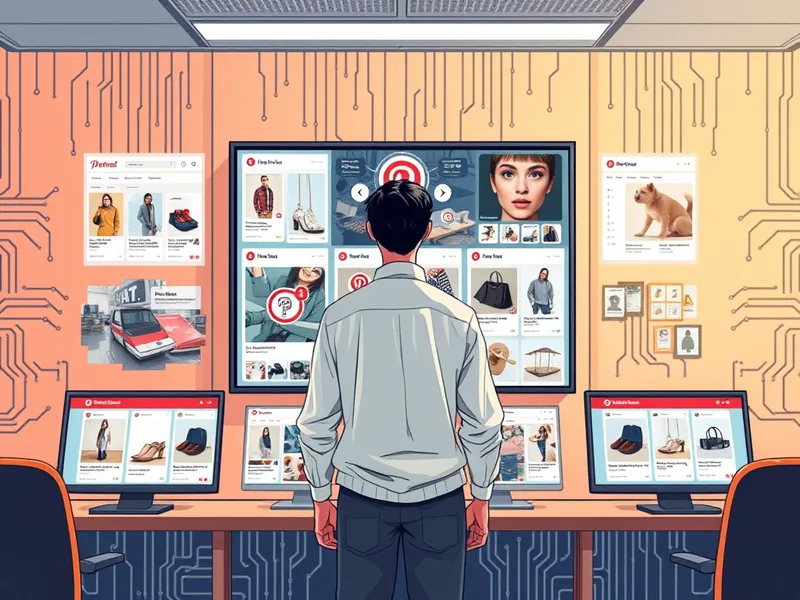
As OpenAI explores a potential acquisition of Pinterest, analysts speculate how integrating AI could revolutionize visual commerce, enhancing user experience through smarter image recommendations and personalized content.
OpenAI is reportedly considering an acquisition of Pinterest, according to a prediction by The Information in its 2026 forecast. This news has already caused a 3% jump in Pinterest’s stock price. While the deal remains speculative, it offers valuable insights into the strategic direction of both companies and the broader landscape of visual commerce. Let's break down the implications.
Pinterest operates as a visual search app with social elements, where users create "boards" to save images (or "pins") related to their interests-recipes, fashion, home decor, and more. The platform combines social features such as sharing boards and following other users with a robust commerce infrastructure. Verified merchants can post product pins that link directly to product pages or checkout processes, making Pinterest a potent tool for driving conversions.
Pinterest’s standout feature is its visual search capability, which allows users to upload images and receive near-instant results. This speed is due to traditional machine learning (ML) algorithms rather than large language models (LLMs), which are slower in response times. The platform's user data is highly valuable, with strong conversion metrics compared to other social networks. When a user saves an image of a New Balance shoe on their "shoes" board, there is a high likelihood that it will lead to a purchase.
Pinterest’s business model primarily revolves around its ad network, which presents ads to users while they browse and scroll through boards. Key figures include:
While ChatGPT has revolutionized text-based interactions, it lacks the visual efficiency and commerce capabilities that Pinterest excels in. The user journey on Pinterest-where a user uploads an image of something they like, is shown similar items, saves them, and eventually makes a purchase-is a powerful funnel. This process creates a strong intent → relevant products graph, which Pinterest has mastered.
ChatGPT’s current limitations in visual search and product recommendation are significant. Integrating Pinterest's technology could address these gaps, enhancing ChatGPT's ability to drive commerce. For example, if a user asks ChatGPT for outfit ideas, the model could leverage Pinterest’s database to provide visually appealing and contextually relevant results.
The potential acquisition of Pinterest by OpenAI would be a strategic move with several key implications:
Despite the potential benefits, there are several risks to consider:
The potential acquisition of Pinterest by OpenAI represents a significant opportunity for both companies and the broader market:
Tags
Original Sources
About the author
Marcus began tracking AI's market implications in 2016, noticing AI-related patent filings accelerating ahead of earnings upgrades before most of the sell-side had caught on. A former fixed-income quantitative analyst, he spent two decades building models that priced risk across emerging markets before pivoting to cover the economic impact of AI full-time. His writing translates opaque technical developments into clear risk/reward terms — and he's rarely diplomatic about the gap between AI valuations and underlying fundamentals. He believes most market participants still underestimate AI's long-run deflationary effect on knowledge work.
More from The Analyst →This Week's Edition
6 January 2026
29 articles
Related Articles
Related Articles
More Stories
© 2026 Cedar & Bloom. All rights reserved.