The Drum · Weekly AI news, freeSubscribe →

Share
Altman aims to revolutionize AI hardware by securing billions for new chip factories, signaling concerns over existing suppliers' ability to keep pace with rapid technological advancements in artificial intelligence.
OpenAI CEO Sam Altman is embarking on an ambitious project to raise billions of dollars for the establishment of a network of AI chip factories. This move underscores Altman's belief that current leading foundries may not be able to meet the growing demands of advanced AI technologies in the future.
The semiconductor industry has been grappling with supply chain disruptions and high demand, particularly during the pandemic when chip prices soared. While those challenges have somewhat subsided, the long-term outlook for AI-specific chips remains uncertain. Altman's initiative to set up his own network of factories is a strategic move aimed at securing a stable and reliable supply of advanced AI processors.
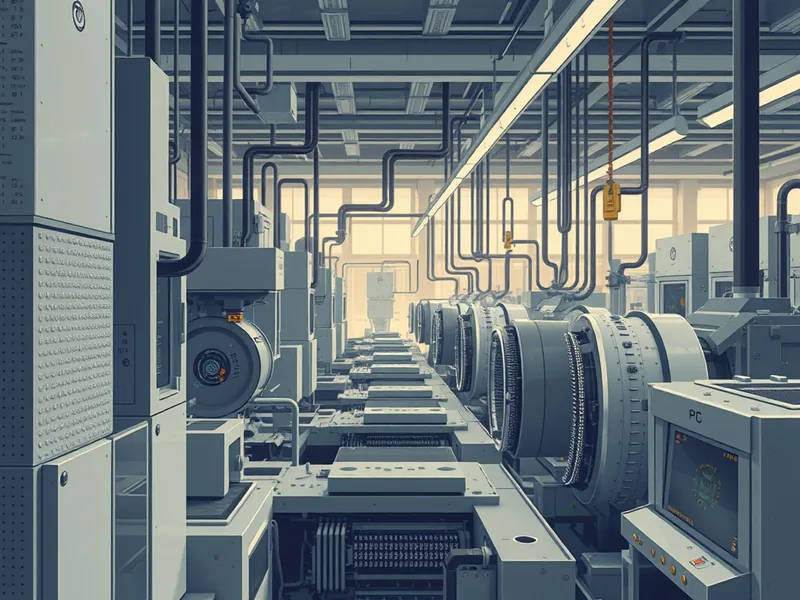
The trend of major tech companies developing their own custom chipsets is not new. For instance, Google has been building its Tensor chipsets for several years. Initially, they relied on Samsung's foundry to manufacture these chips, but with the next-generation Tensor G5, they are likely to switch to TSMC. This shift highlights the importance of having a reliable and flexible supply chain in the rapidly evolving AI landscape.
Altman is already in active discussions with potential investors to raise the necessary funds. The scale of investment required suggests that he is seeking commitments from large institutional investors, private equity firms, and possibly even strategic partners within the tech industry. The success of this fundraising effort will be crucial for the project's viability.
Sam Altman's decision to invest in AI chip factories reflects a forward-looking strategy aimed at addressing long-term supply chain challenges and securing OpenAI's position as a leader in advanced AI technologies. While the risks are significant, the potential rewards could be transformative for both OpenAI and the broader AI industry.
Tags
Original Sources
About the author
Marcus began tracking AI's market implications in 2016, noticing AI-related patent filings accelerating ahead of earnings upgrades before most of the sell-side had caught on. A former fixed-income quantitative analyst, he spent two decades building models that priced risk across emerging markets before pivoting to cover the economic impact of AI full-time. His writing translates opaque technical developments into clear risk/reward terms — and he's rarely diplomatic about the gap between AI valuations and underlying fundamentals. He believes most market participants still underestimate AI's long-run deflationary effect on knowledge work.
More from The Analyst →This Week's Edition
22 January 2024
24 articles
Related Articles
Related Articles
More Stories
© 2026 Cedar & Bloom. All rights reserved.