The Drum · Weekly AI news, freeSubscribe →

Share
FlashAttention 4 leverages intricate kernel optimizations and new hardware features of NVIDIA Blackwell to slash compute and memory bottlenecks, delivering unprecedented speed and efficiency in deep learning tasks.
NVIDIA’s latest advancements in deep learning frameworks continue to push the boundaries of what's possible, especially when it comes to addressing compute and memory bottlenecks. One of the key innovations is the introduction of FlashAttention 4, a highly optimized implementation designed for the new NVIDIA Blackwell architecture. This article delves into the technical details and why this matters for practitioners in the field.
FlashAttention 4 introduces several optimizations that significantly enhance performance and efficiency:
For deep learning practitioners, these changes mean:
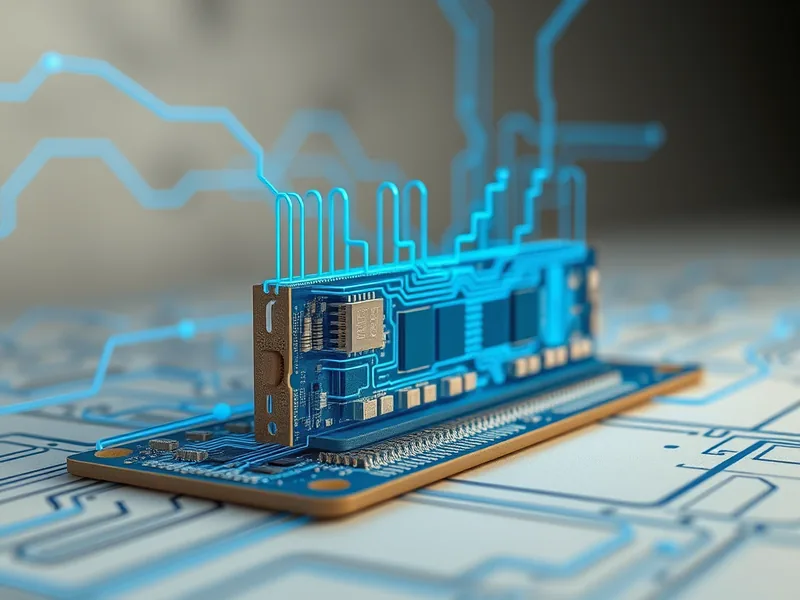
To get the most out of FlashAttention 4, consider the following:
FlashAttention 4 represents a significant step forward in optimizing deep learning models for the NVIDIA Blackwell architecture. By addressing compute and memory bottlenecks, it enables faster training times, lower memory footprints, and improved scalability. For practitioners looking to push the boundaries of what's possible with deep learning, this is an exciting development that can have a real impact on your projects.
Tags
Original Sources
About the author
Kai built ML infrastructure at a Bay Area startup before developing an obsession with transformer architectures and inference optimisation that eventually pulled him out of product work entirely. A stint at a compute research lab sharpened his instinct for what actually matters in a model release versus what is marketing. He writes from the inside — from the perspective of someone who has debugged the systems he is describing at three in the morning. He is allergic to hype and instinctively drawn to the unglamorous plumbing questions that everyone else skips over.
More from The Engineer →This Week's Edition
23 January 2026
29 articles
Related Articles
Related Articles
More Stories
© 2026 Cedar & Bloom. All rights reserved.