The Drum · Weekly AI news, freeSubscribe →

Share
RENASYS TOUCH™ from Smith+Nephew tackles the痛点 of traditional negative pressure wound therapy by ensuring consistent treatment and smooth integration into daily healthcare operations, backed by decades of expertise.
Effective wound management is more than just applying negative pressure; it requires a thoughtful, patient-centric approach that ensures consistent therapy and integrates seamlessly into clinical workflows. The RENASYS TOUCH™ System from Smith+Nephew exemplifies this philosophy by combining over 170 years of wound care expertise with cutting-edge engineering to address the real-world challenges faced in negative pressure wound therapy (NPWT).
Traditional NPWT systems often struggle with maintaining consistent pressure, managing leaks, and integrating into clinical routines. These issues can lead to suboptimal patient outcomes and increased workload for healthcare providers. The RENASYS TOUCH™ System overcomes these barriers through a series of advanced features designed to enhance patient comfort, ensure reliable pressure delivery, streamline clinical workflows, and deliver proven clinical outcomes.
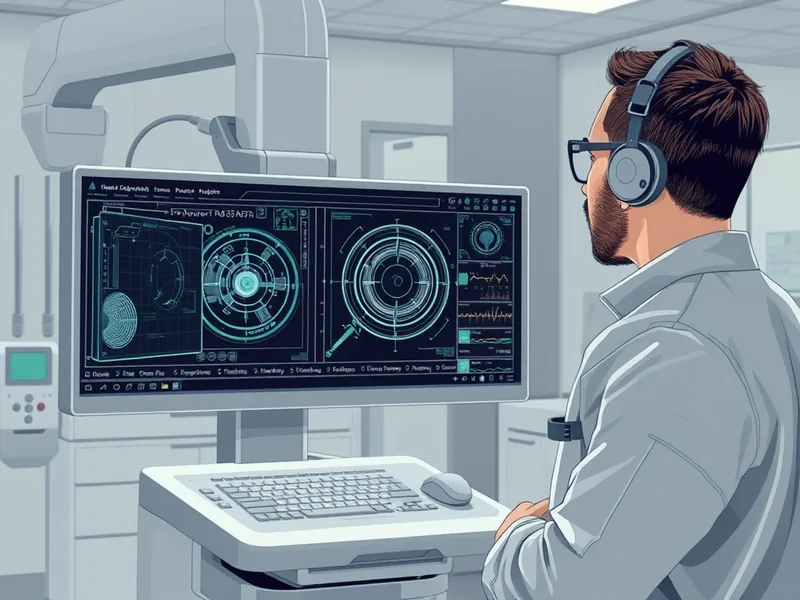
The RENASYS TOUCH™ System from Smith+Nephew represents a significant advancement in NPWT by addressing the key challenges faced by both patients and healthcare providers. Here are the main takeaways:
By integrating these features into a cohesive and user-friendly design, the RENASYS TOUCH™ System sets a new standard in NPWT, driving better outcomes for both patients and providers. Whether you are a healthcare professional looking to improve your clinical practices or a patient seeking more effective wound care, the RENASYS TOUCH™ System offers a compelling solution backed by evidence and innovation.
Tags
Original Sources
Intentional design of RENASYS TOUCH™ Negative Pressure Wound Therapy: engineering patient outcomes, Free Smith + Nephew White Paper
↗ https://fh-resources.fiercehealthcare.com/free/w_defa10035?pk=HC-WP-SmithNephew-012626-listing
About the author
Kai built ML infrastructure at a Bay Area startup before developing an obsession with transformer architectures and inference optimisation that eventually pulled him out of product work entirely. A stint at a compute research lab sharpened his instinct for what actually matters in a model release versus what is marketing. He writes from the inside — from the perspective of someone who has debugged the systems he is describing at three in the morning. He is allergic to hype and instinctively drawn to the unglamorous plumbing questions that everyone else skips over.
More from The Engineer →This Week's Edition
7 May 2026
29 articles
Related Articles
Related Articles
More Stories
© 2026 Cedar & Bloom. All rights reserved.