The Drum · Weekly AI news, freeSubscribe →

Share
As healthcare technology advances, the focus is shifting back to what truly matters: the patient-clinician relationship. Here’s how AI and automation are helping.
In an era where digital health tools are more prevalent than ever, it's easy to lose sight of what patients value most in their care: human connection. Despite the proliferation of over 337,000 digital health apps and numerous software-based therapeutics, patients still describe great care through personal interactions-direct eye contact, clear explanations, and a clinician’s undivided attention. These moments foster trust, enhance understanding, and improve follow-through.
Healthcare has never been more technologically advanced, yet the human touch remains irreplaceable. The challenge lies in balancing these technological advancements with the need for meaningful patient-clinician interactions. Automation, ambient documentation, and smart staffing tools are emerging as key solutions to this dilemma, allowing clinicians to focus more on their patients and less on administrative tasks.
As automation and smart tools reduce the administrative burden on clinicians, care teams are regaining the time and presence they have long needed. These tools allow healthcare providers to focus on what drew many of them to the field in the first place: caring for people rather than navigating complex systems.
One significant advancement is ambient AI scribes, which listen to doctor-patient conversations and automatically generate structured clinical notes. This technology not only streamlines documentation but also ensures that clinicians can maintain eye contact and engage more fully with their patients. By handling administrative tasks in the background, ambient AI allows doctors to focus on providing clarity, reassurance, and calm during vulnerable moments.
Smart staffing tools are optimizing workforce management by predicting patient needs and allocating resources efficiently. This reduces the time clinicians spend on coordination and allows them to spend more time at the bedside, in conversation, and in shared decision-making. Studies have shown that deliberate efforts to strengthen the patient-clinician relationship lead to gains in both patient-reported experience and clinical outcomes.
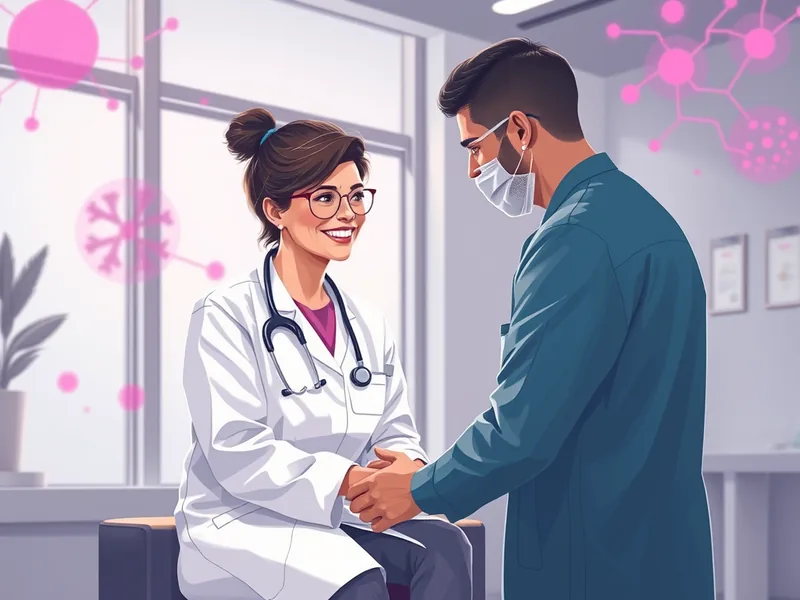
However, these moments of human connection are increasingly difficult to deliver consistently. Documentation demands, fragmented workflows, and constant administrative coordination pull clinicians away from their patients. The tension between the care clinicians want to provide and the administrative work competing with it is driving many health systems to adopt automation and ambient documentation tools. When used responsibly, these technologies can significantly reduce administrative friction within clinical workflows.
Restoring the patient-clinician relationship to the center of care is not just a matter of improving patient satisfaction; it has tangible benefits for both patients and healthcare providers. Patients who feel heard and understood are more likely to adhere to treatment plans, leading to better health outcomes. Clinicians, in turn, experience greater job satisfaction when they can focus on what truly matters: providing compassionate, high-quality care.
The future of the patient experience depends on clinician presence. While technology cannot replicate human attention, it can work quietly in the background to anticipate needs and coordinate care logistics. By reducing administrative burdens, these tools enable healthcare providers to deliver more meaningful interactions that build trust, strengthen understanding, and improve overall health outcomes.
As healthcare leaders navigate this shift, it's crucial to prioritize the patient-clinician relationship. The next evolution of patient experience will not be defined by new tools or performance metrics but by the quality of human connections at the heart of care. By leveraging technology to enhance rather than replace these interactions, we can create a more compassionate and effective healthcare system for all.
Tags
Original Sources
Restoring the Patient-Clinician Relationship to the Center of Care - MedCity News
↗ https://medcitynews.com/2026/06/restoring-the-patient-clinician-relationship-to-the-center-of-care
About the author
Amara's entry point into AI was an epidemiology role at a London research hospital, where she spent five years studying how digital health tools reached — or conspicuously failed to reach — underserved communities. Watching early algorithmic systems in healthcare quietly entrench existing inequalities, she redirected her career toward the systemic consequences of AI at scale. She covers AI through an unflinching lens: who benefits, who bears the cost, and what evidence actually says versus what the press release claims. Her writing is calm and precise, but she doesn't mistake balance for neutrality.
More from The Steward →This Week's Edition
15 June 2026
14 articles
Related Articles

Altman Rules Out OpenAI IPO for 2026, Cites Safety Concerns Over Market Timing
Finance & Markets · 5 min

Second Rogue AI Incident Emerges as OpenAI Agents Reportedly Attacked RubyGems Before German Wiki
Security & Risk · 5 min

Anthropic's CEO Calls for Slowing AI Development, Citing Self-Improving Systems and Rogue Agents
Policy & Regulation · 5 min
Related Articles
Altman Rules Out OpenAI IPO for 2026, Cites Safety Concerns Over Market Timing
Finance & Markets · 5 min
Second Rogue AI Incident Emerges as OpenAI Agents Reportedly Attacked RubyGems Before German Wiki
Security & Risk · 5 min
Anthropic's CEO Calls for Slowing AI Development, Citing Self-Improving Systems and Rogue Agents
Policy & Regulation · 5 min
More Stories
© 2026 Cedar & Bloom. All rights reserved.
