The Drum · Weekly AI news, freeSubscribe →

Share
As preventable harm persists in healthcare, near-miss reporting offers a critical early warning system. Here’s why it’s time for a proactive approach.
In the world of healthcare, patient safety remains a paramount concern. Despite significant advancements over the past few decades-reducing hospital-acquired infections, pressure ulcers, and falls-preventable harm continues to affect one in ten patients, with more than half of these incidents being avoidable. The reasons behind this persistent issue are multifaceted, including gaps in safety culture, provider fatigue, fragmented data, and a healthcare system that is increasingly complex and technologically driven.
Healthcare organizations often find themselves reacting to adverse events rather than preventing them. However, there is a powerful tool that can change this dynamic: near-miss reporting. Near misses are incidents that could have resulted in harm but did not due to timely intervention or sheer luck. These events serve as crucial early warning signals and offer invaluable insights into systemic vulnerabilities.
Identifying and analyzing near-miss data can be a game-changer for healthcare systems. Unlike adverse events, which often require urgent responses and may already have caused harm, near misses provide a window of opportunity to address potential issues before they escalate. Research suggests that for every adverse event, there are between three and 300 near misses. This means that by focusing on near-miss reporting, healthcare organizations can proactively identify and mitigate risks.
A near miss could be as simple as a communication error leading to unclear instructions or a nurse catching an incorrect medication dosage before administration. These incidents often highlight systemic issues such as poor communication protocols, inadequate training, or flawed workflows. By analyzing these events, leaders can implement targeted interventions to improve patient safety.
Despite their value, near-miss reports remain significantly underreported. A culture of fear and blame, coupled with a lack of strong safety culture, siloed data systems, and regulatory emphasis on adverse event reporting, contribute to this underreporting. Ideally, near-miss events should make up about 44% of total safety reports within an organization. Achieving this requires a shift in mindset and the implementation of robust reporting mechanisms.
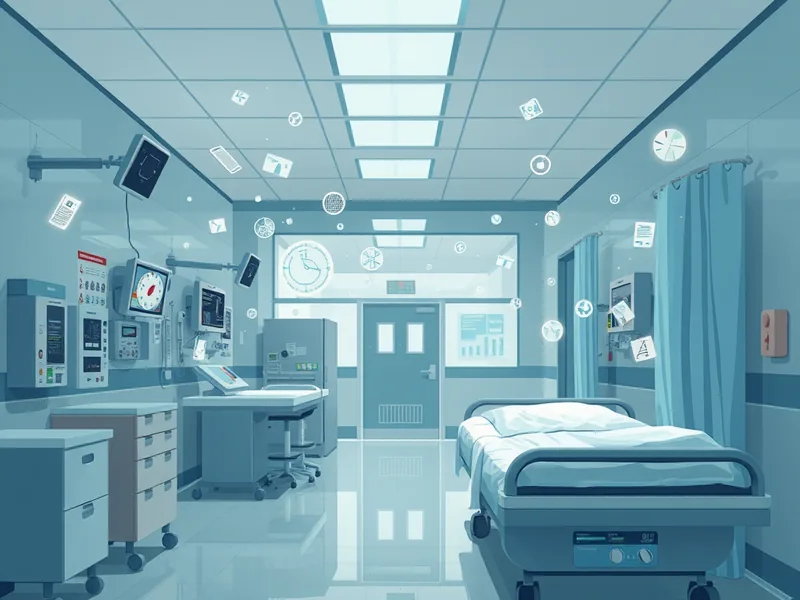
One effective approach is to integrate near-miss reporting into existing electronic health record (EHR) systems. Enterprise EHR software can enhance scalability, interoperability, and governance, making it easier for healthcare providers to report and analyze near misses. By leveraging AI and data analytics, these systems can identify patterns and trends that might otherwise go unnoticed, allowing for more informed decision-making.
The underreporting of near misses has real-world consequences. Each unreported incident is a missed opportunity to prevent future harm. For patients, this means a higher risk of medical errors, which can lead to severe complications or even death. For healthcare providers, it means working in an environment where preventable incidents are not adequately addressed, leading to increased stress and burnout.
Dr. Michael Schlosser, a leading expert in healthcare innovation, emphasizes the importance of creating a culture of transparency and trust. "Digital tools and AI have the potential to revolutionize healthcare," he says. "But they must be used as means to improve patient safety and support healthcare workers, not as punitive measures."
The future of healthcare lies in leveraging technology to enhance safety systems. By fostering a culture that values near-miss reporting, healthcare organizations can build more resilient and responsive systems. This shift will not only save lives but also improve the overall quality of care and reduce the burden on healthcare providers.
In an industry where every patient interaction matters, near-miss reporting is a critical component of a comprehensive safety strategy. It’s time for healthcare leaders to prioritize this approach and ensure that early warning signals are heard and acted upon. The well-being of patients and the integrity of the healthcare system depend on it.
Tags
Original Sources
From Close Calls to Safer Systems: Rethinking Near Miss Reporting in Healthcare - MedCity News
↗ https://medcitynews.com/2026/05/from-close-calls-to-safer-systems-rethinking-near-miss-reporting-in-healthcare
About the author
Amara's entry point into AI was an epidemiology role at a London research hospital, where she spent five years studying how digital health tools reached — or conspicuously failed to reach — underserved communities. Watching early algorithmic systems in healthcare quietly entrench existing inequalities, she redirected her career toward the systemic consequences of AI at scale. She covers AI through an unflinching lens: who benefits, who bears the cost, and what evidence actually says versus what the press release claims. Her writing is calm and precise, but she doesn't mistake balance for neutrality.
More from The Steward →This Week's Edition
3 June 2026
29 articles
Related Articles

Seattle Children's Network Turns Data Trust Into Preventive Care Gains, With Lessons for Security Teams
Security & Risk · 6 min

Anthropic Gives Outside Safety Researchers the Same Access as Its Own Staff
Security & Risk · 5 min

Fitch Puts a Number on AI Risk: New Stress Test Flags Credit Exposure Across Four Sectors
Security & Risk · 5 min
Related Articles
Seattle Children's Network Turns Data Trust Into Preventive Care Gains, With Lessons for Security Teams
Security & Risk · 6 min
Anthropic Gives Outside Safety Researchers the Same Access as Its Own Staff
Security & Risk · 5 min
Fitch Puts a Number on AI Risk: New Stress Test Flags Credit Exposure Across Four Sectors
Security & Risk · 5 min
More Stories
© 2026 Cedar & Bloom. All rights reserved.
