The Drum · Weekly AI news, freeSubscribe →
Share
Altman’s reinstatement quells fears over OpenAI's future after a dramatic week that threatened the company’s stability and its position as a leader in AI innovation.
Sam Altman will return to his role as CEO of OpenAI, marking the end of a tumultuous five-day period that saw an attempted boardroom coup. Co-founder Greg Brockman, who resigned in protest of Altman’s firing, will also rejoin the company.
The rapid resolution of this leadership crisis is crucial for OpenAI's stability and future direction. The company, which has been at the forefront of AI innovation with products like ChatGPT, faced significant uncertainty following the abrupt dismissal of Altman on Friday. This swift return to the status quo sends a strong signal to investors, partners, and employees that the board is committed to maintaining continuity and driving forward the company's ambitious goals.
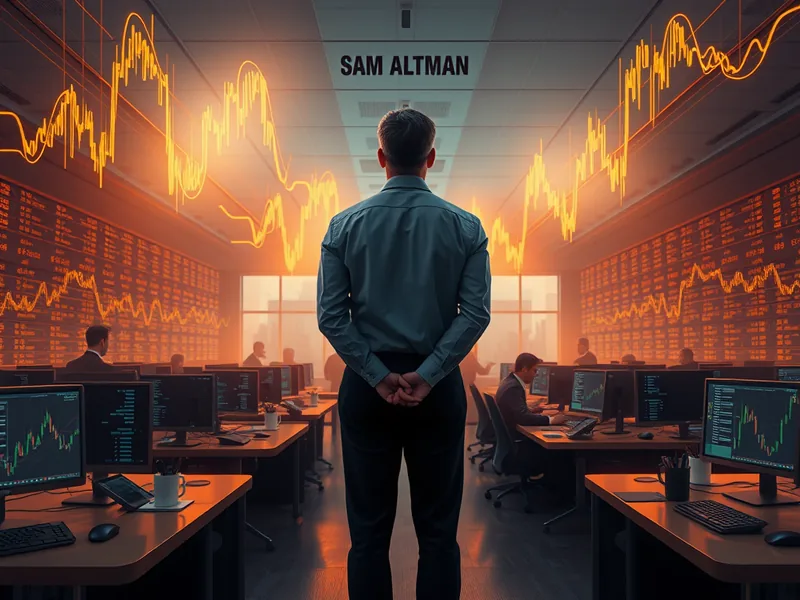
The crisis began on Friday when OpenAI's board fired Altman in what was described as an "agreement in principle" to address unspecified concerns. The move sent shockwaves through the tech industry, with many questioning the rationale behind such a sudden change. Brockman resigned in protest, further intensifying the internal and external scrutiny.
Late Tuesday, the company issued a statement confirming that Altman and Brockman would return. The new board members include:
Sam Altman’s return as CEO of OpenAI marks a significant turning point for the company. While the brief period of turmoil may have raised concerns about stability and governance, the swift resolution demonstrates the board's commitment to maintaining strong leadership and driving innovation in the AI space. Moving forward, OpenAI will need to address internal dynamics and market perceptions while continuing to pursue its ambitious goals.
Tags
Original Sources
About the author
Marcus began tracking AI's market implications in 2016, noticing AI-related patent filings accelerating ahead of earnings upgrades before most of the sell-side had caught on. A former fixed-income quantitative analyst, he spent two decades building models that priced risk across emerging markets before pivoting to cover the economic impact of AI full-time. His writing translates opaque technical developments into clear risk/reward terms — and he's rarely diplomatic about the gap between AI valuations and underlying fundamentals. He believes most market participants still underestimate AI's long-run deflationary effect on knowledge work.
More from The Analyst →This Week's Edition
22 November 2023
29 articles
Related Articles
Related Articles
More Stories
© 2026 Cedar & Bloom. All rights reserved.