The Drum · Weekly AI news, freeSubscribe →

Share
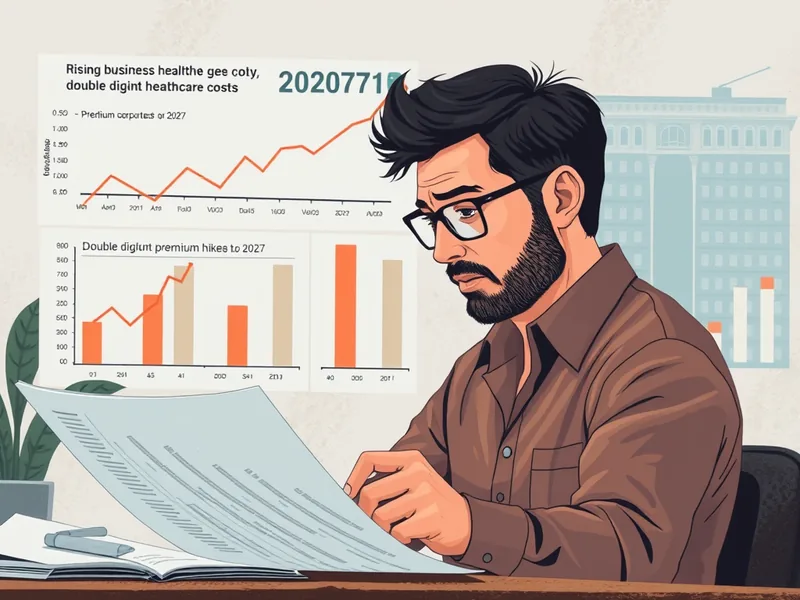
Rising healthcare costs, specialty drugs, and regulatory changes are pushing small group insurers to propose double-digit premium hikes for 2027, placing a significant burden on businesses with fewer than 50 employees.
Small group health insurers are proposing a median 14% increase in premiums for 2027, according to an analysis by KFF (Kaiser Family Foundation) and the Peterson Center on Healthcare. The report, which analyzed rate filings from 295 small group insurers across all 50 states and the District of Columbia, highlights a concerning trend that could impact the financial stability of small businesses.
The findings reveal that 59% of these insurers are proposing rate increases between 10% and 20%, while about 15% are seeking hikes exceeding 20%. Only 26% are proposing increases of less than 10%. These proposed rate changes come at a time when small businesses are already grappling with economic uncertainties and rising operational costs.
The analysis delves into the factors driving these premium hikes. Based on a review of 82 insurer filings from 14 states and the District of Columbia, rising healthcare costs emerge as the primary culprit. The median insurer anticipates a 10.8% increase in healthcare costs for 2027, driven by higher prices and increased utilization.
Blue Cross and Blue Shield of Massachusetts HMO Blue, in its filing, noted: "Costs for medical care and medications for our members have escalated rapidly, and spending is now growing at the fastest rate in more than a decade. The surge in spending is putting a heavy burden on our employer customers and members who are struggling to keep up with rising costs."
Specialty drugs, particularly those used to treat chronic conditions, are also contributing significantly to premium increases. These medications often lack generic or lower-cost alternatives, making them expensive for insurers and consumers alike. GLP-1 medications, which are commonly prescribed for diabetes management, are cited as a key driver of these increases.
The rising cost and prevalence of mental health and substance use disorder treatments are adding to the financial strain. The No Surprises Act, designed to protect patients from surprise medical bills, is also cited by some insurers as a factor in the proposed rate hikes. This act has led to increased administrative costs for insurers, which they are passing on to employers and employees.
The proposed 14% premium increase for small group health insurance plans in 2027 underscores the ongoing challenges facing both insurers and small businesses. For insurers, rising healthcare costs and the lack of cost-effective alternatives for specialty drugs present significant financial risks. For small businesses, these increases could lead to difficult decisions regarding employee benefits and overall business sustainability.
Employers may need to explore alternative solutions, such as self-insurance or high-deductible health plans, to manage these rising costs. Policymakers will also play a crucial role in addressing the underlying drivers of healthcare inflation and ensuring that small businesses can continue to provide essential coverage to their employees.
As the 2027 rate filings are reviewed by state regulators, the final outcomes will have far-reaching implications for the small business community and the broader healthcare landscape. Investors should closely monitor these developments, as they could impact the financial performance of health insurance companies and related sectors.
Tags
Original Sources
Small Businesses Could Face Double-Digit Premium Hikes in 2027 - MedCity News
↗ https://medcitynews.com/2026/08/small-businesses-could-face-double-digit-premium-hikes-in-2027
About the author
Marcus began tracking AI's market implications in 2016, noticing AI-related patent filings accelerating ahead of earnings upgrades before most of the sell-side had caught on. A former fixed-income quantitative analyst, he spent two decades building models that priced risk across emerging markets before pivoting to cover the economic impact of AI full-time. His writing translates opaque technical developments into clear risk/reward terms — and he's rarely diplomatic about the gap between AI valuations and underlying fundamentals. He believes most market participants still underestimate AI's long-run deflationary effect on knowledge work.
More from The Analyst →This Week's Edition
17 August 2026
113 articles
Related Articles

FDA Panel Endorses Replimune’s Melanoma Drug; Novo Nordisk Faces Setback
Finance & Markets · 3 min

Grove AI Transforms Clinical Trial Recruitment with Voice Technology
Finance & Markets · 3 min

Throne Science Raises $10M to Transform Gut Health Monitoring with AI-Powered Smart Toilets
Finance & Markets · 4 min
Related Articles
FDA Panel Endorses Replimune’s Melanoma Drug; Novo Nordisk Faces Setback
Finance & Markets · 3 min
Grove AI Transforms Clinical Trial Recruitment with Voice Technology
Finance & Markets · 3 min
Throne Science Raises $10M to Transform Gut Health Monitoring with AI-Powered Smart Toilets
Finance & Markets · 4 min
More Stories
© 2026 Cedar & Bloom. All rights reserved.
