The Drum · Weekly AI news, freeSubscribe →

Share
A new generation of lidar sensors is making its way into smartphones, enabling advanced computer vision applications like seeing around corners. Here’s how it works and why it matters.
Lidar technology has long been a staple in autonomous vehicles and robotics, but recent advancements have brought this powerful sensor to consumer devices. The latest smartphone-grade lidar sensors are not only more affordable but also capable of performing complex tasks, such as corner detection, which can significantly enhance computer vision applications.
The key technical changes in lidar technology for smartphones include:
These improvements are crucial for practical applications like augmented reality (AR), 3D scanning, and, notably, corner detection. Corner detection involves identifying the edges and corners of objects in a scene, which is essential for tasks such as object recognition and navigation.
Lidar works by emitting pulses of light and measuring the time it takes for these pulses to bounce back after hitting an object. This process generates a 3D point cloud, which can be processed by computer vision algorithms to extract meaningful information.
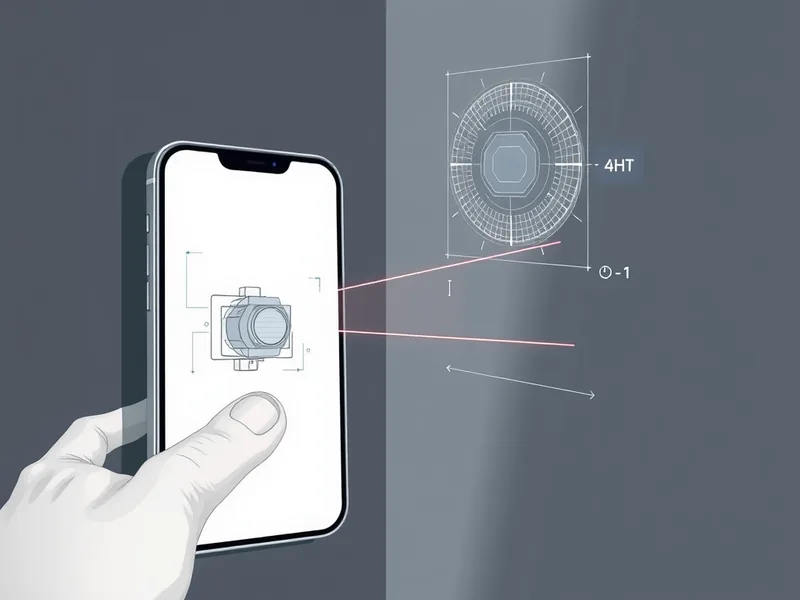
The integration of lidar with computer vision has several advantages:
To understand how smartphone-grade lidar enables corner detection, let's dive into the architecture and implementation details:
The integration of smartphone-grade lidar into consumer devices marks a significant step forward in computer vision technology. Here are the key takeaways:
As lidar technology continues to evolve, we can expect even more innovative applications in consumer electronics. For software developers and engineers, this opens up new possibilities for creating advanced computer vision systems that can operate on mobile devices.
Tags
Original Sources
Can Your Phone’s Lidar Sensors See Around Corners?
↗ https://spectrum.ieee.org/smartphone-grade-lidar
About the author
Kai built ML infrastructure at a Bay Area startup before developing an obsession with transformer architectures and inference optimisation that eventually pulled him out of product work entirely. A stint at a compute research lab sharpened his instinct for what actually matters in a model release versus what is marketing. He writes from the inside — from the perspective of someone who has debugged the systems he is describing at three in the morning. He is allergic to hype and instinctively drawn to the unglamorous plumbing questions that everyone else skips over.
More from The Engineer →This Week's Edition
22 May 2026
29 articles
Related Articles
Related Articles
More Stories
© 2026 Cedar & Bloom. All rights reserved.