The Drum · Weekly AI news, freeSubscribe →

Share
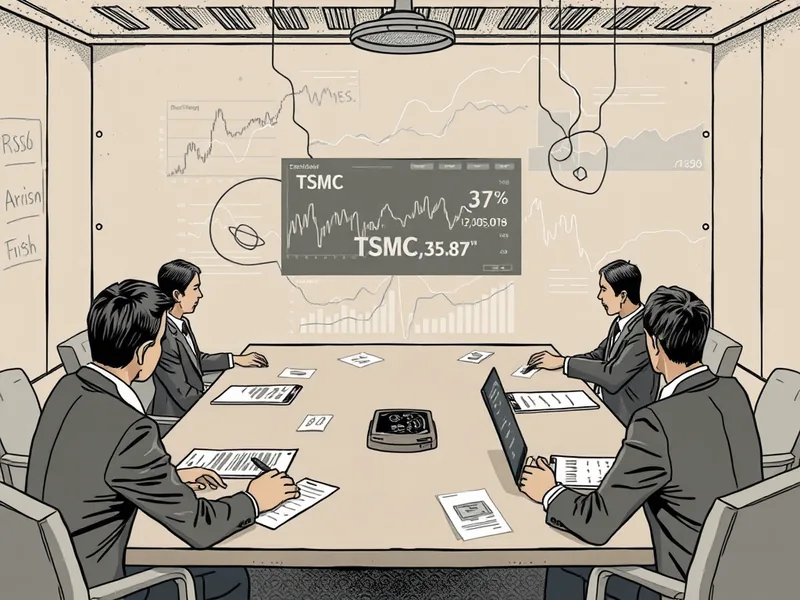
SoftBank's pivot towards TSMC signals a dramatic shift in its AI hardware ambitions, potentially undermining its existing partnership with Intel and reshaping the competitive landscape of the tech industry.
SoftBank Group is reportedly reevaluating its ambitious plans to develop advanced artificial intelligence (AI) processors with Intel. According to insiders, the Japanese conglomerate is now considering a partnership with Taiwan Semiconductor Manufacturing Company (TSMC), one of the world's leading semiconductor foundries. This shift in strategy could have significant implications for SoftBank’s technology investments and the broader AI hardware market.
The potential move away from Intel highlights the intense competition and rapid evolution within the AI processor sector. TSMC, known for its cutting-edge manufacturing capabilities and high-yield production processes, has become a preferred partner for many tech giants looking to develop custom chips. SoftBank’s decision could signal a broader trend of companies seeking more flexible and technologically advanced foundry options.
For investors, this development underscores the importance of staying informed about technological shifts in semiconductor partnerships. The AI processor market is expected to grow from $10.8 billion in 2021 to $34.7 billion by 2026, according to a report by MarketsandMarkets. SoftBank’s pivot could position it more favorably in this expanding market.
Despite the potential benefits, there are several risks associated with shifting from Intel to TSMC:
Cost and Capital Expenditure: Transitioning to a new manufacturing partner can be costly, requiring significant upfront investments in design and production. SoftBank will need to weigh these expenses against the long-term benefits of partnering with TSMC.
Supply Chain Disruptions: The global semiconductor shortage has highlighted the vulnerabilities in supply chains. Relying on a single foundry, even one as robust as TSMC, could expose SoftBank to supply chain risks and production delays.
Partnering with TSMC presents several strategic advantages for SoftBank:
Advanced Manufacturing Capabilities: TSMC’s 5nm and upcoming 3nm manufacturing processes are at the forefront of semiconductor technology. This could enable SoftBank to produce more powerful and efficient AI processors, giving it a competitive edge in the market.
Flexibility and Customization: TSMC is known for its ability to accommodate custom chip designs, which aligns well with SoftBank’s goal of developing specialized AI hardware. This flexibility could accelerate product development cycles and reduce time-to-market.
Global Reach: TSMC’s extensive global customer base and strong relationships with leading tech companies can provide SoftBank with valuable market insights and potential collaboration opportunities.
SoftBank’s consideration of a partnership with TSMC marks a critical juncture in its AI processor development strategy. While the move comes with significant risks, it also presents substantial opportunities for technological advancement and market expansion. Investors and industry observers will be closely watching how this situation unfolds, as it could set a precedent for future semiconductor collaborations.
Tags
Original Sources
About the author
Marcus began tracking AI's market implications in 2016, noticing AI-related patent filings accelerating ahead of earnings upgrades before most of the sell-side had caught on. A former fixed-income quantitative analyst, he spent two decades building models that priced risk across emerging markets before pivoting to cover the economic impact of AI full-time. His writing translates opaque technical developments into clear risk/reward terms — and he's rarely diplomatic about the gap between AI valuations and underlying fundamentals. He believes most market participants still underestimate AI's long-run deflationary effect on knowledge work.
More from The Analyst →This Week's Edition
16 August 2024
29 articles
Related Articles
Related Articles
More Stories
© 2026 Cedar & Bloom. All rights reserved.