The Drum · Weekly AI news, freeSubscribe →
Share
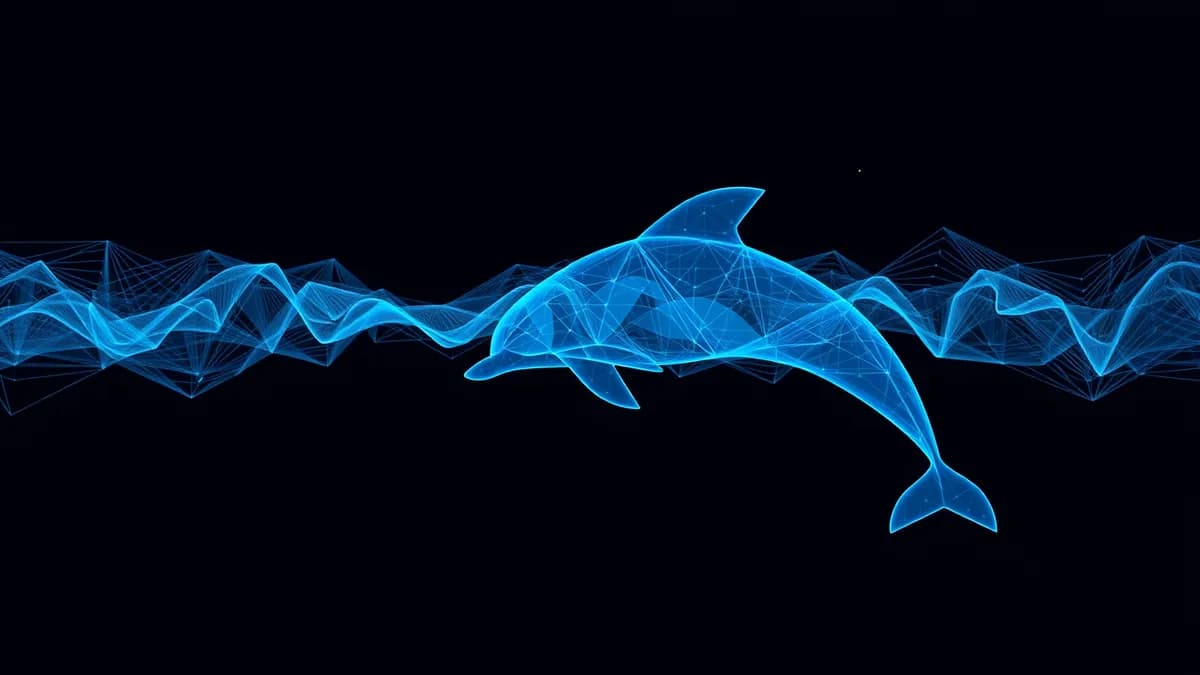
Sonair borrows from dolphin echolocation to develop an affordable, energy-efficient ultrasound system for autonomous vehicles, challenging lidar's dominance in 3D vision technology.
Sonair, a Norwegian startup, is taking a novel approach to 3D computer vision by drawing inspiration from dolphins. Instead of relying on traditional lidar technology, which can be expensive and power-hungry, Sonair is leveraging ultrasound to create an efficient and cost-effective solution for autonomous systems.
Sonair's innovation lies in its use of ultrasound for 3D mapping and object detection. Ultrasound has traditionally been used in medical imaging and parking sensors due to its non-invasive nature and low power consumption. However, Sonair is pushing the boundaries by applying it to more complex tasks typically handled by lidar.
Sonair's system works by emitting high-frequency sound waves and measuring the time it takes for these waves to bounce back after hitting an object. This data is then processed to create a 3D map of the environment. The key technical challenges and solutions include:
Signal Processing:
Data Fusion:
Hardware:
Software:
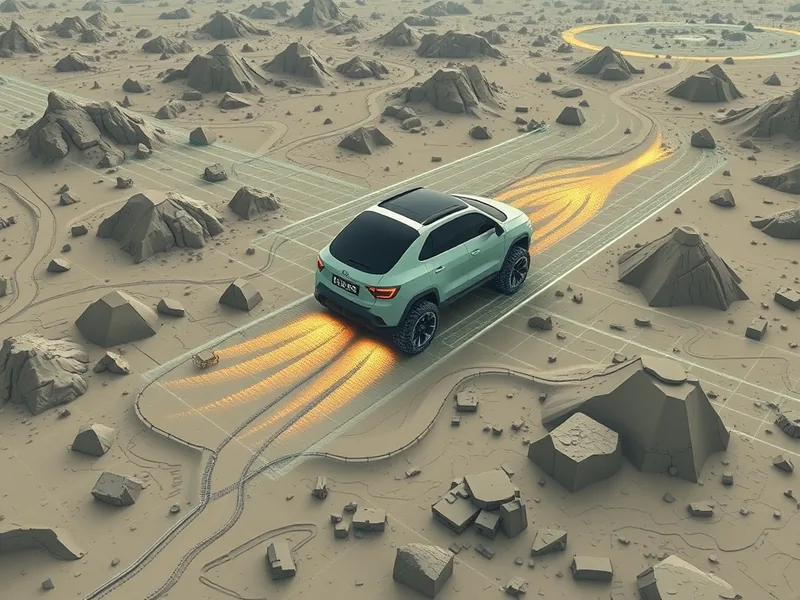
Early tests have shown promising results:
Sonair's technology has a wide range of potential applications:
Knut Sandven, Sonair's founder and CEO, believes that ultrasound-based 3D vision will play a significant role in the future of autonomous systems. "By combining the efficiency and cost-effectiveness of ultrasound with advanced signal processing, we can create solutions that are not only more accessible but also more sustainable," he said.
Sonair's approach to 3D computer vision using ultrasound is a promising alternative to lidar. With its energy efficiency, cost-effectiveness, and potential for real-time operation, it could open up new possibilities in various industries where precise 3D mapping is essential.
Tags
Original Sources
About the author
Kai built ML infrastructure at a Bay Area startup before developing an obsession with transformer architectures and inference optimisation that eventually pulled him out of product work entirely. A stint at a compute research lab sharpened his instinct for what actually matters in a model release versus what is marketing. He writes from the inside — from the perspective of someone who has debugged the systems he is describing at three in the morning. He is allergic to hype and instinctively drawn to the unglamorous plumbing questions that everyone else skips over.
More from The Engineer →This Week's Edition
10 October 2024
29 articles
Related Articles
Related Articles
More Stories
© 2026 Cedar & Bloom. All rights reserved.