The Drum · Weekly AI news, freeSubscribe →

Share
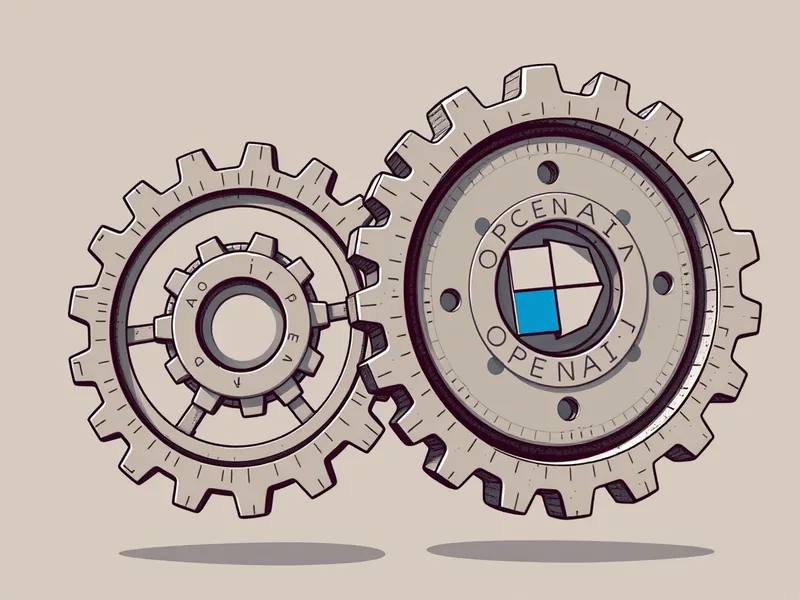
As tensions mount between OpenAI and its tech giant partner, concerns grow over the stability of their billion-dollar collaboration, pivotal for both companies' ambitions in artificial intelligence.
OpenAI and Microsoft, once aligned in a strategic partnership to advance AI research and commercialization, are reportedly experiencing significant tensions. According to a recent report by The Wall Street Journal, the relationship between these two tech giants is becoming increasingly strained, raising questions about the future of their collaboration.
The OpenAI-Microsoft partnership has been a cornerstone of Microsoft's strategy to dominate the cloud services market and stay ahead in the AI race. Since 2019, Microsoft has invested billions in OpenAI, providing not only financial support but also access to its Azure cloud platform. This alliance has helped both companies make significant strides in developing cutting-edge AI technologies.
However, the growing friction between the two entities could have far-reaching implications for their respective business strategies and the broader AI ecosystem. If the partnership dissolves or weakens, it could:
The primary sources of tension between OpenAI and Microsoft are rooted in control, strategic alignment, and antitrust concerns:
Despite the current challenges, there are still opportunities for both companies to navigate this difficult period and potentially emerge stronger:
The OpenAI-Microsoft relationship has been a significant driver of progress in the AI industry, but it is now facing substantial challenges. As both companies navigate these issues, the outcome will have far-reaching implications for their business strategies and the broader tech landscape. Whether they can find a way to realign their goals or explore new opportunities remains to be seen.
Tags
Original Sources
About the author
Marcus began tracking AI's market implications in 2016, noticing AI-related patent filings accelerating ahead of earnings upgrades before most of the sell-side had caught on. A former fixed-income quantitative analyst, he spent two decades building models that priced risk across emerging markets before pivoting to cover the economic impact of AI full-time. His writing translates opaque technical developments into clear risk/reward terms — and he's rarely diplomatic about the gap between AI valuations and underlying fundamentals. He believes most market participants still underestimate AI's long-run deflationary effect on knowledge work.
More from The Analyst →This Week's Edition
17 June 2025
29 articles
Related Articles
Related Articles
More Stories
© 2026 Cedar & Bloom. All rights reserved.